Trump blames migrants for France, Italy unrest; Paris disputes the claim
Synopsis
Trump pinned Europe's street violence on immigration — but French officials tell a different story. With over 2,300 arrests in France and protests rooted in school conditions and the cost of living, the gap between Trump's framing and Paris's own account is stark, and the intervention lands just weeks before US midterm elections.
Key Takeaways
US President Donald Trump on 20 October blamed immigration for unrest in France and Italy , speaking at the White House .
Trump quoted his advice to French President Macron : 'I told Emmanuel (Macron), you should close up your borders.' French authorities reported more than 2,300 people taken into custody over the weekend amid widespread violence.
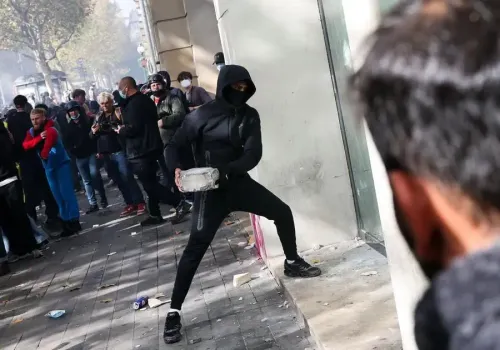
The historic town hall in Limoges was among the buildings damaged; vehicles were set ablaze and businesses attacked across several cities.
French officials have not attributed the protests or violence to immigration; Macron distinguished violent actors from legitimate demonstrators.
Prime Minister Sébastien Lecornu introduced strengthened public-order measures, including limited local restrictions to prevent further rioting.
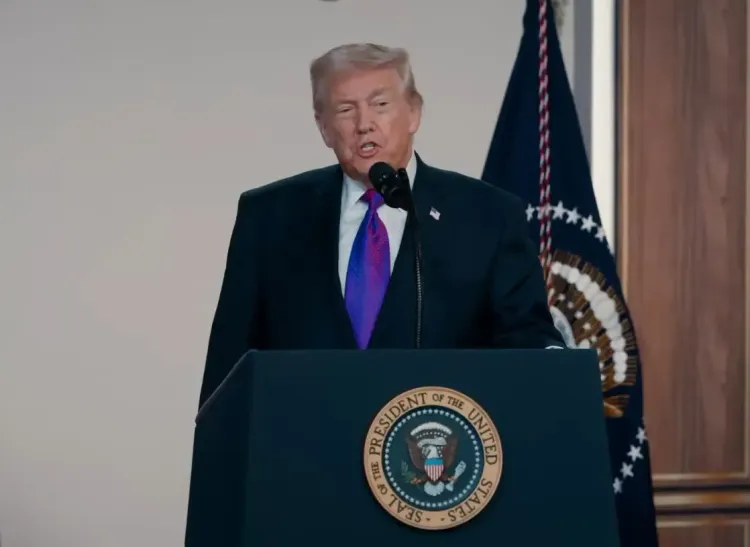
US President Donald Trump on Monday, 20 October blamed immigration for the violence and social unrest sweeping parts of Europe, warning that France and Italy face further instability unless their governments impose tighter border controls. The remarks, made to reporters at the White House before Trump departed for a campaign rally in Kansas, came even as French authorities attributed much of the recent violence to radical groups — not migrants — amid protests rooted in deteriorating school conditions, rising living costs and declining purchasing power.
What Trump Said
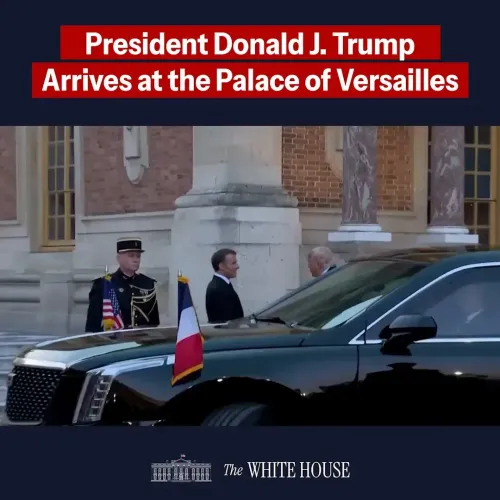
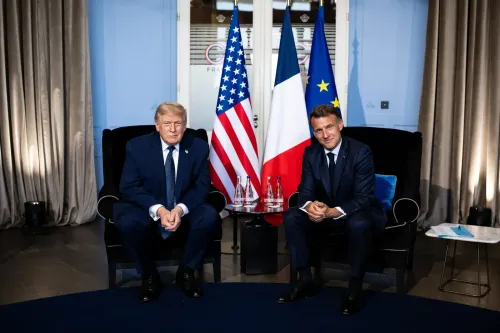
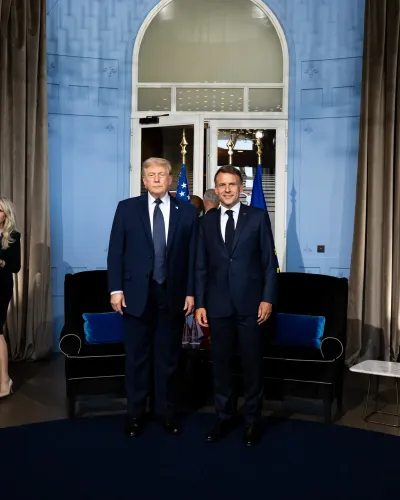
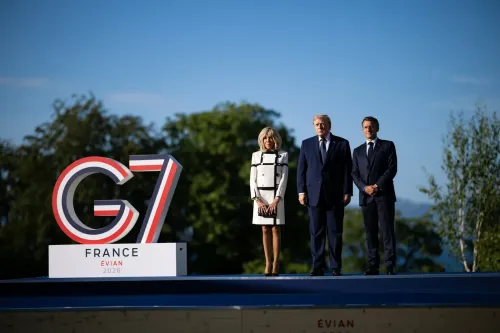
Trump directly invoked his conversations with French President Emmanuel Macron, claiming he had counselled the French leader to shut borders years ago. 'I told Emmanuel (Macron), you should close up your borders,' Trump told reporters, asserting that large-scale immigration had been a strategic mistake.
He extended the criticism to Italy, linking protests in both countries to immigration and arguing that Europe faces a broader threat to political and social stability. In a separate social media post on Monday, Trump again urged France to close its borders, framing the unrest as the direct consequence of the country's immigration policies.
The Reality on the Ground in France
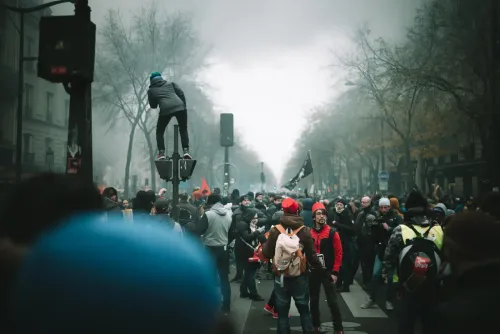
The violence Trump cited erupted across several French cities over the weekend, with vehicles set ablaze, businesses damaged and public buildings attacked. The unrest included serious damage to the historic town hall in Limoges, where masked groups reportedly set fires. French authorities reported more than 2,300 people taken into custody over the weekend as police moved to contain the disturbances.
Critically, French officials have not established that immigration was responsible for organising the protests or that migrants were the principal perpetrators of the violence. President Macron condemned the attacks but drew a clear distinction between those responsible for violence and demonstrators with legitimate grievances. French Prime Minister Sébastien Lecornu moved to strengthen public-order measures, including limited local restrictions aimed at preventing further rioting and looting.
The demonstrations originated among students and education groups before expanding to include trade unions and broader civil society organisations protesting school conditions and the cost of living — not immigration-related issues.
The Geopolitical and Domestic Backdrop
Trump's remarks reflect a longstanding argument that European governments have admitted large numbers of migrants without adequately weighing consequences for national identity, public services and social cohesion. He has repeatedly criticised European immigration policies and urged allied governments to adopt stricter border enforcement, presenting his own administration's immigration restrictions as a countermodel.
The comments arrive as immigration remains a frontline issue in the United States ahead of the 3 November congressional midterm elections. Trump used the French unrest to draw a sharp contrast between his border policies and those of his Democratic opponents, amplifying a narrative that is central to his party's midterm messaging.
Europe's Varied Policy Landscape
European immigration policies differ significantly across member states, with governments taking divergent approaches to asylum, labour migration, border controls and integration. Immigration has become an increasingly prominent fault line in European politics, particularly amid economic pressures and debates over public services. The disconnect between Trump's framing and the stated positions of French officials underlines the widening differences between Washington and several European capitals over migration, national sovereignty and the political management of social unrest.
With French authorities still investigating the violence and Macron's government defending its own reading of events, Trump's intervention is likely to deepen diplomatic friction even as European governments navigate their own complex domestic debates.
Point of View
And the protests' origins — student grievances over schools and the cost of living — sit far outside the immigration frame. That gap matters: by importing a domestic US midterm narrative onto a European crisis with different causes, Trump risks complicating transatlantic relations at a moment when Western unity carries real strategic weight. The episode also illustrates a recurring pattern — major social unrest in allied democracies is rapidly absorbed into the US partisan cycle, regardless of local evidence.
NationPress
20 Oct 2026
Frequently Asked Questions
Why did Trump blame immigration for the unrest in France and Italy?
Trump argued that European governments had failed to protect their borders and were now facing the consequences of their immigration policies, linking the protests and violence in France and Italy directly to large-scale migration. He cited past conversations with French President Macron in which he reportedly urged France to close its borders.
What actually caused the protests in France?
The demonstrations in France began among students and education groups protesting deteriorating school conditions, rising living costs and declining purchasing power, before expanding to include trade unions and broader civil society. French authorities have not established that immigration was the cause of the protests or that migrants were the principal organisers of the violence.
How serious was the violence in France?
Violence erupted in several French cities over the weekend, with vehicles set ablaze, businesses damaged and public buildings attacked. The historic town hall in Limoges was seriously damaged by masked groups who reportedly set fires, and French authorities reported more than 2,300 people taken into custody.
How did French officials respond to the unrest?
President Macron condemned the attacks but distinguished those responsible for violence from demonstrators with legitimate grievances. Prime Minister Sébastien Lecornu moved to strengthen public-order measures, including limited local restrictions intended to prevent further rioting and looting.
Why did Trump raise Europe's unrest at this particular moment?
The comments came ahead of the 3 November US congressional midterm elections, in which immigration is a central issue. Trump used the French unrest to contrast his administration's border policies with those of his Democratic opponents, amplifying a narrative that is core to his party's midterm campaign messaging.