Trump urges Federal Reserve to cut rates as US economy expands
Synopsis
Days before a scheduled Federal Reserve meeting, Trump publicly demanded the world's lowest interest rates for the US, blamed Biden for inherited inflation, and suggested internal Fed board politics are blocking rate cuts — a striking breach of the convention that presidents stay clear of central bank decisions.
Key Takeaways
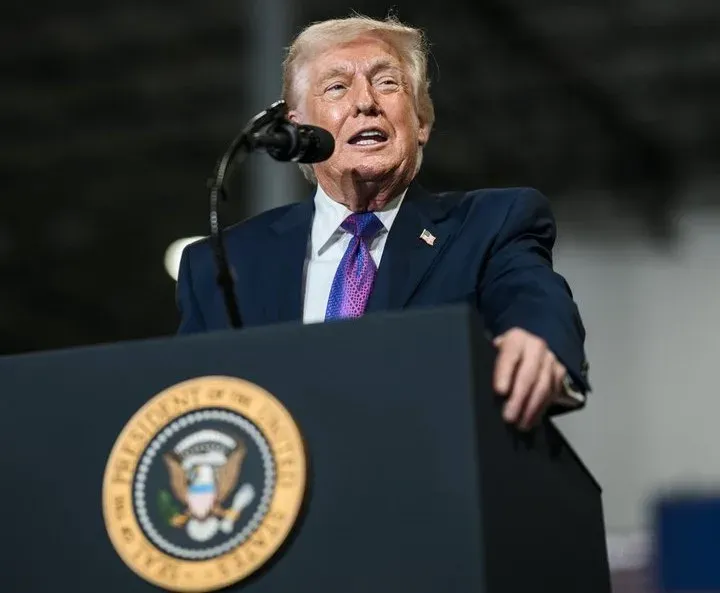
Donald Trump called on the Federal Reserve to lower interest rates on 28 July , aboard Air Force One en route to Michigan .
Trump argued the US should have 'the lowest interest rate in the world,' citing GDP growth potential of up to 12% .
He suggested Fed board members have 'bad intentions,' raising questions about the central bank's internal independence.
Trump blamed former President Joe Biden for what he called 'the worst inflation in history' and said costs are now falling rapidly.
He cited a $30 billion trade deficit with Switzerland as evidence of unfair borrowing-cost disparities.
The FOMC is scheduled to meet this week, making Trump's remarks a direct public pressure campaign ahead of the rate decision.
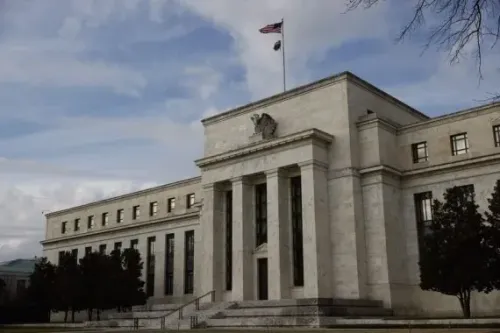
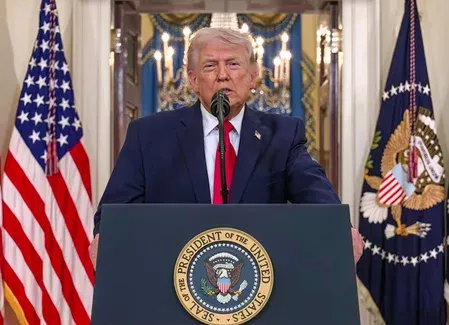
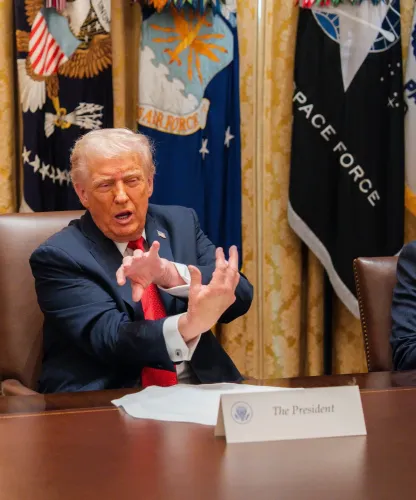
US President Donald Trump on Monday, 28 July called on the Federal Reserve to lower interest rates, asserting that the United States should carry the world's lowest borrowing costs given its economic growth trajectory. Trump made the remarks aboard Air Force One while en route to Michigan, just days before the Federal Open Market Committee (FOMC) is scheduled to convene.
What Trump Said
'Rates should be lowered. This country could be at eight percent, nine percent, 10 percent, 12 percent GDP. That's what it should be,' Trump told reporters travelling with him.
The president argued that the US pays higher interest rates than nations that depend on American economic and security support — a situation he described as inequitable. 'We should have the lowest interest rate in the world,' he said. 'We have other countries that are paying less interest rates, and if it wasn't for us, they wouldn't even exist.'
Trump on Fed Leadership and Board Politics
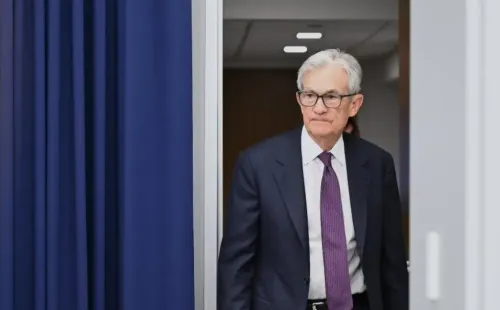
When asked whether he was worried the Fed might raise rates to counter inflation, Trump pointed to what he called internal political dynamics within the central bank's board. He appeared to reference Fed Chair Kevin Hassett — though the sitting Fed Chair is Jerome Powell — saying, 'Kevin's fantastic, but he's got a board and the board members are very political, I would say.'
'He wants to do the right thing. I know what he wants to do, but you need the consent of some people that have perhaps bad intentions,' Trump added, without naming individuals.
Inflation, Biden, and the Iran War
Trump pointed to a recent inflation report to argue that prices were falling rapidly, and again attributed the preceding price surge to his predecessor. 'I inherited the worst inflation in history from Biden, but costs are going down rapidly,' he said.
The president also linked the inflation outlook to an ongoing conflict involving Iran, suggesting that prices could fall further once hostilities ended. 'As soon as the war is over, you're going to see a big drop,' he said.
The Switzerland Example
Trump cited Switzerland as a country benefiting from lower borrowing costs despite what he described as a $30 billion trade deficit with the United States. 'I could wipe out that deficit overnight,' he said, framing lower US rates as both an economic and geopolitical lever.
Context and Convention
Trump has repeatedly pressed for lower interest rates throughout his political career, arguing they would stimulate investment and accelerate growth. Notably, sitting US presidents have traditionally refrained from directly directing the Federal Reserve's monetary policy decisions, though public commentary on economic conditions is not unprecedented. This is the latest in a series of public statements by Trump pressuring the Fed ahead of a scheduled FOMC meeting — a pattern that has drawn scrutiny from economists and central bank independence advocates alike.
Point of View
But the timing — days before an FOMC meeting — sharpens the political edge. The remarks about board members having 'bad intentions' are particularly notable: they suggest Trump is pre-emptively building a narrative that any decision not to cut rates is politically motivated, not economically justified. That framing erodes the institutional credibility the Fed depends on to anchor inflation expectations. The Switzerland example also conflates trade deficits with interest rate policy in a way most economists would not accept — but it signals that Trump intends to use rate policy as a trade lever, not just a growth tool.
NationPress
28 Jul 2026
Frequently Asked Questions
Why is Trump urging the Federal Reserve to cut interest rates?
Trump argues that as the US economy grows, the country should carry the world's lowest borrowing costs to stimulate investment and accelerate GDP growth. He made the remarks on 28 July aboard Air Force One, ahead of a scheduled FOMC meeting.
What did Trump say about the Fed's board members?
Trump suggested that while he believes Fed leadership wants to do the right thing, board members are 'very political' and some may have 'bad intentions' — implying internal resistance to rate cuts. He did not name specific individuals.
How does Trump connect inflation to Biden and the Iran conflict?
Trump attributed the recent period of high inflation to former President Joe Biden, calling it 'the worst inflation in history.' He also suggested that prices could fall further once the ongoing conflict involving Iran ends.
What is the FOMC and when does it meet?
The Federal Open Market Committee is the US Federal Reserve body responsible for setting interest rate policy. It was scheduled to meet the week of 28 July 2025, making Trump's public remarks a direct intervention ahead of that decision.
Is it normal for a US president to publicly pressure the Federal Reserve?
Traditionally, US presidents avoid directing the Federal Reserve's monetary policy decisions to preserve central bank independence. Public commentary on economic conditions is not unprecedented, but Trump's repeated and pointed calls for rate cuts — especially ahead of FOMC meetings — are considered unusual by convention.