Trump approves landmark Saudi nuclear deal, US firms set for billions
Synopsis
President Trump has signed off on a 30-year nuclear deal with Saudi Arabia that could, for the first time, allow uranium enrichment on Saudi soil — a provision that arms-control experts have long warned could reshape the Middle East's nuclear landscape. With US Energy Secretary Chris Wright set to sign it Wednesday and Congress review imminent, the deal's enrichment clause is the flashpoint to watch.
Key Takeaways
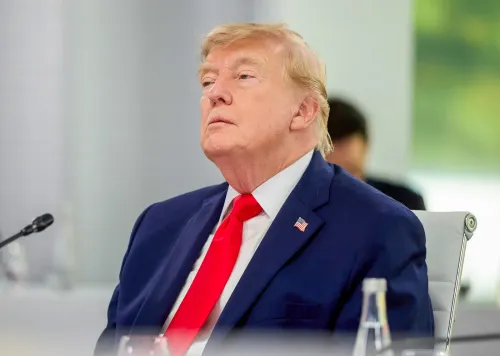
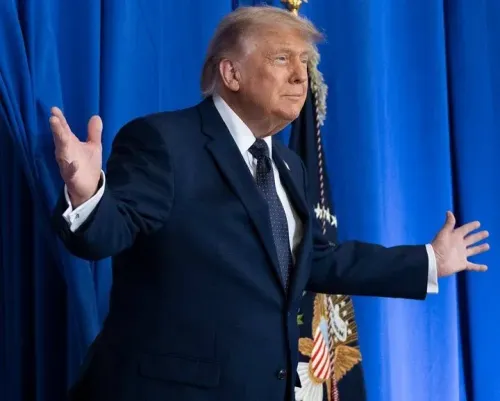
President Donald Trump formally approved a 30-year nuclear cooperation agreement with Saudi Arabia , reported on 22 July .
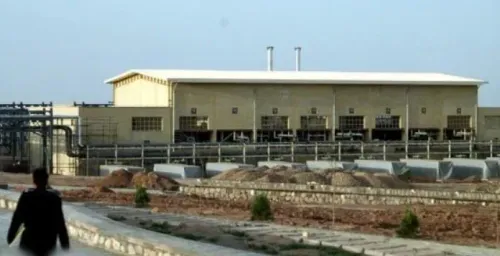
The deal could permit a uranium enrichment facility inside Saudi Arabia, subject to a joint US-Saudi feasibility study.
US companies stand to gain large contracts in reactor construction, nuclear fuel services, and related infrastructure worth tens of billions of dollars .
US Energy Secretary Chris Wright and Saudi Energy Minister Prince Abdulaziz bin Salman are expected to sign the agreement on Wednesday .
The agreement will be submitted to Congress for review in the coming days, where proliferation concerns are expected to resurface.
Saudi Arabia seeks nuclear power to diversify its energy mix and free more oil for export under its Vision 2030 agenda.
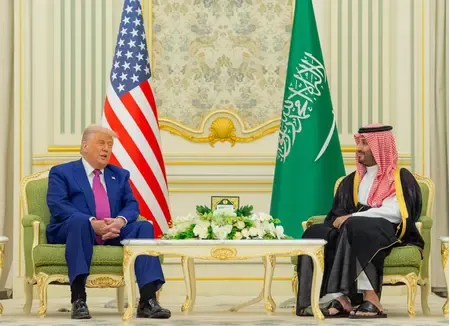
US President Donald Trump has formally approved a landmark 30-year nuclear cooperation agreement with Saudi Arabia, a deal that could permit uranium enrichment inside the kingdom and unlock tens of billions of dollars in contracts for American companies, according to a report by The Wall Street Journal on 22 July, citing US officials. US Energy Secretary Chris Wright and Saudi Energy Minister Prince Abdulaziz bin Salman are expected to sign the agreement on Wednesday.
What the Agreement Covers
The three-decade pact is designed to give Saudi Arabia access to a civilian nuclear programme while positioning US companies at the centre of the kingdom's emerging nuclear infrastructure — explicitly excluding foreign competitors. Under a key provision, American firms could construct a uranium enrichment facility on Saudi soil, though that component would proceed only if a joint US-Saudi study concluded such a facility was warranted, the report said.
The deal covers reactor construction, nuclear fuel services, and associated infrastructure — sectors where US companies stand to gain large, long-term contracts. Trump reportedly gave the agreement his approval late last week.
The Enrichment Controversy
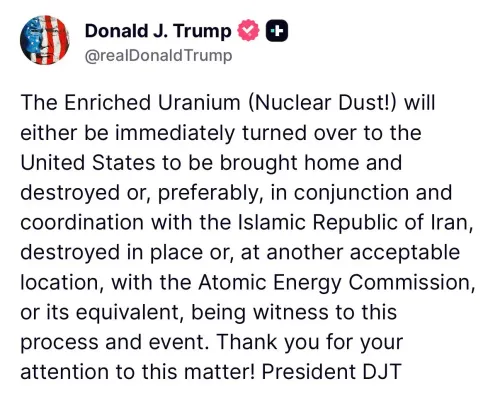
Uranium enrichment sits at the heart of international nuclear anxiety. While low-level enrichment produces fuel for civilian reactors, the same technology — taken to higher concentrations — can yield material for nuclear weapons. That dual-use reality has historically made enrichment the most sensitive element in any nuclear negotiation.
Trump administration officials argue that direct American involvement would give Washington greater oversight of the Saudi nuclear programme and reduce the risk of technology diversion for military purposes. Critics and congressional observers are likely to push back: the agreement is expected to be submitted to Congress for review in the coming days, and lawmakers have long expressed unease about expanding enrichment capabilities in the Middle East.
Background and Strategic Context
US Energy Secretary Chris Wright first discussed the proposed cooperation with his Saudi counterpart during his inaugural overseas visit to the region in April 2025. The agreement reflects a broader Saudi ambition: to diversify the kingdom's energy mix and economy well beyond oil. Riyadh has argued that nuclear power could address rising domestic electricity demand while freeing more crude for export — a dual economic argument that has gained traction as the kingdom pursues its Vision 2030 transformation agenda.
This comes amid a wider geopolitical contest over who shapes the Middle East's nuclear future. China and Russia have both sought to build nuclear infrastructure in the region, and Washington's push to lock in American companies is partly a counter to that influence.
Congressional and Nonproliferation Concerns
The deal is expected to revive longstanding concerns in Congress about the proliferation of sensitive nuclear technology. Saudi Arabia has previously declined to sign a so-called '123 Agreement' — the standard US nuclear cooperation framework — that would require Riyadh to forgo domestic enrichment. Whether the new agreement addresses or sidesteps that requirement has not been fully detailed in reports so far.
Nonproliferation experts have consistently flagged the risk that a Saudi enrichment capability could trigger a regional cascade, with other Middle Eastern states seeking similar programmes. The congressional review period will be a critical test of how much scrutiny the deal faces before it can take effect.
What Comes Next
The formal signing by Secretary Wright and Prince Abdulaziz on Wednesday marks the next milestone. After that, the agreement heads to Congress, where it will face review under US nuclear cooperation law. Industry bodies in the US nuclear and energy sectors are expected to welcome the commercial opportunity, while arms control advocates are likely to raise alarms about the enrichment provision specifically.
Point of View
Not a guarantee. If this agreement normalises enrichment in the Gulf, other regional states will demand parity, and the nonproliferation architecture that has held — imperfectly — for decades comes under its most serious stress in a generation. Congress's review will reveal whether this is a strategic masterstroke or a proliferation gamble dressed up as a commercial win.
NationPress
22 Jul 2026
Frequently Asked Questions
What is the US-Saudi nuclear deal approved by Trump?
It is a 30-year civilian nuclear cooperation agreement under which American companies would build and operate nuclear infrastructure in Saudi Arabia, including potentially a uranium enrichment facility. President Trump approved the deal late last week, according to The Wall Street Journal, with a formal signing expected on Wednesday.
Why is the uranium enrichment provision controversial?
Uranium enrichment can produce fuel for civilian reactors but the same technology, at higher concentrations, can yield material for nuclear weapons. Allowing enrichment inside Saudi Arabia raises proliferation concerns, and experts warn it could prompt other Middle Eastern states to seek similar capabilities.
Who will sign the agreement and when?
US Energy Secretary Chris Wright and Saudi Energy Minister Prince Abdulaziz bin Salman are expected to sign the agreement on Wednesday, 23 July. The deal will then be submitted to Congress for review under US nuclear cooperation law.
What does Saudi Arabia gain from this deal?
Saudi Arabia gains access to a civilian nuclear programme that could diversify its energy mix, meet rising domestic electricity demand, and free more crude oil for export — key goals of the kingdom's Vision 2030 economic transformation agenda.
What happens after the agreement is signed?
The agreement goes to Congress for review, where it is expected to face scrutiny over the enrichment provision and broader nonproliferation concerns. Congressional approval or objection will determine whether the deal's most sensitive elements — particularly the enrichment facility — can proceed.