Trump warns AI data centres will shift to China if US rejects them
Synopsis
Trump's Ohio rally warning — that AI data centres will relocate to China if America turns them away — reframes a local electricity-cost dispute as a front in the US-China tech war. With his endorsement of a Senate bill that already failed this week, Trump is betting that AI nationalism plays better than regulatory caution in the final stretch before the midterms.
Key Takeaways
President Donald Trump warned at a Vandalia, Ohio rally on 4 October 2026 that AI data centres could shift to China if the US rejects them.
Trump endorsed the Ratepayer Protection Act , pledging to sign it immediately — but the bill failed a Senate procedural vote earlier this week.
The US and 16 other countries endorsed the Kyoto Vision for a Golden Age of Science a day after the rally, backing expanded access to AI and computing infrastructure.
Trump campaigned for Republican Senator Jon Husted and Indian-American gubernatorial candidate Vivek Ramaswamy ahead of the 3 November midterm elections .
Data centre electricity demands have become a contentious consumer issue in Ohio and across the United States.
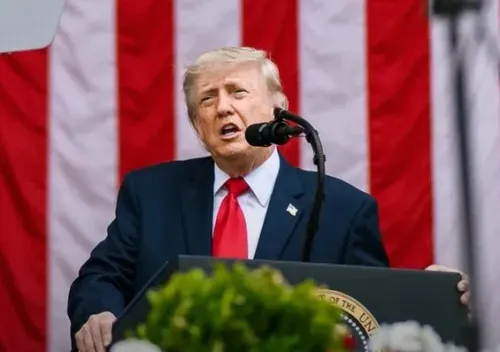
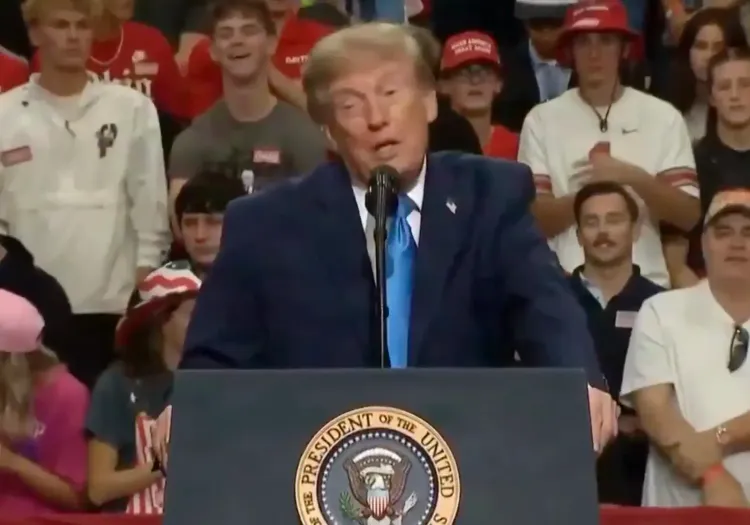
US President Donald Trump on Saturday, 4 October 2026, warned that Artificial Intelligence (AI) data centres could migrate to China if the United States turns them away, as he defended their rapid expansion and backed legislation aimed at shielding household electricity bills from the cost burden these facilities impose. The remarks came during a campaign rally in Vandalia, Ohio, ahead of the 3 November midterm elections.
Key Remarks at the Ohio Rally
Trump framed data centres as central to America's technological rivalry with China, arguing that the computing infrastructure underpinning increasingly powerful AI systems must remain on US soil. 'We want them,' Trump said of the data centres. 'There's so much money to be made for Ohio. You can't just turn them off. They'll go to China.' He also claimed the US currently holds the upper hand in the global tech race, adding: 'We're beating China.'
The Electricity Cost Controversy
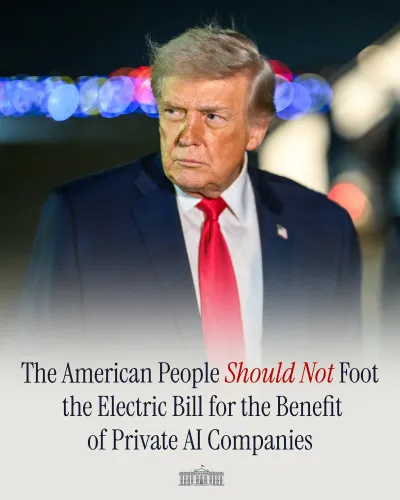
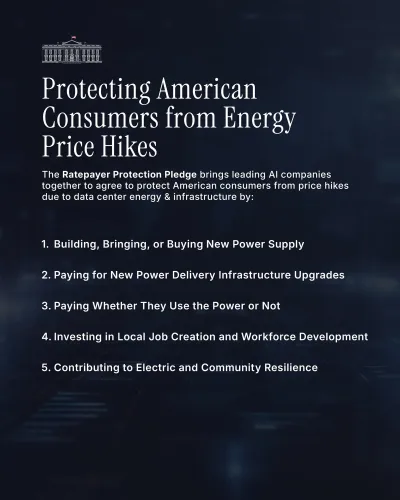
The rapid proliferation of large-scale data centres has become a flashpoint in Ohio and across the United States, primarily because of the enormous electricity requirements these facilities carry — requirements that critics argue could push up power bills for ordinary consumers. Trump said his administration was taking 'historic action' to ensure that data centres 'benefit local communities' rather than burden them.
The Ratepayer Protection Act
Trump endorsed the Ratepayer Protection Act, pushed by Republican Senator Jon Husted, which would require data centres to bear the costs associated with their own power needs and bar them from passing those costs on to other consumers. 'I will sign this Ratepayer Protection Act into law immediately,' Trump declared. Notably, the legislation has not yet been enacted — an attempt to advance it in the US Senate failed earlier this week, making Trump's pledge contingent on a legislative path that remains uncertain.
Broader Context: US-China AI Race and the Kyoto Vision
Trump's comments fit within his administration's wider push to outpace China in artificial intelligence — a competition the President has increasingly described in terms of 'super intelligence.' This comes amid a significant diplomatic development: just a day after the rally, the White House announced that the United States and 16 other countries had endorsed the Kyoto Vision for a Golden Age of Science at an international science and technology gathering in Japan. The declaration calls for expanded access to super-intelligence tools, scientific data, computing infrastructure, and experimental facilities to accelerate global research.
Candidates Trump Backed in Ohio
Trump used the Vandalia rally to campaign for two Republican candidates. Senator Jon Husted, who was appointed to the US Senate seat vacated when JD Vance became Vice-President, is seeking election to the seat against former Democratic Senator Sherrod Brown. Also on the ticket is Vivek Ramaswamy — the Indian-American son of Indian immigrants, a former biotechnology entrepreneur, and a one-time Republican presidential contender in 2024 — who is running for Ohio Governor against Democrat Amy Acton, a physician and former Director of the Ohio Department of Health.
With midterms weeks away, Republicans are seeking to retain control of Congress, and Trump's Ohio stop underscored how AI infrastructure and energy costs have become live political issues well beyond Washington's tech policy circles.
Point of View
He neutralises opposition to Big Tech's land grab in swing-state Ohio without actually resolving the consumer cost problem. The Ratepayer Protection Act endorsement is the tell — the bill stalled in the Senate this very week, yet Trump promised an immediate signature, betting that the gesture matters more than the legislative reality. More broadly, the rally reveals a tension the administration has not resolved: it wants America to dominate AI, but AI's infrastructure appetite is straining the very grids and communities that vote Republican. The Kyoto Vision announced the next day suggests Washington is moving on the international flank; the domestic regulatory framework remains unresolved.
NationPress
4 Oct 2026
Frequently Asked Questions
What did Trump say about AI data centres and China?
Trump warned at an Ohio rally on 4 October 2026 that AI data centres would move to China if the United States turns them away, arguing that America needs this computing infrastructure to stay ahead in the global tech race. He said the US was 'beating China' and called for policies that keep investment on American soil.
What is the Ratepayer Protection Act that Trump endorsed?
The Ratepayer Protection Act is legislation championed by Republican Senator Jon Husted that would require data centres to bear the full cost of their own electricity needs, preventing those costs from being passed on to ordinary consumers. Trump pledged to sign it immediately, though the bill failed a procedural vote in the US Senate earlier this week and has not yet been enacted.
Why are data centres a political issue in Ohio?
Large-scale AI data centres require enormous amounts of electricity, and there are growing concerns in Ohio and elsewhere that their power demands could raise electricity bills for households and small businesses. The issue has become a flashpoint ahead of the November midterm elections.
Who is Vivek Ramaswamy and why was Trump endorsing him?
Vivek Ramaswamy is an Indian-American former biotechnology entrepreneur and one-time 2024 Republican presidential candidate who is running for Ohio Governor against Democrat Amy Acton. Trump appeared at the Vandalia rally to back both Ramaswamy and Senator Jon Husted as Republicans seek to hold their midterm positions.
What is the Kyoto Vision for a Golden Age of Science?
The Kyoto Vision for a Golden Age of Science is a declaration endorsed by the United States and 16 other countries at an international science and technology gathering in Japan, announced by the White House on 5 October 2026. It calls for expanded access to super-intelligence tools, scientific data, computing infrastructure, and experimental facilities to accelerate global scientific research.