Trump questions Russian fuel ban but signals no policy shift
Synopsis
Trump called the US ban on Russian petroleum imports 'a pretty bad law' and said he would examine it — but announced nothing. Meanwhile, a Treasury licence quietly authorising Russian diesel imports through April 2027 is already on a collision course with the 2022 statute, and New Jersey's governor is warning businesses not to touch the fuel.
Key Takeaways
President Donald Trump on 6 November 2026 questioned the Ending Importation of Russian Oil Act but announced no policy change.
The Office of Foreign Assets Control had already issued General License 135 on 9 October , authorising Russian diesel imports through 7 April 2027 .
The 2022 statute requires a formal presidential certification and a 90-day congressional notice period before the ban can be lifted — a process the licence does not document.
New Jersey Governor Mikie Sherrill warned port and terminal operators on 2 November that accepting Russian fuel could violate federal law.
No timetable, proposed legislative amendment, or reconciliation plan has been offered by the administration.
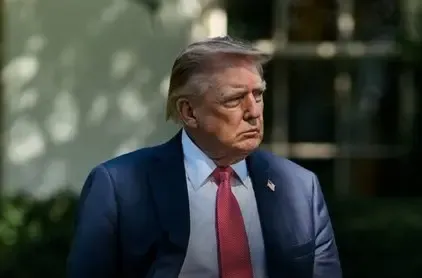
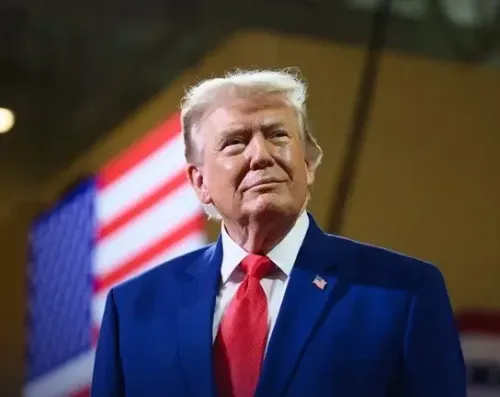
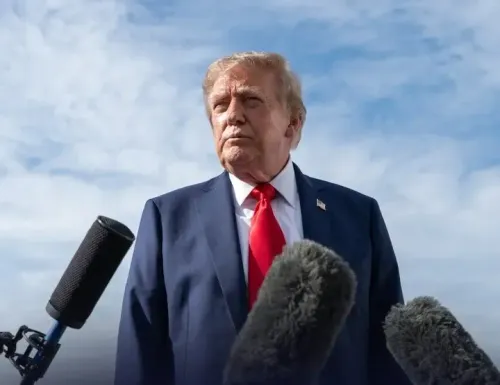
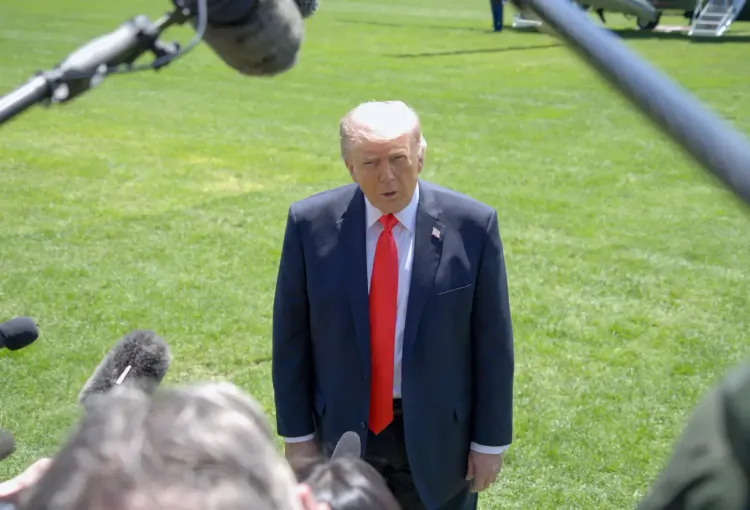
US President Donald Trump on 6 November 2026 questioned the federal law banning Russian petroleum imports, saying he would 'take a look at it,' but stopped short of announcing any policy change — even as his administration faces mounting scrutiny over a separate Treasury authorisation that critics argue directly conflicts with that statute.
What Trump Said
During an Oval Office appearance, a reporter raised the case of a tanker carrying Russian diesel across the Atlantic, reportedly bound for the United States, and asked about the legal bar on offloading its cargo. Trump initially questioned whether the restriction fell under the Jones Act; the reporter clarified it concerned legislation enacted in 2022 under then-President Joe Biden.
'That probably makes it a pretty bad law. I'll take a look at it, sure,' Trump said. His remarks offered no timetable, proposed amendment, or explanation of how his administration would reconcile the diesel authorisation it had already issued with the statutory import prohibition.
The Treasury Licence at the Centre of the Dispute
Nearly a month before Trump's remarks, on 9 October, the Office of Foreign Assets Control (OFAC) issued General License 135, authorising transactions otherwise prohibited under two sets of Russia-related sanctions regulations when they involve the sale, delivery, offloading, or importation of Russian-origin diesel. Critically, the licence text expressly includes importation into the United States, and runs through 12:01 a.m. Eastern Daylight Time on 7 April 2027.
The licence excludes debits to accounts at US financial institutions held by Russia's central bank, its National Wealth Fund, or its Finance Ministry. It is limited to diesel and does not constitute a general reopening of trade in all Russian petroleum products.
The Statutory Conflict
The Ending Importation of Russian Oil Act, signed on 8 April 2022, separately prohibits imports of Russian products classified under Chapter 27 of the US tariff schedule. The statute establishes a specific procedure for terminating that prohibition: it requires a presidential certification that Ukraine has accepted an agreement for Russian withdrawal and cessation of hostilities, that there is no immediate Russian military threat to NATO members, and that Ukrainians' right to choose their own government is recognised.
Even after such certification, Congress must be consulted in advance, and a 90-day period elapses before termination takes effect — unless Congress enacts a resolution of disapproval. The Treasury licence does not document completion of any part of that statutory process.
New Jersey Governor Pushes Back
New Jersey Governor Mikie Sherrill challenged the authorisation in a letter dated 2 November — three days before Trump's remarks — addressed to port and terminal operators in the state. 'The Trump Administration's authorization of Russian fuel imports directly conflicts with federal law,' she wrote. Sherrill argued that the statute does not grant the executive branch blanket authority to waive the ban through licences, warned businesses against accepting the fuel, and said New Jersey would deploy available legal and regulatory powers to oppose such imports.
What Happens Next
The gap between the OFAC licence and the 2022 statute is likely to draw legal challenges. With the licence valid through early April 2027, and no presidential certification in evidence, critics — including state governors and legal scholars — are expected to test the administration's position in court. Any policy shift that formally reopens Russian petroleum imports would require completing the certification and congressional notification process set out in the 2022 law.
Point of View
The President is now being asked to ratify it rhetorically. The 2022 statute's certification requirements exist precisely to prevent executive branch end-runs around a congressional ban, so the legal exposure is real. New Jersey's challenge signals that this will not resolve quietly — expect a court test before the licence's April 2027 expiry. What mainstream coverage underweights is that the certification threshold — a Ukraine-accepted withdrawal agreement and no NATO threat — is effectively unachievable in the current geopolitical environment, meaning the licence and the law are on a structural collision course.
NationPress
6 Nov 2026
Frequently Asked Questions
What did Trump say about the Russian fuel import ban?
Trump said the law was 'probably a pretty bad law' and that he would examine it, but he announced no policy change, no timetable, and no proposed amendment during his Oval Office remarks on 6 November 2026.
What is OFAC General License 135?
General License 135 is a Treasury authorisation issued on 9 October by the Office of Foreign Assets Control. It permits transactions involving the sale, delivery, offloading, or importation of Russian-origin diesel into the United States, and remains valid through 7 April 2027.
Does the Treasury licence override the 2022 Russian oil import ban?
Critics argue it does not. The Ending Importation of Russian Oil Act of 2022 requires a formal presidential certification — covering a Ukraine-accepted ceasefire, no NATO military threat, and Ukrainian self-determination — plus congressional consultation and a 90-day waiting period before the ban can be lifted. The Treasury licence does not document completion of that process.
Why is New Jersey Governor Mikie Sherrill opposing the licence?
Governor Sherrill wrote to port and terminal operators on 2 November arguing that the Trump administration lacks statutory authority to waive the import ban through an executive licence. She warned businesses against accepting Russian fuel and said New Jersey would use legal and regulatory tools to oppose such imports.
What would it take to legally lift the Russian petroleum import ban?
The 2022 law requires the president to certify that Ukraine has accepted a Russian withdrawal and ceasefire agreement, that Russia poses no immediate military threat to NATO, and that Ukrainians retain the right to choose their government. After certification, Congress must be notified and a 90-day period must pass before the ban terminates — unless Congress blocks it with a resolution of disapproval.