Trump hails Apollo legacy on Space Day, vows Moon and Mars push
Synopsis
On the 57th anniversary of Apollo 11, Trump used Space Exploration Day not just to celebrate history but to stake out America's next frontier — Moon bases, Mars missions, and a Space Force framing that ties exploration directly to national security. With China racing toward its own lunar landing before 2030, the rhetoric is carrying real geopolitical weight.
Key Takeaways
President Trump issued a Space Exploration Day message on 21 July , marking 57 years since the Apollo 11 Moon landing.
He reaffirmed US commitment to the Artemis programme , which aims to return astronauts to the Moon and eventually reach Mars .
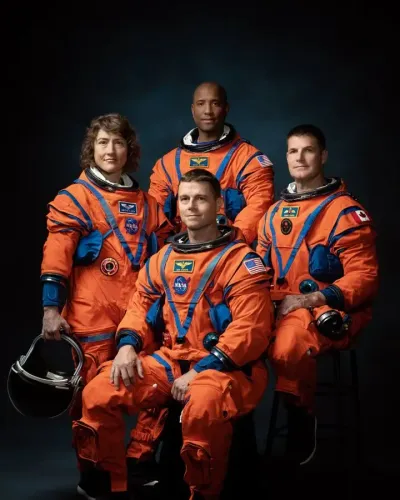
The Artemis II crew — Reid Wiseman , Victor Glover , Christina Koch , and Canadian Jeremy Hansen — was cited as the first deep-space crewed mission in over 50 years .
Trump linked space exploration to national security through the United States Space Force .
He highlighted the re-establishment of the National Space Council as a mechanism for unified space strategy.
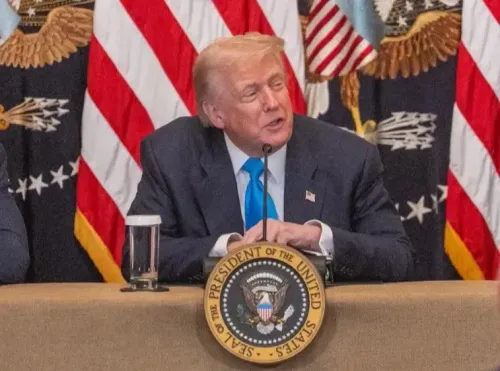
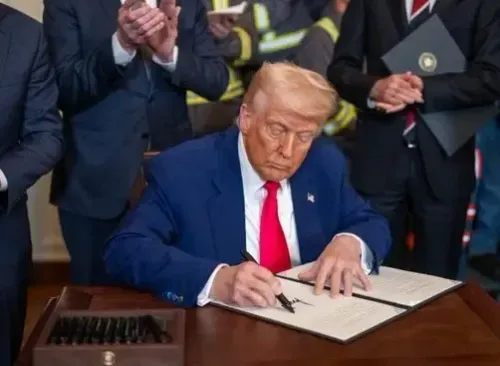
US President Donald Trump on 21 July issued a presidential message marking Space Exploration Day, honouring the 57th anniversary of the Apollo 11 Moon landing and committing his administration to advancing American space missions toward the Moon and, ultimately, Mars. The statement, released by the White House, framed space leadership as both a scientific ambition and a national security imperative.
Honouring Apollo 11's Legacy
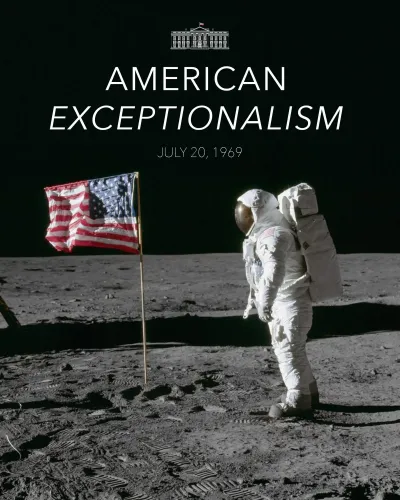
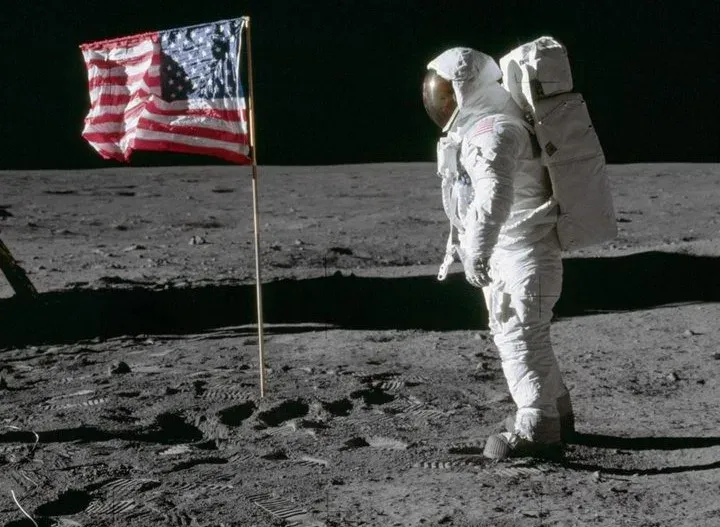
Trump paid tribute to astronauts Neil Armstrong, Buzz Aldrin, and Michael Collins, whose 20 July 1969 lunar landing he described as proof that 'no frontier lies beyond the reach of a free and unwavering people.' He said the Apollo legacy 'still burns in the hearts of all Americans, calling each generation to reach higher into the cosmos than the last.'
Artemis Programme and Deep Space Ambitions
The president pointed to the Artemis II mission — which carried American astronauts Reid Wiseman, Victor Glover, and Christina Koch, alongside Canadian astronaut Jeremy Hansen — as evidence of renewed deep-space momentum, describing it as the first crewed venture into deep space in over 50 years. Trump said Artemis missions would 'return American astronauts to the Moon, establish a human presence, and lay the foundation to reach the red dunes of Mars and the boundless frontier beyond.'
Notably, the Artemis programme has faced repeated delays and budget scrutiny from Congress, making Trump's reaffirmation of its centrality to US space policy a significant political signal ahead of upcoming funding cycles.
Space Force and National Security
Trump also used the occasion to underscore the defence dimension of America's space agenda. He described the United States Space Force as a body whose 'innovative technology shields every American family while safeguarding our Nation's national security from above,' linking civilian exploration directly to military readiness in orbit.
National Space Council and American Dominance
Highlighting a policy decision from his first term, Trump noted that he had 're-established the National Space Council' — a coordinating body that brings together the military, scientists, industry, and the Space Force — with the stated aim of 'securing American dominance in space for all time to come.' He pledged that under his leadership, 'America will continue to push beyond every boundary and lead the world ever deeper into the universe.'
This comes amid intensifying competition from China, which has announced its own crewed lunar programme targeting a Moon landing before 2030, adding geopolitical urgency to Washington's space commitments. How the administration translates these pledges into appropriations and mission timelines will be closely watched in the months ahead.
Point of View
But the harder question is whether Artemis — already years behind schedule and perpetually underfunded relative to its ambitions — can deliver before China plants its own flag on the Moon. Reaffirming the National Space Council and the Space Force in the same breath as Mars signals that Washington increasingly views space as a theatre of strategic competition, not just scientific endeavour. Pledges are abundant; the budget line items will tell the real story.
NationPress
21 Jul 2026
Frequently Asked Questions
Why did Trump issue a Space Exploration Day message on 21 July?
21 July marks Space Exploration Day in the United States, commemorating the Apollo 11 Moon landing of 20 July 1969. Trump used the 57th anniversary to reaffirm his administration's commitment to the Artemis programme and broader space leadership goals.
What is the Artemis II mission Trump referenced?
Artemis II is a crewed deep-space mission carrying American astronauts Reid Wiseman, Victor Glover, and Christina Koch, along with Canadian astronaut Jeremy Hansen — described as the first crewed venture into deep space in over 50 years. It is intended as a precursor to lunar surface missions under the Artemis programme.
What role does the US Space Force play in Trump's space agenda?
Trump framed the US Space Force as the national security backbone of America's space programme, saying its technology 'shields every American family' and safeguards national security from orbit. He positioned civilian exploration and military space capability as mutually reinforcing.
What is the National Space Council and why did Trump highlight it?
The National Space Council is a White House body that coordinates space policy across the military, scientific, and industrial sectors. Trump noted he re-established it during his first term to unify these stakeholders behind a single goal of securing American dominance in space.
How does US space ambition compare to China's?
China has announced a crewed lunar programme targeting a Moon landing before 2030, putting it on a potential collision course with US Artemis timelines. This competition adds geopolitical urgency to Trump's pledges, though the Artemis programme has faced repeated delays and budget pressures from Congress.