Trump says Iran deal makes Strait of Hormuz 'permanently toll-free'
Synopsis
Trump claims a landmark US-Iran deal will make the Strait of Hormuz ‘permanently toll-free’ — but the full text hasn’t been released, allies haven’t seen it, and the hardest issues have been deferred. The deal’s survival depends on negotiations that haven’t happened yet.
Key Takeaways
US President Donald Trump said on 15 June that a US-Iran agreement would make the Strait of Hormuz ‘permanently toll-free.’ Trump warned that military strikes on Tehran would resume if a final nuclear accord is not reached.
Trump praised Xi Jinping and Vladimir Putin for aiding diplomacy, while criticising Benjamin Netanyahu as ‘a very difficult guy.’ The full text of the agreement has not been released; key issues including sanctions relief and enriched uranium stockpiles remain unresolved.
G7 allied leaders have yet to review the accord’s text ahead of the summit in France .
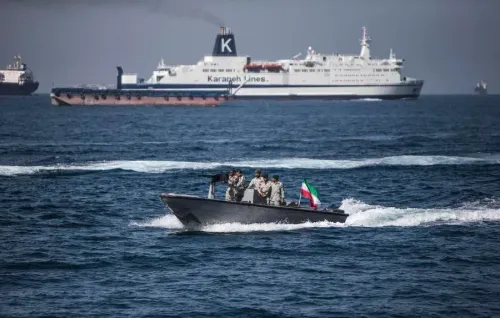
Shipping companies are withholding normal operations pending concrete security guarantees for the waterway.
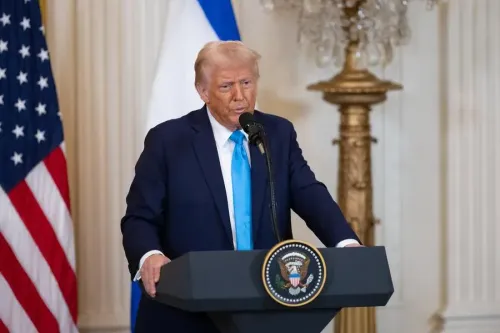
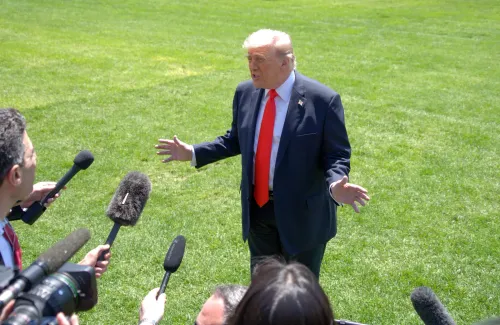
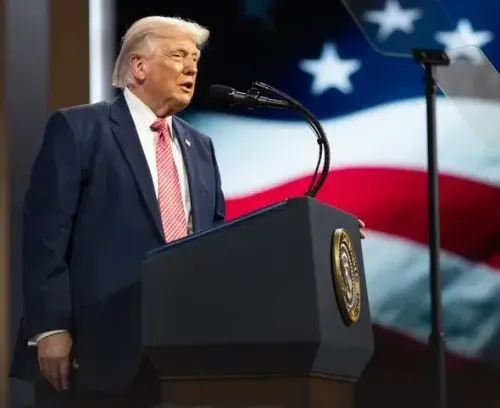
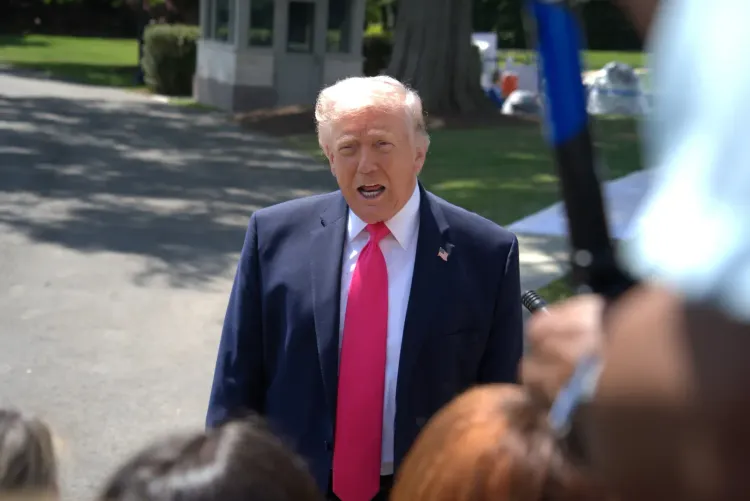
US President Donald Trump said on Monday, 15 June that the agreement his administration has reached with Iran would make the Strait of Hormuz ‘permanently toll-free,’ claiming the accord would secure one of the world’s most critical energy corridors while preventing Tehran from acquiring a nuclear weapon. The remarks, made in an exclusive interview with The New York Times, represent Trump’s most detailed public defence of the deal to date.
What Trump Said
In the interview, Trump argued that the agreement would keep the strategic waterway open to international shipping and reduce the risk of a broader regional conflict. He also claimed he had ‘saved Israel from nuclear obliteration,’ according to The New York Times. Trump further warned that if Iran failed to finalise a nuclear accord with the United States, he would restart military strikes on Tehran.
Trump used the interview to defend earlier US military action against Iran this year, contending that the strikes and a subsequent naval blockade had shifted the regional balance in America’s favour and helped produce the current agreement.
Praise for Xi, Putin — and Criticism of Netanyahu
In a notable departure from conventional allied messaging, Trump praised Chinese President Xi Jinping and Russian President Vladimir Putin, crediting their actions with advancing the diplomatic process. He simultaneously criticised Israeli Prime Minister Benjamin Netanyahu, reportedly describing him as ‘a very difficult guy’ and suggesting that Israeli military actions had nearly derailed the negotiations, according to The New York Times.
Key Unresolved Issues
Despite Trump’s confidence, significant questions remain unanswered. The full text of the agreement has not been made public, and future negotiating rounds are expected to tackle contentious issues including Iran’s nuclear programme, sanctions relief, and the handling of Tehran’s stockpile of enriched uranium. Both sides have reportedly deferred some of the most difficult provisions to later stages of talks.
The proposed deal is also expected to dominate discussions at the upcoming Group of Seven (G7) summit in France. According to The Wall Street Journal, allied leaders have yet to review the text of the accord and are seeking clarity on how the arrangement will be implemented and monitored.
Shipping Industry Response
Shipping companies have welcomed the prospect of the Strait of Hormuz reopening but remain cautious. Many operators are waiting for concrete security guarantees before resuming normal traffic through the waterway, where hundreds of vessels were reportedly stranded during the conflict, according to reporting from the Gulf region cited by The New York Times.
What Comes Next
The agreement’s durability hinges on follow-on negotiations over Iran’s nuclear programme and the sequencing of sanctions relief — issues that have historically proven the most difficult to bridge. With G7 allies still awaiting the deal’s text and shipping operators holding back, the coming weeks will test whether the framework can survive contact with the details.
Frequently Asked Questions
What did Trump say about the US-Iran deal and the Strait of Hormuz?
Trump said in an interview with The New York Times on 15 June that the agreement his administration reached with Iran would make the Strait of Hormuz ‘permanently toll-free,’ securing a vital global energy corridor and preventing Iran from developing a nuclear weapon.
Has the full text of the US-Iran agreement been released?
No. As of 15 June, the full text of the agreement has not been made public. Key issues — including Iran’s nuclear programme, sanctions relief, and enriched uranium stockpiles — have been deferred to future rounds of negotiations.
Why did Trump criticise Benjamin Netanyahu?
Trump reportedly described Israeli Prime Minister Benjamin Netanyahu as ‘a very difficult guy,’ suggesting that Israeli military actions had nearly derailed the US-Iran negotiations, according to The New York Times.
How have shipping companies responded to the potential Strait of Hormuz reopening?
Shipping companies have welcomed the prospect but remain cautious, waiting for concrete security guarantees before resuming normal traffic. Hundreds of vessels were reportedly stranded in the waterway during the conflict.
What is the significance of the Strait of Hormuz?
The Strait of Hormuz is one of the world’s most critical energy chokepoints, through which a significant share of global oil and gas supplies passes. Any disruption to the waterway has immediate consequences for international energy markets and shipping.