Kishan Reddy: UNEP flags India's Ganga Dolphin programme
Synopsis
UNEP has recognised India's Ganges River Dolphin Recovery Programme as one of 35 global World Restoration Flagships. Union Minister G. Kishan Reddy credited Project Dolphin and Namami Gange — both anchored in PM Modi's river-rejuvenation push — for earning the distinction.
Key Takeaways
UNEP has designated India's Ganges River Dolphin Recovery Programme one of 35 World Restoration Flagships under the UN Decade on Ecosystem Restoration.
Project Dolphin , launched in 2020 , provides the dedicated conservation framework — habitat protection, monitoring, and community engagement — underpinning the recognition.
Namami Gange , the Ganga rejuvenation programme started in 2015 , integrated dolphin conservation as a core biodiversity metric alongside pollution control.
The Ganges River Dolphin is treated as an indicator species: its recovery signals broader aquatic ecosystem health across the Ganga basin.
Kishan Reddy credited PM Narendra Modi 's leadership and India's long-term conservation planning for earning the global distinction.
The Flagship status enhances India's visibility in international biodiversity negotiations and may unlock knowledge and funding partnerships.
India's Ganges River Dolphin Recovery Programme has earned a place among 35 World Restoration Flagships recognised by the United Nations Environment Programme (UNEP) — a global stamp of approval that Union Coal and Mines Minister G. Kishan Reddy called 'a proud moment for India's conservation efforts' on Monday, 9 November 2026.
From endangered species to global flagship
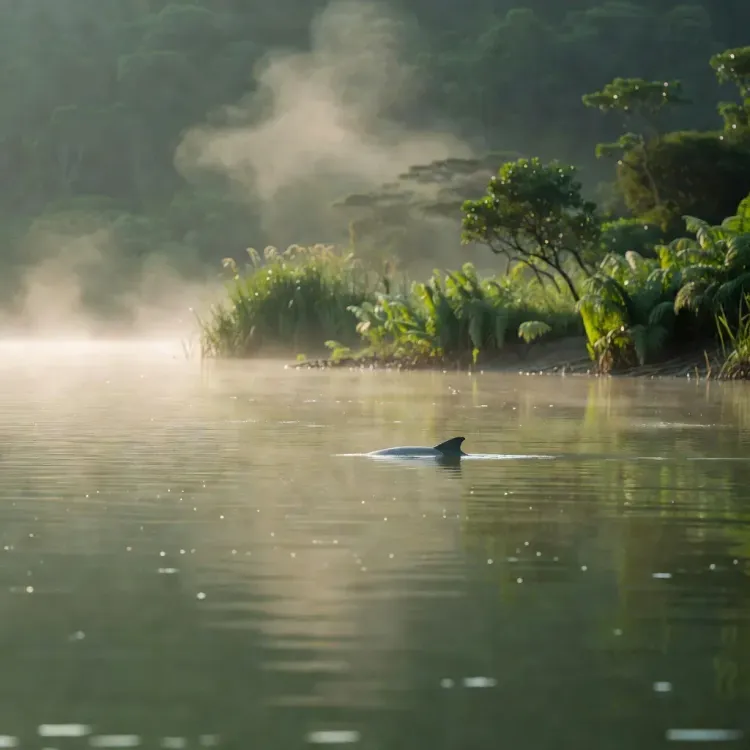
The Ganges River Dolphin — one of the world's few freshwater dolphin species — has long served as a living barometer of the Ganga's ecological health. When the river suffers, so does the dolphin. That is precisely why conservationists and policymakers treat it as an indicator species: protect the dolphin, and you are, by definition, protecting the entire aquatic ecosystem it inhabits.
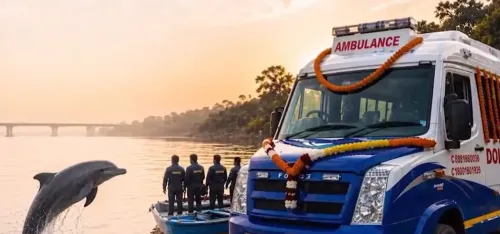
Project Dolphin, announced in 2020, created a dedicated conservation framework around this logic — combining habitat protection, river health monitoring, and community engagement along the Ganga basin. The UNEP's World Restoration Flagship designation, awarded under the broader UN Decade on Ecosystem Restoration, signals that India's approach is now being held up as a model worth replicating internationally.
Namami Gange's biodiversity thread
The recognition does not sit in isolation. It builds on Namami Gange, the flagship river-rejuvenation programme launched in 2015 that tackled Ganga pollution, improved ecological flows, and embedded biodiversity goals into infrastructure planning. Dolphin conservation became one of the programme's clearest ecological metrics — a way to show that cleaning the river was producing measurable, living results.
Kishan Reddy explicitly linked the milestone to Prime Minister Narendra Modi's leadership, noting India's 'long-term conservation planning and river rejuvenation initiatives' as the foundation. That framing reflects a deliberate policy strategy: anchor domestic conservation wins to international frameworks — UNEP, the UN Decade on Ecosystem Restoration, global biodiversity targets — to build diplomatic credibility alongside ecological outcomes.
What the Flagship status actually means
Being named a UNEP World Restoration Flagship is not ceremonial. It places India's Ganges Dolphin Recovery Programme in a cohort of 35 initiatives worldwide that UNEP considers exemplary enough to accelerate, scale, and showcase. For India, the practical implication is visibility — increased access to international knowledge networks, potential funding partnerships, and a stronger bargaining position in global biodiversity negotiations.
Riverine communities along the Ganga — fishers, farmers, boatmen — stand as the first beneficiaries of a healthier river. A recovering dolphin population means cleaner water and more robust fish stocks. Conservation, in this case, is not just ecology. It is livelihood.
The Ganges River Dolphin's story is far from over — but for the first time in decades, the current is running in its favour.
Point of View
The government converts an abstract cleanup programme into a headline-friendly, measurable outcome. The recognition also strengthens India's hand in upcoming global biodiversity negotiations, where river-ecosystem restoration will be a contested priority. Watch whether this international validation translates into accelerated state-level implementation under Project Dolphin.
NationPress
9 Nov 2026
Frequently Asked Questions
What is the UNEP World Restoration Flagship programme?
The UNEP World Restoration Flagships are initiatives selected by the United Nations Environment Programme under the UN Decade on Ecosystem Restoration as exemplary, scalable models of ecological recovery. India's Ganges River Dolphin Recovery Programme is one of 35 initiatives recognised globally.
What is Project Dolphin India?
Project Dolphin is a national conservation initiative announced in 2020 to protect the endangered Ganges River Dolphin through dedicated habitat protection, river health monitoring, and community engagement along the Ganga basin.
How is Namami Gange linked to dolphin conservation?
Namami Gange, launched in 2015 to rejuvenate the Ganga river, incorporated biodiversity goals including dolphin conservation as a key ecological metric, making the dolphin's recovery a visible indicator of the programme's success.
Why is the Ganges River Dolphin considered endangered?
The Ganges River Dolphin faces threats from river pollution, habitat fragmentation caused by dams and barrages, accidental entanglement in fishing nets, and reduced river flows — all of which degrade the freshwater ecosystem it depends on.
What does G. Kishan Reddy have to do with wildlife conservation?
G. Kishan Reddy is India's Union Minister of Coal and Mines and BJP's Telangana state president. He has also publicly championed India's biodiversity and conservation milestones, regularly amplifying central government initiatives including Project Dolphin and Namami Gange.