Yadav highlights Dolphin rescue ambulance from Mann Ki Baat
Synopsis
Union Environment Minister Bhupender Yadav on 31 May 2026 highlighted a dolphin rescue ambulance — described as a mobile hospital — in the context of Mann Ki Baat. The facility supports Project Dolphin, India's national initiative to protect the endangered Ganges river dolphin alongside the Namami Gange programme.
Key Takeaways
Union Environment Minister Bhupender Yadav shared details of a dolphin rescue ambulance on 31 May 2026 .
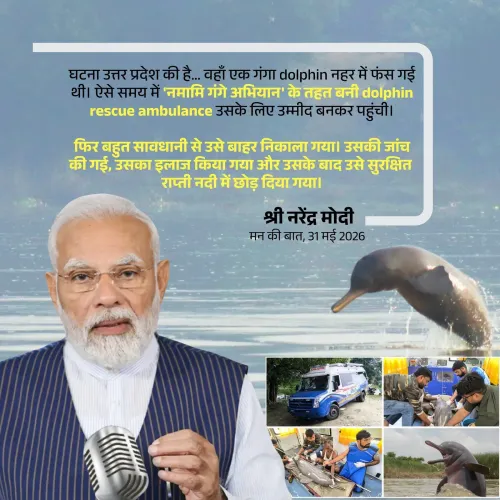
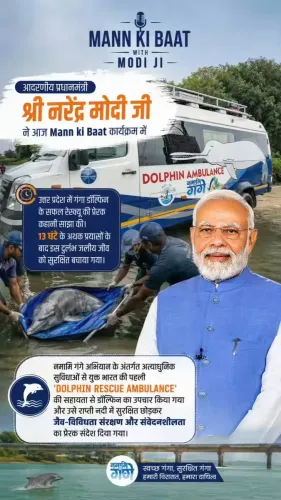
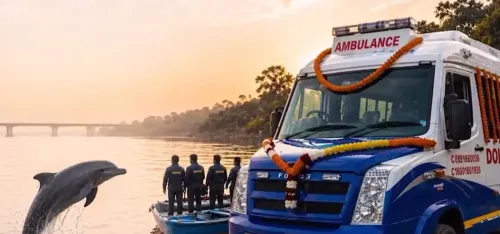
The ambulance is designed as a mobile hospital with arrangements to keep dolphins safe during rescue and transit.
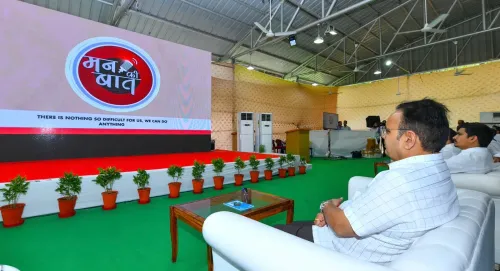
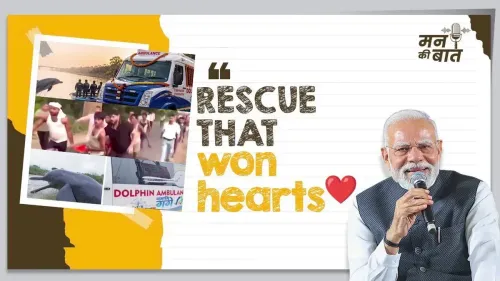
The post was made in the context of Mann Ki Baat , Prime Minister Modi's monthly radio programme.
Project Dolphin was announced by the Prime Minister in 2020 to conserve river and ocean dolphins alongside the Namami Gange programme.
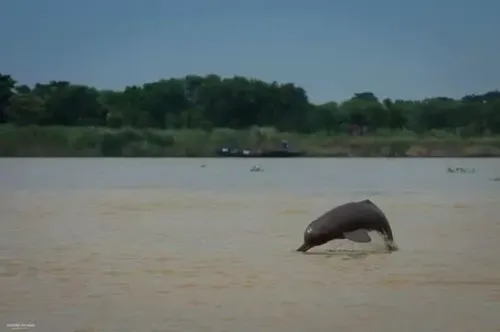
The Ganges river dolphin is India's national aquatic animal and is classified as an endangered species.
State-level deployment of rescue units and ministry guidelines on standard operating procedures are being watched by conservation groups.
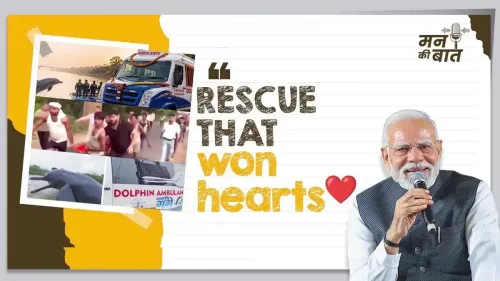
Union Environment Minister Bhupender Yadav on Sunday, 31 May 2026 drew public attention to a dedicated dolphin rescue ambulance, describing it as a mobile hospital designed to keep river dolphins safe during rescue and transit operations. The minister shared his remarks in the context of Mann Ki Baat, Prime Minister Narendra Modi's monthly radio programme.
Context
In his post, Minister Yadav wrote in Hindi: 'Dolphin rescue ambulance bahut khaas hai. Ise ek chalte-phirte aspatal ki tarah taiyaar kiya gaya hai. Isme Dolphin ko surakshit rakhne ki vyavastha hai.' ['The dolphin rescue ambulance is very special. It has been prepared like a mobile hospital. It has arrangements to keep the dolphin safe.'] The post was tagged with the #MannKiBaat hashtag, signalling that the facility was either discussed or highlighted during the programme.
The Ganges river dolphin — India's national aquatic animal — is classified as an endangered species and is found primarily in the Ganga, Brahmaputra, and Chambal river systems. Rescuing stranded or injured dolphins requires specialised equipment and on-site veterinary care, making a mobile facility of this kind a significant operational step.
Policy Backdrop
The dolphin rescue ambulance fits within the broader framework of Project Dolphin, the national conservation initiative announced by Prime Minister Narendra Modi in 2020 to protect river and ocean dolphins alongside river rejuvenation efforts. Project Dolphin runs in parallel with the Namami Gange programme, launched in 2014, which targets pollution reduction and ecological restoration of the Ganga river basin.
India has progressively linked species-specific rescue infrastructure with large-scale river basin programmes, extending terrestrial wildlife rescue models — already operational in several states — to aquatic species. A dedicated mobile unit for dolphins represents an evolution of that approach, bringing veterinary intervention directly to riverine habitats.
Stakeholders and Impact
The primary beneficiaries of such infrastructure are wildlife rescue teams and riverine communities who often serve as first responders when dolphins are found stranded or injured. A mobile hospital unit reduces the time between distress detection and medical intervention, which is critical for a species that cannot survive long outside water.
Conservation organisations working along the Ganga and its tributaries have long flagged the absence of rapid-response veterinary capacity as a gap in dolphin protection efforts. A purpose-built rescue ambulance directly addresses that operational shortfall.
What's Next
Attention will now turn to the roll-out schedule and state-level deployment of additional rescue units, particularly in Uttar Pradesh, Bihar, and Assam — states with significant dolphin populations. Any standard operating procedures issued by the Ministry of Environment, Forest and Climate Change for the ambulance's use will be closely watched by conservation groups. The mention on Mann Ki Baat is also likely to sustain political and public visibility for Project Dolphin in the months ahead.
Point of View
Reinforcing the BJP government's narrative of translating large-scale river programmes into on-the-ground operational infrastructure. The dolphin rescue ambulance, framed as a mobile hospital, signals a maturation of Project Dolphin from policy announcement to implementable field capacity. Linking aquatic species rescue to the well-established Namami Gange brand also helps sustain public and political attention for a programme that is now over five years old. The communication strategy suggests the ministry is keen to demonstrate tangible, visible outcomes ahead of any broader review of river conservation commitments.
NationPress
15 Oct 2026
Frequently Asked Questions
What is the dolphin rescue ambulance in India?
The dolphin rescue ambulance is a mobile facility designed like a hospital on wheels, equipped to rescue and provide immediate care to injured or stranded river dolphins, particularly the endangered Ganges river dolphin.
What is Project Dolphin India?
Project Dolphin is a national conservation initiative announced by Prime Minister Narendra Modi in 2020 to protect both river and ocean dolphins in India, complementing the Namami Gange river rejuvenation programme.
What did Bhupender Yadav say about the dolphin ambulance?
Minister Bhupender Yadav described the dolphin rescue ambulance as 'very special,' saying it has been prepared like a mobile hospital with arrangements to keep dolphins safe.
What is Mann Ki Baat and why is it relevant here?
Mann Ki Baat is a monthly radio programme by Prime Minister Narendra Modi that highlights citizen-centric governance initiatives; Minister Yadav's post used the programme's hashtag to draw attention to the dolphin rescue ambulance.
Where are Ganges river dolphins found in India?
Ganges river dolphins are found primarily in the Ganga, Brahmaputra, and Chambal river systems, with significant populations in Uttar Pradesh, Bihar, and Assam.