PM Modi Highlights UP Dolphin Rescue Ambulance on Mann Ki Baat
Synopsis
Prime Minister Narendra Modi used his 31 May 2026 Mann Ki Baat address to spotlight a Uttar Pradesh dolphin rescue ambulance, connecting local wildlife conservation to India's broader Namami Gange and Project Dolphin frameworks.
Key Takeaways
PM Modi praised a Uttar Pradesh dolphin rescue ambulance during Mann Ki Baat on 31 May 2026 .
The ambulance service rescues and rehabilitates aquatic mammals, including the Gangetic river dolphin , India's national aquatic animal.
Mann Ki Baat has been running since October 2014 as a monthly platform to highlight grassroots initiatives.
The initiative aligns with national programmes Namami Gange (2014) and Project Dolphin (2020).
Experts will watch whether other Ganges -basin states replicate the ambulance model following national recognition.
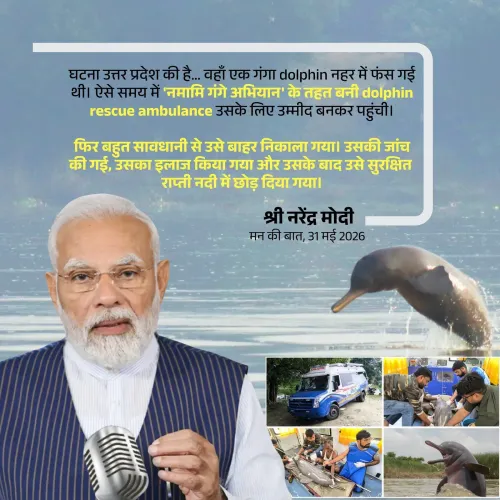
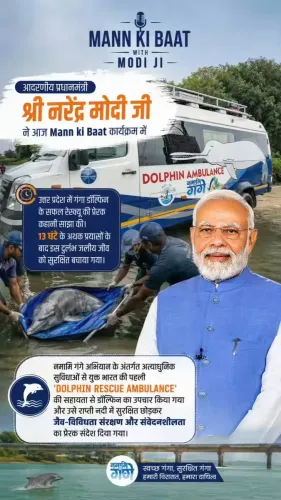
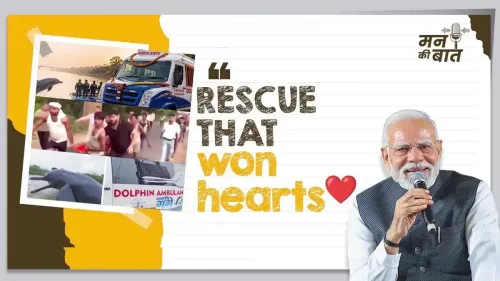
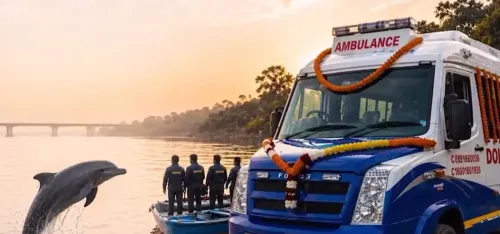
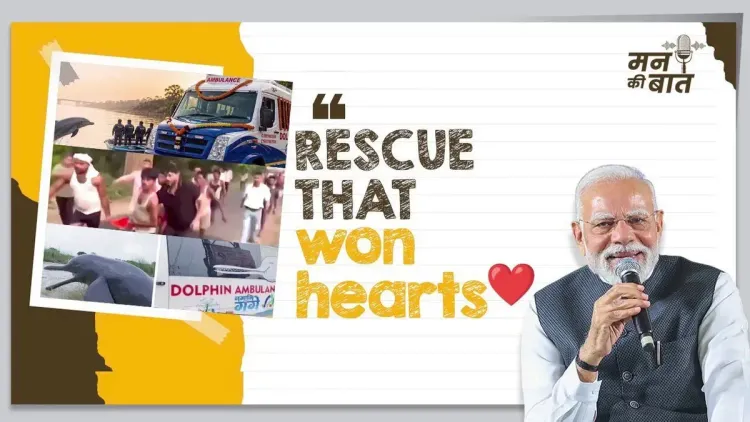
Prime Minister Narendra Modi on Sunday, 31 May 2026, highlighted a dolphin rescue ambulance operating in Uttar Pradesh during his monthly radio address, Mann Ki Baat, calling the initiative 'commendable work' and praising its message of caring for co-inhabitants of the planet.
Context
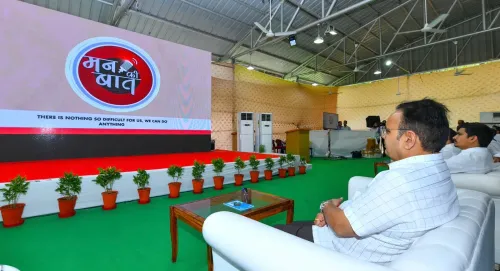
Mann Ki Baat, launched in October 2014, is Prime Minister Modi's monthly radio programme in which he spotlights grassroots initiatives across India on social, cultural and environmental themes. The 31 May 2026 episode drew attention to a state-level wildlife-rescue effort in Uttar Pradesh, framing it as an example of on-ground conservation in action.
The dolphin rescue ambulance is an Uttar Pradesh government initiative aimed at the rescue and rehabilitation of aquatic mammals, particularly the Gangetic river dolphin — India's national aquatic animal. The programme operates along riverine stretches of the state, which covers key portions of the Ganges river system.
Policy Backdrop
The initiative sits within a broader national framework for river-basin conservation. The Namami Gange programme, launched in 2014, was designed to clean the Ganges and protect its biodiversity, including the river dolphin. Project Dolphin, announced in 2020, further institutionalised conservation efforts for the species at the national level.
Prime Minister Modi has consistently used Mann Ki Baat to link local, small-scale environmental efforts to these larger national narratives. By highlighting the ambulance service, he reinforced the government's emphasis on species protection and community-level stewardship as complementary to top-down policy.
Stakeholders and Impact
Wildlife rescuers and riverine communities in Uttar Pradesh are the primary actors behind the ambulance service. Their work addresses the vulnerability of the Gangetic river dolphin, a Schedule I protected species under India's Wildlife Protection Act, which faces threats from habitat degradation, entanglement in fishing nets, and pollution.
The national visibility granted by Mann Ki Baat can translate into public awareness and, potentially, increased administrative support for such programmes. Modi's endorsement signals to other state governments that similar grassroots conservation models may receive recognition at the highest level.
What's Next
Conservationists and policy observers will watch whether other states in the Ganges basin — such as Bihar, Jharkhand, and West Bengal — move to replicate the dolphin rescue ambulance model following the national spotlight. Allocations in upcoming state budgets and future Mann Ki Baat episodes could indicate whether this recognition translates into sustained institutional support.
The broader implication is that India's river-dolphin conservation architecture, built on national programmes such as Namami Gange and Project Dolphin, may increasingly depend on exactly these kinds of decentralised, state-run emergency-response mechanisms to deliver results on the ground.
Point of View
' Modi also gestures toward India's broader international positioning on biodiversity and climate. The real test will be whether this recognition catalyses replication across other riparian states or remains a one-episode highlight.
NationPress
15 Oct 2026
Frequently Asked Questions
What is the dolphin rescue ambulance in Uttar Pradesh?
The dolphin rescue ambulance is a Uttar Pradesh government initiative that rescues and rehabilitates aquatic mammals, particularly the endangered Gangetic river dolphin , along the state's river stretches.
Why did PM Modi mention the dolphin ambulance on Mann Ki Baat?
PM Modi highlighted the service on Mann Ki Baat on 31 May 2026 to commend its conservation work and promote the message of coexisting responsibly with other species on the planet.
What is India's national aquatic animal?
The Gangetic river dolphin is India 's national aquatic animal, protected under Schedule I of the Wildlife Protection Act and the focus of the national Project Dolphin initiative announced in 2020 .
What is Project Dolphin in India?
Project Dolphin was announced by the Indian government in 2020 to conserve the Gangetic river dolphin , complementing the Namami Gange programme that has worked to clean the Ganges and protect its biodiversity since 2014 .
What is Mann Ki Baat?
Mann Ki Baat is a monthly radio address hosted by Prime Minister Narendra Modi since October 2014 , in which he discusses social, cultural, and environmental topics and spotlights citizen-led initiatives from across India .