Iran nuclear deal: Trump warns Tehran 'will never have a weapon'
Synopsis
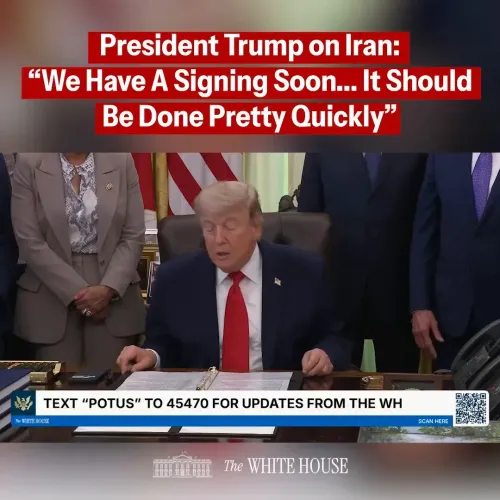
Trump told White House reporters on 5 June that Iran will 'never' get a nuclear weapon under any deal his administration signs — and that the US is prepared to win 'militarily' if diplomacy fails. With strikes on Iranian facilities already carried out and Tomahawk follow-ups confirmed, this is no longer just a negotiating posture.
Key Takeaways
President Donald Trump stated on 5 June that any US-Iran deal must permanently prevent Tehran from obtaining a nuclear weapon.
Trump said the US would prevail 'one way or the other — militarily or on paper.' He defended prior US military strikes on Iranian nuclear sites, claiming facilities are now 'entombed.' Trump sharply criticised the Obama-era JCPOA , calling it 'a road to a nuclear weapon.' He left open the possibility of meeting Iran's new Supreme Leader if a deal is in prospect.
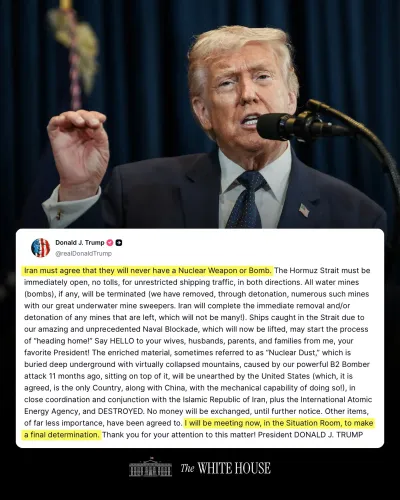
The Strait of Hormuz — a key global oil chokepoint — was cited as a regional security flashpoint in the talks.
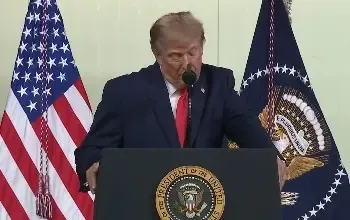
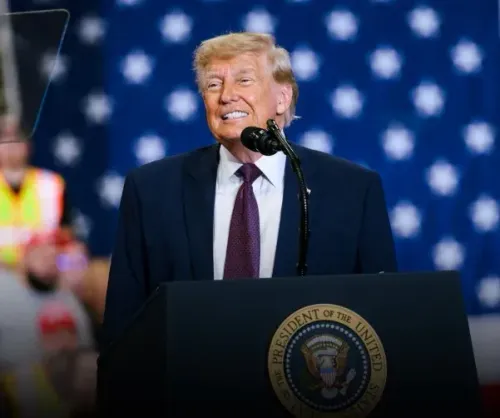
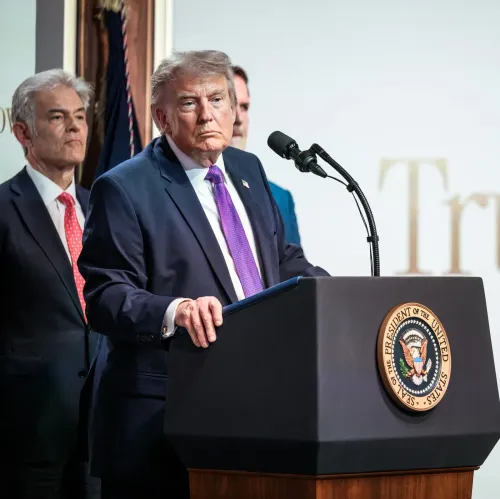
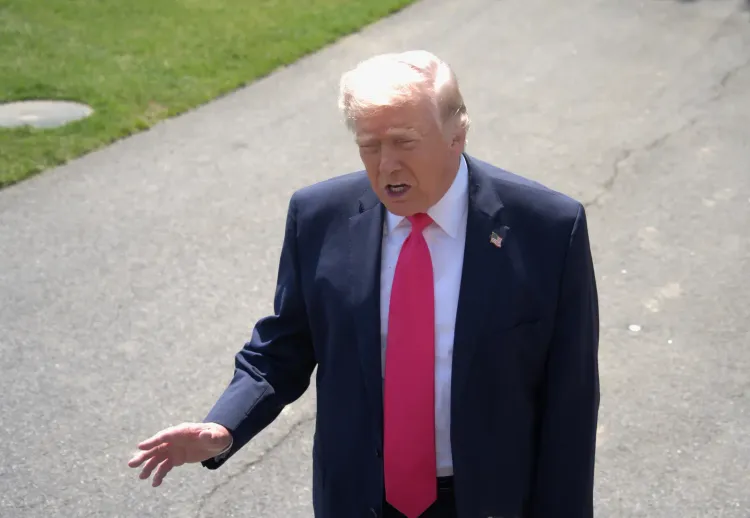
US President Donald Trump on Thursday, 5 June declared that any agreement reached with Iran must permanently bar Tehran from acquiring a nuclear weapon, while signalling that Washington was prepared to prevail 'one way or the other' — diplomatically or militarily. The remarks, made to reporters at the White House, underscored the administration's position as nuclear negotiations with Iran continue.
Core Demand: No Nuclear Weapon, Ever
Trump was unequivocal on the central condition of any prospective deal. 'The main parts of the deal is they can't have a nuclear weapon,' he told reporters. 'Our deal, if we make that deal — and it's going well, but who knows — if we make that deal, it's the exact opposite. They will not have — they will never have a nuclear weapon.'
He added that the position enjoyed near-universal support: 'You cannot let Iran have a nuclear weapon. And everybody agrees to that, no matter — almost everybody.'
Contrast With the Obama-Era Nuclear Accord
Trump sharply criticised the 2015 Joint Comprehensive Plan of Action (JCPOA), the nuclear accord negotiated under former President Barack Obama, which Trump unilaterally withdrew from during his first term. 'Obama picked the wrong country,' he said. 'The Obama deal, I terminated that, or they would have had a nuclear — that was a road to a nuclear weapon.'
This framing positions the current negotiations as a structural departure from the JCPOA's architecture, which critics had long argued left Iran with a residual enrichment capability.
Military Strikes and Surveillance
Trump also defended prior US military strikes on Iranian nuclear facilities, asserting they had been devastatingly effective. 'We attacked their nuclear sites, and they were obliterated,' he said, adding that the nuclear material is now 'entombed' and under close surveillance. He noted that follow-up Tomahawk missile strikes had reinforced the damage.
When asked whether the US would respond militarily if American troops were killed by Iran, Trump replied: 'If they kill US troops, I think I would do that very quickly.'
Diplomacy Still on the Table
Despite the hawkish tone, Trump indicated that diplomatic engagement with Iran's new leadership remained a possibility. Asked about a potential meeting with Iran's new Supreme Leader, he said: 'I don't want to meet, but if I did meet, I'd be honoured to meet him. I'd like to see if we make a deal.'
On the Strait of Hormuz — a critical global energy chokepoint through which a significant share of world oil shipments pass — Trump said the US had sought European support for freedom of navigation but stressed that Washington could act independently. 'We don't need their help,' he said. 'We're the most powerful military in the world.'
What Comes Next
Diplomatic efforts to reach a long-term arrangement on Iran's nuclear programme are reportedly continuing. The fate of the Strait of Hormuz and regional security arrangements are expected to feature prominently in any final framework. Whether talks produce a binding agreement or give way to further military pressure remains, by Trump's own assessment, an open question.
Point of View
A detail that hardens the military baseline. The contrast with the JCPOA is rhetorically convenient but strategically thin: the Obama deal's core weakness was sunset clauses, not the choice of country. Any durable agreement will face the same structural problem — verification and permanence — that Trump has not yet publicly resolved. The Strait of Hormuz reference signals that energy security, not just non-proliferation, is on the table, which broadens the negotiation but also multiplies the points of failure.
NationPress
21 Oct 2026
Frequently Asked Questions
What is Trump's position on Iran having a nuclear weapon?
Trump has stated categorically that Iran will 'never have a nuclear weapon' under any deal his administration concludes. He described denuclearisation as the central, non-negotiable objective of ongoing US-Iran negotiations.
Are the US and Iran currently in nuclear talks?
Yes, according to Trump's remarks on 5 June, the United States remains engaged in negotiations with Iran. Trump described the talks as 'going well' but acknowledged uncertainty about whether a deal would be reached.
What did Trump say about US military strikes on Iran's nuclear sites?
Trump confirmed that the US had struck Iranian nuclear facilities and described them as 'obliterated' and 'entombed,' adding that Tomahawk missiles were used in follow-up strikes. He said the sites remain under close surveillance.
How does Trump's approach differ from the Obama-era Iran nuclear deal?
Trump terminated the 2015 JCPOA during his first term, arguing it was 'a road to a nuclear weapon.' He contends his approach, by contrast, would permanently prevent Iran from developing nuclear weapons rather than merely delaying the programme.
What is the significance of the Strait of Hormuz in these negotiations?
The Strait of Hormuz is one of the world's most critical energy chokepoints, carrying a large share of global oil shipments. Trump indicated that freedom of navigation through the strait is part of the broader regional security agenda in US-Iran talks, and said the US could act independently to keep it open if needed.