Trump Calls New Economic Move 'Most Crushing Ever'
Synopsis
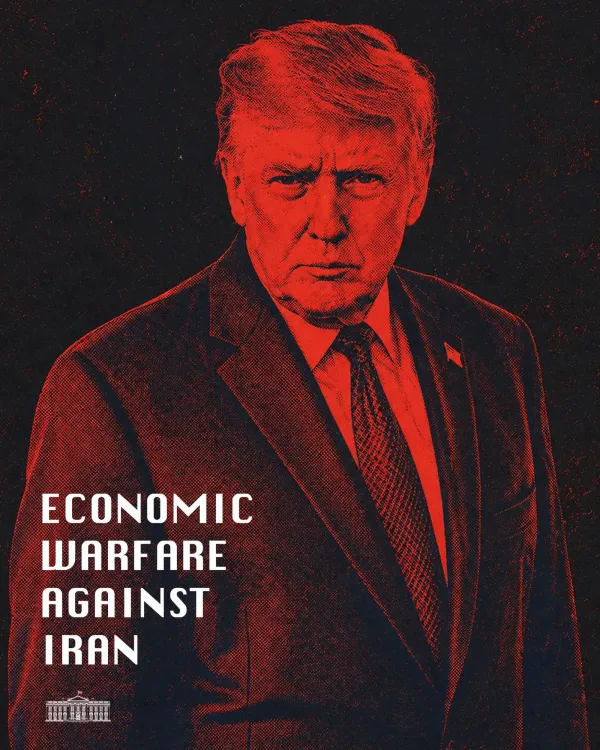
The White House amplified President Trump's declaration of 'the most crushing economic operation ever taken against any country,' signalling a historic escalation of US maximum-pressure economic statecraft. The targeted nation was not named. Further executive actions are expected.
Key Takeaways
Trump declared on August 20, 2026 that the US has launched what he calls the most crushing economic operation ever directed at any country.
The White House amplified the statement via its official X account, lending it the weight of an official executive communication.
No specific target country was named in the post, leaving the identity of the affected nation a central open question.
Trump's first term saw tariffs on over $360 billion in Chinese imports, plus sweeping sanctions on Iran and Russia — the new measure is framed as surpassing all of those.
The US maximum-pressure toolkit includes export controls, secondary sanctions, asset freezes, SWIFT exclusions, and broad tariff walls — any combination could severely impact the targeted economy.
For India , the measures carry layered implications given New Delhi's trade and strategic ties with countries historically targeted by US economic pressure campaigns.
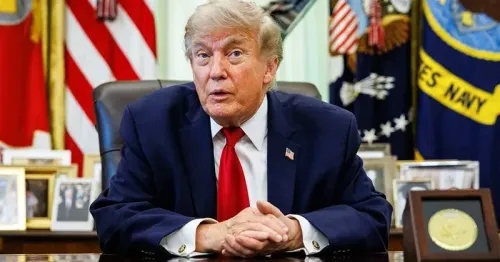
A declaration of economic war — in capital letters. The White House on Thursday, August 20, 2026, amplified a statement from President Donald J. Trump describing a sweeping economic operation as 'THE MOST CRUSHING ECONOMIC OPERATION EVER TAKEN AGAINST ANY COUNTRY,' signalling the administration is deploying its most aggressive pressure toolkit yet against an unnamed target nation.
Trump's Maximum-Pressure Playbook, Turned Up to Maximum
The language is deliberate and designed to land hard. Trump's use of all-caps superlatives — a signature rhetorical device — is not incidental: it frames the measure as historically unprecedented, a benchmark against which all prior economic coercion must be measured. The administration offered no specifics in the post itself, but the framing tracks directly with a doctrine the Trump White House has pursued across two terms: unilateral economic force as the first instrument of foreign policy, not the last.
During Trump's first term (2017–2021), the administration imposed tariffs on more than $360 billion worth of Chinese imports, launched sweeping sanctions on Iran, and tightened economic pressure on Russia. Each of those campaigns was framed at the time as decisive and historic. The August 2026 statement suggests the current administration believes it has now surpassed all of those in scale or severity.
What 'Crushing' Means in Washington's Economic Arsenal
The toolkit available to a US president under maximum-pressure doctrine is formidable: export controls that cut off access to American semiconductors and technology, secondary sanctions that threaten third-country firms doing business with the target, asset freezes, SWIFT exclusions, and across-the-board tariff walls. Any one of these, applied at scale, can cripple a mid-sized economy. A combination — if that is what the administration is signalling — would represent a qualitative escalation beyond anything deployed in recent memory.
The targeted country has not been named in the White House post. The research background flags China, Iran, and Russia as the three economies most frequently in Washington's crosshairs under Trump-era economic statecraft. Which of them — or whether a new actor — is in the frame here remains the central open question.
Why the World Is Watching the Fine Print
For India, the stakes are layered. New Delhi maintains active trade and strategic ties with all three of the economies historically targeted by US maximum-pressure campaigns, and any sweeping new sanctions architecture typically forces third countries to choose sides — or absorb collateral damage. Indian exporters, energy importers, and financial institutions have navigated this terrain before; the scale of what Trump is now describing will determine how sharp those choices become this time.
The administration has signalled that further executive actions and expanded measures are expected in the weeks ahead. The specifics — the named target, the legal instruments, the effective dates — will determine whether this is the most consequential economic move of the Trump era, or a rhetorical opening bid.
History will be the judge. But Washington just told the world it intends to set the record.
Point of View
The unnamed target is everything: if it is a major economy, the ripple effects on supply chains, energy markets, and dollar-denominated trade could be felt far beyond Washington and the target capital. For India specifically, the move revives a familiar dilemma — how to protect strategic autonomy while managing exposure to a US sanctions architecture that increasingly tolerates no middle ground. The rhetoric may be a negotiating opening; the executive actions that follow will reveal whether it is.
NationPress
5 Oct 2026
Frequently Asked Questions
What economic operation did Trump announce in August 2026?
President Trump declared that the US had launched what he described as 'the most crushing economic operation ever taken against any country,' though the specific measures and the targeted nation were not named in the White House post.
Which country is Trump targeting with the new economic measures?
The White House post did not name the target country. Historically, Trump-era maximum-pressure campaigns have focused on China, Iran, and Russia, but the identity of the country in this instance has not been officially confirmed.
How does this compare to Trump's earlier trade wars and sanctions?
Trump's first term included tariffs on over $360 billion in Chinese imports and sweeping sanctions on Iran and Russia. The August 2026 statement explicitly frames the new operation as surpassing all previous US economic pressure campaigns in severity.
What tools can the US use in a maximum-pressure economic campaign?
The US arsenal includes across-the-board tariffs, export controls on technology and semiconductors, secondary sanctions on third-country firms, asset freezes, and exclusion from the SWIFT financial messaging system — any combination of which can severely damage a targeted economy.
How does this affect India?
India maintains trade and strategic ties with countries historically targeted by US economic pressure, including China, Iran, and Russia. A sweeping new US sanctions regime typically forces third countries to limit dealings with the target or risk secondary sanctions, creating difficult choices for Indian businesses and policymakers.