Trump Engages Netanyahu on Iran Ceasefire Agreement, White House Reveals
Synopsis
In a significant diplomatic move, US President Donald Trump has communicated with Israeli Prime Minister Netanyahu and Pakistan's Army Chief Munir to finalize a ceasefire framework with Iran. This pause allows for critical negotiations regarding the Strait of Hormuz, highlighting the intricate dynamics of Middle Eastern diplomacy.
Key Takeaways
Trump's discussions with Netanyahu and Munir focused on a ceasefire with Iran.
A two-week pause on military actions against Iran has been announced.
Iran may accept the pause under certain conditions.
Pakistan is actively mediating between the US and Iran.
The Strait of Hormuz remains a critical focal point in these negotiations.
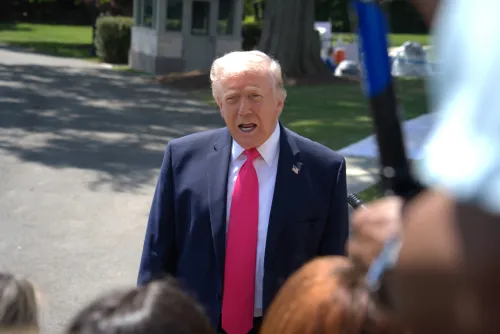
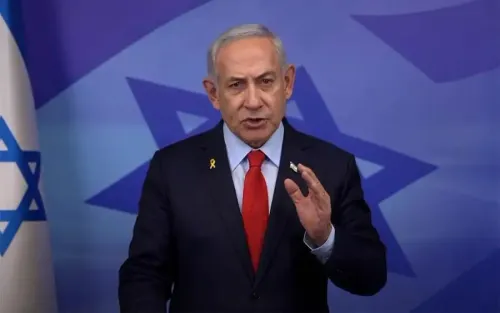
On April 8, in Washington (NationPress), US President Donald Trump engaged in discussions with Israeli Prime Minister Benjamin Netanyahu to finalize a ceasefire agreement concerning Iran, according to a White House representative who spoke to IANS.
The source further reported that Trump also connected with Pakistani Army Chief Field Marshal Asim Munir in relation to the same issue.
"President Trump had conversations with PM Netanyahu and the Pakistani Field Marshal to finalize the agreement," the senior official from the Trump administration disclosed to IANS.
Specifics regarding the discussions were not disclosed.
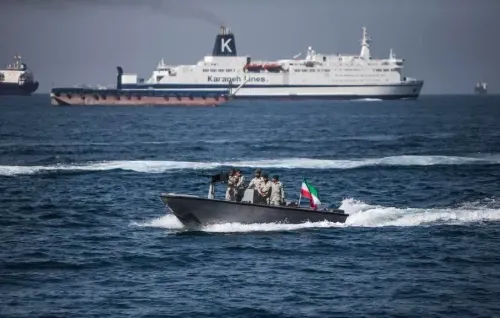
These communications occurred as the United States decided to temporarily halt planned military actions against Iran, creating a two-week opportunity for talks aimed at reopening the Strait of Hormuz.
Trump announced a two-week suspension of attacks, contingent upon Iran's commitment to the "complete, immediate, and safe" reopening of this crucial shipping lane.
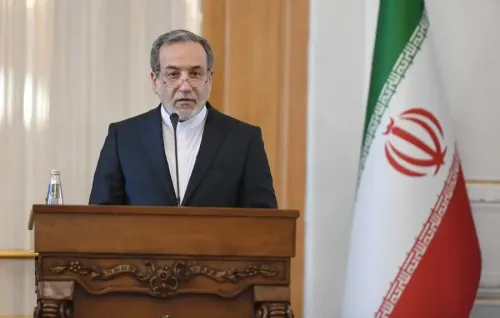
Iran indicated it might accept the pause under certain conditions, stating it would cease its operations if attacks were stopped, thereby allowing for limited secure navigation through the strait during this timeframe.
A White House official confirmed that Israel had concurred with the two-week pause, aligning its strategy with that of the US as efforts to stabilize the region intensified.
Pakistan has also been proactively involved in diplomatic initiatives, with its leadership mediating between both parties as discussions unfolded ahead of the deadline set by Trump.
The administration framed this pause as part of a larger strategy following military engagements.
According to White House Press Secretary Karoline Leavitt, "This is a triumph for the United States achieved through the efforts of President Trump and our remarkable military," she posted on X.
"From the outset of Operation Epic Fury, President Trump anticipated this would be a 4-6 week operation," she added.
"Thanks to the extraordinary capabilities of our forces, we have accomplished and surpassed our key military objectives in just 38 days."
Leavitt emphasized that the military campaign established a context conducive to negotiations.
"The success of our military efforts created maximum leverage, enabling President Trump and his team to engage in rigorous negotiations that have now paved the way for a diplomatic resolution and long-term peace," she stated.
Additionally, she highlighted the reopening of the Strait of Hormuz as a significant outcome.
Earlier, Trump mentioned that the United States had received a proposal from Iran and that "almost all" contentious points had been agreed upon, describing it as a viable foundation for negotiations.
The two-week pause aims to provide sufficient time to finalize a more comprehensive agreement while discussions continue.
The White House has indicated that further information regarding the operation and ongoing negotiations will be disclosed separately.
Point of View
It's crucial to understand the broader implications of President Trump's recent conversations with key leaders regarding a ceasefire with Iran. This strategic approach signals a potential turning point in US foreign policy, emphasizing the importance of diplomatic engagement in maintaining regional stability. The involvement of Pakistan further illustrates the complexities of international relations in this context.
NationPress
10 Oct 2026
Frequently Asked Questions
What was the purpose of Trump's discussions with Netanyahu?
The discussions aimed to finalize a ceasefire framework with Iran.
What did Trump announce regarding military actions against Iran?
Trump announced a two-week pause on planned military strikes against Iran.
How did Iran respond to the proposed pause?
Iran signaled conditional acceptance, stating it would halt operations if attacks stopped.
What role did Pakistan play in this diplomatic effort?
Pakistan's leadership engaged with both the US and Iran to facilitate discussions.
What is the significance of the Strait of Hormuz in this context?
The Strait of Hormuz is a crucial shipping lane, and its reopening is vital for international trade.