Trump notifies Congress of renewed Iran strikes after Strait of Hormuz attacks
Synopsis
Just weeks after signing a diplomatic MOU with Iran, the US resumed airstrikes on 7 July 2026 — targeting missile sites, air defences, and naval assets inside Iran — after Tehran allegedly attacked neutral commercial vessels in the Strait of Hormuz. Trump's War Powers notification to Congress warns that further military action remains on the table.
Key Takeaways
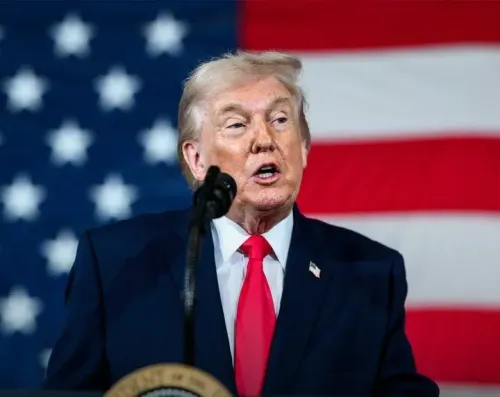
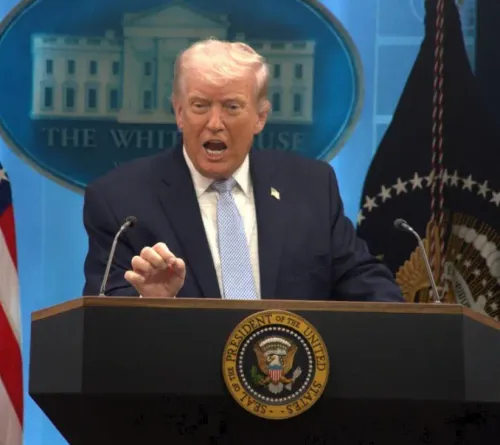
US President Donald Trump notified Congress on 10 July 2026 that American forces launched strikes against Iran on 7 July 2026 .
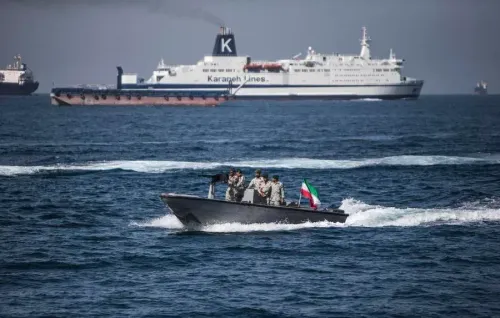
The trigger was Iran's alleged attacks on neutral-flagged commercial vessels in the Strait of Hormuz on 6–7 July , violating a Memorandum of Understanding signed on 17 June 2026 .
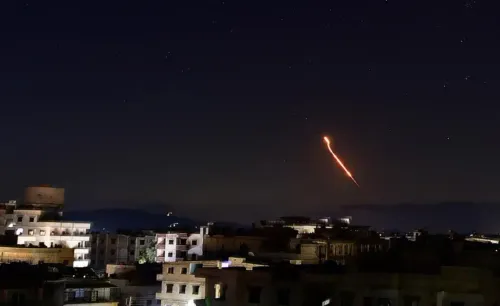
US strikes targeted missile launch sites, air defences, military maritime assets, and command-and-control infrastructure inside Iran.
Trump confirmed no US ground forces are involved; strikes were described as 'limited' and 'measured.' The President warned that US forces 'remain postured to take further action' if Iran continues to pose a threat.
The notification comes as Congress debates its role in authorising military action against Iran under the War Powers Resolution .
US President Donald Trump has formally notified Congress that American forces resumed military operations against Iran on 7 July 2026, citing Tehran's alleged attacks on commercial vessels in the Strait of Hormuz despite a ceasefire and a diplomatic agreement signed the previous month. The notification, delivered in a letter dated 10 July to congressional leaders under the War Powers Resolution, marks a significant escalation in the months-long standoff between Washington and Tehran.
What Triggered the Renewed Strikes
According to Trump's letter, a Memorandum of Understanding (MOU) signed on 17 June 2026 required Iran to use its best efforts to ensure the safe passage of commercial vessels from the Persian Gulf to the Seas of Oman. Trump said Iran violated that commitment when it 'again attacked several neutral-flagged commercial vessels transiting the Strait of Hormuz between July 6–7, 2026.' The renewed strikes followed an earlier ceasefire ordered in April and what the White House described as subsequent good-faith diplomatic engagement.
Nature and Scope of US Military Action
Trump said he directed US Armed Forces to carry out 'defensive strikes' targeting missile launch sites, air defences, military maritime assets, military support infrastructure, and command-and-control capabilities inside Iran. He emphasised that no US ground forces were involved and that the operations were 'limited, measured, planned, and executed in a manner designed to minimize civilian casualties.' The strikes were described as aimed specifically at military capabilities threatening US forces, regional allies, and commercial shipping through the strait.
Warning of Further Action
The President made clear that military operations may not be over. In his letter, Trump wrote that US Armed Forces 'remain postured to take further action, as necessary and appropriate, to address further threats and attacks upon the United States or its allies and partners.' He added that the objective is to ensure Iran 'ceases being a threat to the United States and to our allies and partners.' Trump said he acted under his constitutional authority as Commander in Chief in ordering the strikes.
Congressional Debate Over War Powers
The White House notification arrives as lawmakers continue to debate Congress' role in formally authorising military action against Iran. The War Powers Resolution requires the President to notify Congress within 48 hours of committing US forces to hostilities, though disputes over the scope of executive war-making authority have persisted across administrations. This is at least the second distinct phase of US military engagement with Iran in 2026, following the April ceasefire and the June diplomatic agreement. Notably, the MOU's apparent collapse within weeks of signing raises serious questions about the durability of any future negotiated framework with Tehran.
Point of View
It raises hard questions about Washington's leverage and Tehran's intentions. The 'defensive strikes' framing is legally and politically convenient, but the pattern — ceasefire in April, MOU in June, renewed strikes in July — suggests a cycle rather than a strategy. Congress's ongoing debate over war authorisation is not merely procedural; without a formal AUMF, each escalation rests on executive authority alone, leaving accountability diffuse and oversight weak.
NationPress
14 Jul 2026
Frequently Asked Questions
Why did the US strike Iran in July 2026?
The US launched strikes on 7 July 2026 after Iran allegedly attacked neutral-flagged commercial vessels in the Strait of Hormuz, violating a Memorandum of Understanding signed on 17 June 2026 that required Iran to ensure safe passage of commercial ships. President Trump described the military action as 'defensive strikes' in response to Iran's breach of the diplomatic agreement.
What did the US target in the Iran strikes?
According to Trump's letter to Congress, US forces targeted missile launch sites, air defence systems, military maritime assets, military support infrastructure, and command-and-control capabilities inside Iran. The President specified that no US ground forces were involved and that the operations were designed to minimise civilian casualties.
What is the War Powers Resolution and why does it matter here?
The War Powers Resolution is a US federal law requiring the President to notify Congress within 48 hours of committing American forces to hostilities. Trump's 10 July letter fulfils that requirement, but it does not constitute formal congressional authorisation for war — a distinction at the centre of ongoing debate on Capitol Hill over the extent of executive military authority.
What was the June 2026 MOU between the US and Iran?
The Memorandum of Understanding, signed on 17 June 2026, required Iran to use its best efforts to guarantee the safe passage of commercial vessels from the Persian Gulf to the Seas of Oman. According to Trump's notification, Iran violated this commitment within weeks by attacking commercial ships in the Strait of Hormuz on 6–7 July 2026.
Could the US launch more strikes on Iran?
Yes, according to Trump's letter. He stated that US Armed Forces 'remain postured to take further action, as necessary and appropriate,' and that the objective is to ensure Iran ceases posing a threat to the US and its allies. The language signals that the current phase of military engagement may not be concluded.