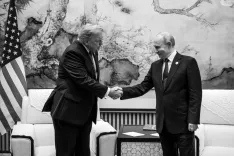
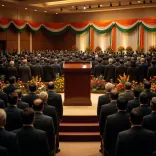
Trump opposes AI regulation at APEC Shenzhen, warns of 'bad elements'
Synopsis
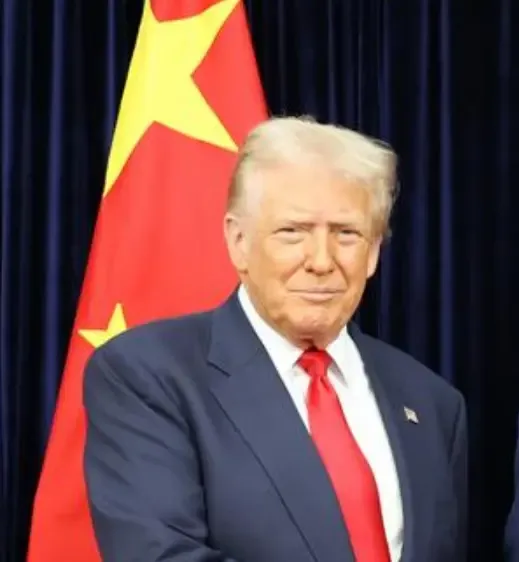
At the APEC summit in Shenzhen, Trump declared the US will resist any 'robust regulation' of what he called 'super intelligence' — even as he acknowledged AI's risks. With Xi Jinping pitching regional AI cooperation and the IMF weighing in on its economic impact, the summit has turned into a live global debate on who governs the world's most consequential technology.
Key Takeaways
President Trump at the APEC summit in Shenzhen on 19 November 2026 declared US opposition to any 'robust regulation' of artificial intelligence.
Trump called AI 'super intelligence' and acknowledged it has 'bad elements' requiring careful management, but ruled out stifling controls.
Chinese President Xi Jinping urged wider AI adoption and stronger APEC cooperation on digital infrastructure and data governance.
China announced a $20 million contribution to fund APEC institutions covering digital technology, clean energy, and small-business development.
The IMF managing director addressed AI's macroeconomic impact at the same plenary session.
APEC operates on voluntary consensus — the remarks carry no binding force for member economies.
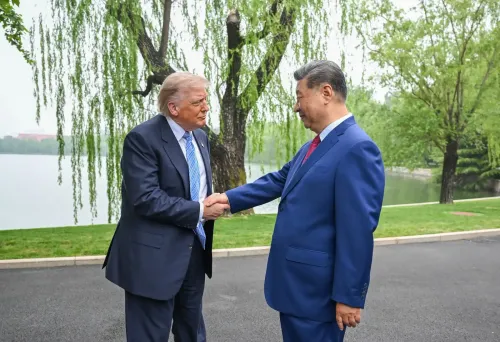
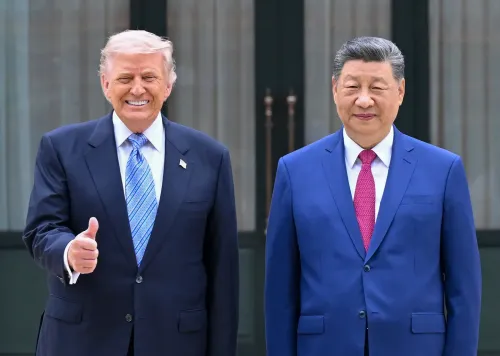
US President Donald Trump on Thursday, 19 November 2026, came out strongly against stringent regulation of artificial intelligence at the Asia-Pacific Economic Cooperation (APEC) leaders' summit in Shenzhen, China, declaring that Washington would resist any measures that stifle the technology's development even as he acknowledged its risks.
What Trump Said
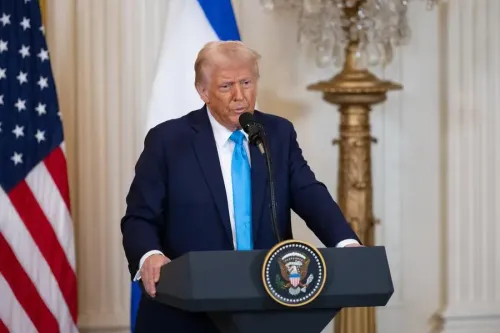
Speaking at the APEC leaders' plenary session, Trump referred to artificial intelligence as 'super intelligence', according to White House press pool reports. 'It's almost completely good, but it's got some bad elements, and we have to be very careful in managing those bad elements,' he said.
'So we oppose any form of robust regulation or anything to control and stifle SI, and we won't allow that to happen, frankly,' Trump added. The remarks signal a clear US policy posture heading into multilateral discussions on AI governance, though the pool excerpts did not identify any new executive action, legislative proposal, or specific rule slated for withdrawal.
Xi Jinping's Counter-Message
Chinese President Xi Jinping also placed artificial intelligence at the centre of his economic address to the gathering, advocating for wider adoption and stronger regional cooperation on digital infrastructure and data governance. 'The digital economy and artificial intelligence (AI) are the engines of innovation-driven growth,' Xi said.
Xi urged APEC economies to improve cross-border data flows and encourage AI-driven industrial upgrades. He also announced that China would contribute $20 million to support APEC cooperation, funding institutions working on digital technology, cross-border data flows, clean energy, and small-business development.
IMF's Input and the APEC Framework
The plenary session also heard an economic overview from the International Monetary Fund (IMF)'s managing director, touching on AI's macroeconomic impact, according to the pool. Notably, APEC operates through voluntary commitments and consensus — individual leaders' remarks at its meetings do not, by themselves, constitute binding agreements among its 21 member economies.
What This Means for Global AI Governance
The juxtaposition of Trump's deregulatory stance and Xi's cooperative-but-state-led framing encapsulates the fault lines in global AI policy. The European Union has already enacted binding AI legislation, while the US under Trump appears to be pivoting toward a permissive regulatory environment that prioritises innovation over oversight. This comes amid growing debate among policymakers, technologists, and civil society over how to manage AI-related risks — from disinformation to autonomous systems — without curbing productivity gains. India and other APEC economies will need to navigate between these competing frameworks as they develop their own AI governance models.
Point of View
The US under Trump is effectively declaring a third lane — permissive, innovation-first, and openly hostile to multilateral oversight. The contradiction in his remarks — 'bad elements' exist, but no controls allowed — is precisely the tension that every AI governance debate has failed to resolve. What is missing from the APEC framing is any discussion of accountability mechanisms; voluntary cooperation and trillion-dollar competition rarely produce binding safety floors. For India and smaller APEC economies caught between Washington and Beijing, the absence of a neutral regulatory anchor is now a governance risk in itself.
NationPress
19 Nov 2026
Frequently Asked Questions
What did President Trump say about AI regulation at APEC 2026?
Trump said the US opposes any form of 'robust regulation' that would 'control and stifle' artificial intelligence, which he called 'super intelligence.' He acknowledged AI has 'bad elements' requiring careful management but made clear Washington would not permit restrictive measures.
Where was the APEC 2026 leaders' summit held?
The APEC leaders' plenary was held in Shenzhen, China. It brought together heads of government from APEC's 21 member economies to discuss economic cooperation, digital governance, and AI.
What did Xi Jinping announce at APEC regarding AI?
Xi Jinping called AI and the digital economy 'engines of innovation-driven growth' and urged APEC members to improve cross-border data flows and use AI to upgrade industries. China also pledged $20 million to fund APEC cooperation institutions covering digital technology and clean energy.
Are Trump's APEC remarks binding on other countries?
No. APEC operates through voluntary commitments and consensus, so individual leaders' statements at its meetings do not constitute binding agreements among member economies.
How does Trump's AI stance differ from the EU and China?
The EU has enacted binding AI legislation with mandatory compliance requirements. China advocates state-guided AI adoption with regional digital cooperation. Trump's US is positioning for a deregulatory, innovation-first approach that resists multilateral oversight frameworks.