Trump rejects Iran peace proposal over nuclear program terms: Report
Synopsis
Trump is reportedly unwilling to accept Iran's latest peace overture, which sidesteps the nuclear question entirely — the one red line Washington has consistently refused to budge on. With the Strait of Hormuz still under blockade, Islamabad talks collapsed, and Tehran now consulting Moscow, the path to a deal looks narrower than ever.
Key Takeaways
Trump is reportedly dissatisfied with Iran's latest peace proposal, discussed at the White House Situation Room on 28 April .
Iran's proposal seeks to reopen the Strait of Hormuz and end the US naval blockade , while deferring nuclear negotiations.
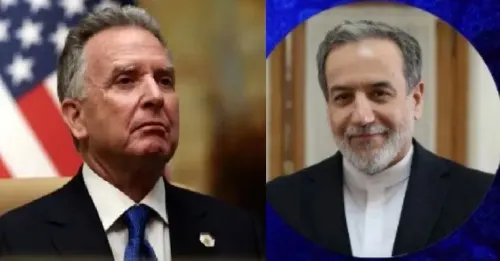
Secretary of State Marco Rubio called the proposal better than expected but insisted any deal must bar Tehran from developing nuclear weapons.
Iranian Foreign Minister Araghchi blamed slow diplomatic progress on US 'destructive habits' during a meeting with Putin in Saint Petersburg .
A ceasefire was reached on 8 April ; subsequent talks in Islamabad collapsed, and a fresh round of negotiations last week did not take place.
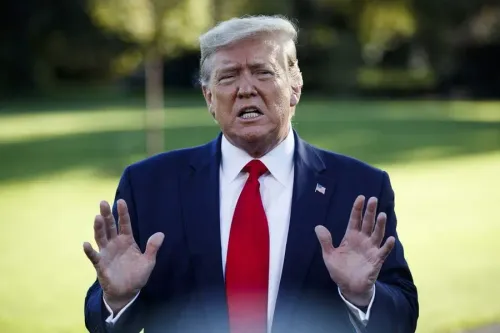
US President Donald Trump is reportedly dissatisfied with Iran's latest peace proposal, which seeks to reopen the Strait of Hormuz and end the US naval blockade of Iranian ports while deferring nuclear program negotiations to a later stage, according to US media reports citing several White House officials on 28 April.
What Iran Proposed
Iran's proposal, delivered to the United States over the last few days, reportedly calls for reopening the Strait of Hormuz and lifting the US naval blockade on its ports as immediate steps, with the nuclear question set aside for future negotiations. The offer was discussed by Trump and his top national security officials during a meeting at the White House Situation Room on Monday afternoon.
One attendee of the meeting told US media that Trump was not likely to accept the proposal. A US official told The New York Times that accepting it could appear to deny Trump a victory, given that the president has repeatedly insisted that Iran cannot be permitted to develop nuclear weapons.
What Washington Said
US Secretary of State Marco Rubio, speaking to Fox News on Monday, acknowledged that Iran's new proposal
Point of View
Not tactical: Washington insists on nuclear disarmament as a precondition, while Tehran is offering it as a later-stage concession — a gap that no amount of back-channel diplomacy can easily bridge. Notably, Iran's decision to brief Russia's Putin before its next move signals that Tehran is internationalising the negotiation, potentially to complicate a bilateral US-Iran framework. The Strait of Hormuz remains the real leverage point; as long as the blockade holds and energy markets feel pressure, both sides have incentives to talk — but not necessarily to agree. Rubio's cautious acknowledgement that the proposal is 'better than expected' may be the only opening left.
NationPress
18 Sept 2026
Frequently Asked Questions
Why is Trump dissatisfied with Iran's peace proposal?
Trump is reportedly unwilling to accept Iran's proposal because it defers the nuclear question to later negotiations, while he has repeatedly insisted that Iran cannot develop nuclear weapons. A US official told The New York Times that accepting the proposal could appear to deny Trump a political victory.
What does Iran's peace proposal include?
Iran's proposal calls for reopening the Strait of Hormuz and ending the US naval blockade on its ports as immediate steps, while leaving the nuclear program to be addressed in future negotiations. It was delivered to the United States over the last few days, according to reports.
What did Secretary of State Marco Rubio say about the proposal?
Rubio told Fox News on Monday that Iran's new proposal is 'better than what we thought they were going to submit,' but stressed that any deal must categorically bar Tehran from developing a nuclear weapon.
What is the current status of US-Iran peace talks?
Talks held in Islamabad, Pakistan, following the 8 April ceasefire failed to produce an agreement. A fresh round of negotiations reportedly scheduled last week did not take place, with Iran citing the US naval blockade and excessive demands as reasons for not attending.
Why did Iran meet with Russia's Putin amid the negotiations?
Iranian Foreign Minister Araghchi met Russian President Putin in Saint Petersburg on Monday to discuss the diplomatic process. Iran used the occasion to blame the slow progress on US 'destructive habits,' including what it described as unreasonable demands and broken promises.