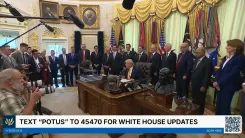
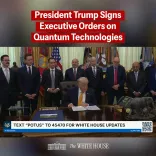
Trump Signs Executive Orders on June 22, 2026

Synopsis
President Donald Trump signed executive orders on June 22, 2026, the White House confirmed. The orders direct federal agencies across the executive branch. Specific details of the orders are pending official release. The move continues a long-standing presidential practice of using executive authority during periods of legislative complexity.
Key Takeaways
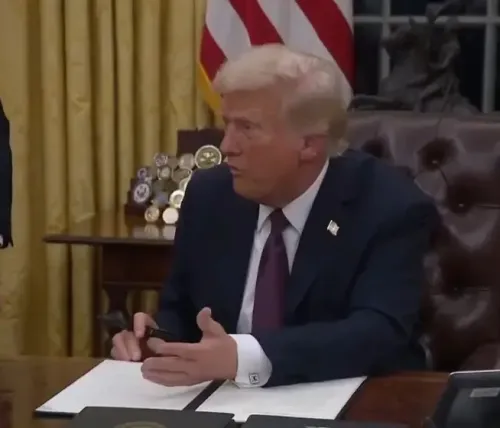
President Donald Trump signed executive orders on Monday, June 22, 2026 , confirmed by The White House via official channels.
The specific content and number of the orders were not disclosed in the announcement.
Executive orders carry the force of law within the executive branch and do not require congressional approval.
Federal agencies are responsible for implementing the directives and are expected to issue guidance following the signing.
The full text of the orders is expected to be published through official federal channels.
Both American political parties have historically used executive orders to advance policy goals during periods of legislative gridlock.
President Donald Trump signed a series of executive orders on Monday, June 22, 2026, according to an official announcement from The White House. The orders were confirmed via the administration's official communications channel, signalling continued use of executive authority to direct federal policy.
Context
Executive orders carry the force of law within the executive branch and allow a sitting president to direct federal agencies without requiring congressional approval. President Trump, who previously served as the 45th President of the United States from 2017 to 2021, has returned to the White House and continued the practice of issuing executive directives to shape administration priorities.
The announcement on June 22 did not specify the number of orders signed or their subject matter. The full text of the orders is expected to be published through official federal channels following the signing ceremony.
Policy Backdrop
The use of executive orders has been a consistent feature of presidential governance across administrations, particularly during periods when the legislative agenda faces delays or gridlock in Congress. Both major American political parties have relied on this mechanism to advance policy goals at the executive level.
Since 2017, executive orders have addressed a wide range of federal priorities — from immigration and trade to national security and regulatory reform. The current administration's use of this tool reflects a broader pattern of presidents seeking to act swiftly on key issues through direct executive action.
Stakeholders and Impact
Federal agencies are the primary stakeholders in any executive order, as they are responsible for implementing the directives issued by the president. Depending on the scope of the orders signed on June 22, 2026, the impact could span multiple departments and affect policy areas ranging from domestic regulation to foreign affairs.
For Indian observers and businesses with interests tied to United States federal policy — including trade, immigration, and technology — executive orders from the Trump administration have historically warranted close attention. The specific implications will become clearer once the text of the orders is made public.
What's Next
The immediate next step is the official release of the signed executive orders, followed by implementation guidance from the relevant federal agencies. Congressional leaders and policy advocates are expected to review the orders and respond once the details are available.
The broader significance of the June 22 signing will depend on which policy domains the orders address. As agency implementation begins, the practical effects on federal operations, regulated industries, and international partners — including India — will come into sharper focus.
Point of View
2026 underscores the Trump administration's continued reliance on direct presidential authority to advance its policy agenda. Without legislative details, the signing itself signals an active executive posture — a pattern consistent with Trump's first term and the broader modern presidency. For international partners like India, the content of these orders could carry downstream implications for trade, immigration, and bilateral engagement. The real political weight of this moment will only be assessable once the order texts enter the public domain.
NationPress
23 Jun 2026
Frequently Asked Questions
What executive orders did Trump sign on June 22 2026?
The specific content of the executive orders signed by President Donald Trump on June 22, 2026 has not been publicly detailed in the announcement. The full text is expected to be released through official federal channels.
What is an executive order and how does it work?
An executive order is a directive issued by the US president that carries the force of law within the executive branch. It allows the president to direct federal agencies without requiring approval from Congress.
How does Trump use executive orders?
President Trump, both in his first term from 2017 to 2021 and in his current administration, has used executive orders to direct federal agencies on a wide range of policy areas including immigration, trade, and regulation.
How do US executive orders affect India?
US executive orders can affect India through changes to trade policy, immigration rules for Indian nationals, and technology or investment regulations. The impact depends on the specific subject matter of each order.
Where can I read the full text of Trump executive orders?
The full text of presidential executive orders is published through official US federal government channels, typically the Federal Register, following the signing ceremony at the White House.