Trump Signs Secure America Act, Boosts Law Enforcement Funding
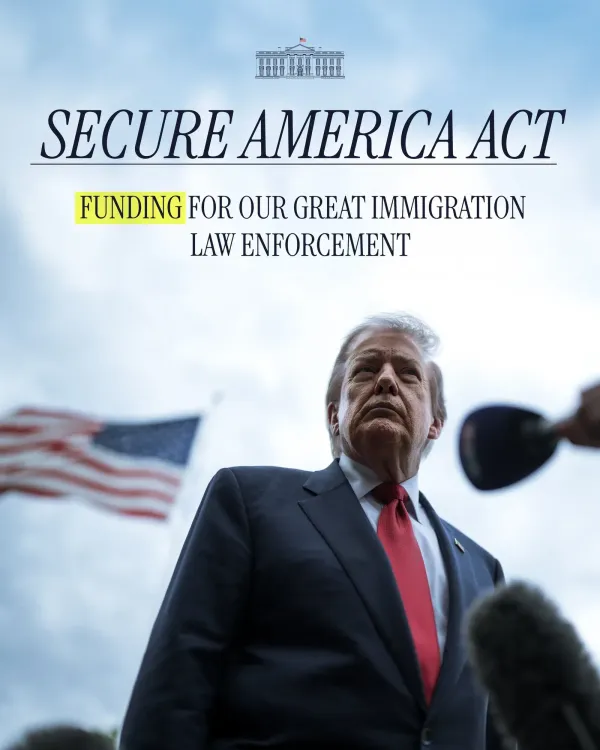
Synopsis
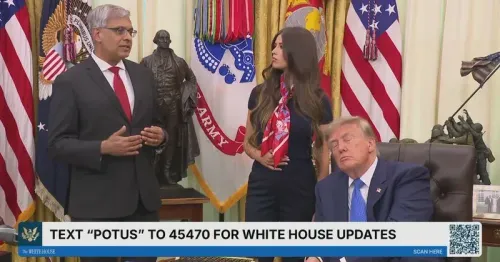
The White House announced President Trump will sign the Secure America Act in the Oval Office on June 10, 2026, channelling fresh federal funding to US law enforcement agencies. The signing follows Trump's longstanding law-and-order policy emphasis and continues a presidential tradition of Oval Office ceremonies for domestic security legislation.
Key Takeaways
The White House announced President Trump will sign the Secure America Act in the Oval Office on June 10, 2026 .
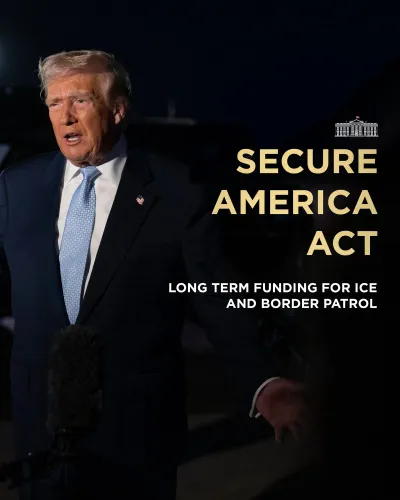
The legislation is described as securing funding for US law enforcement agencies .
The signing follows Trump 's consistent prioritisation of law-and-order and federal police support across his administrations.
Oval Office bill signings are a longstanding presidential tradition used to signal policy importance.
Congressional appropriations bodies and federal agencies will next determine how new funds are distributed to qualifying departments.
Specific funding amounts and legislative provisions have not yet been detailed in the White House announcement.
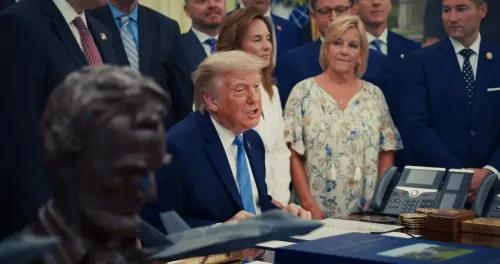
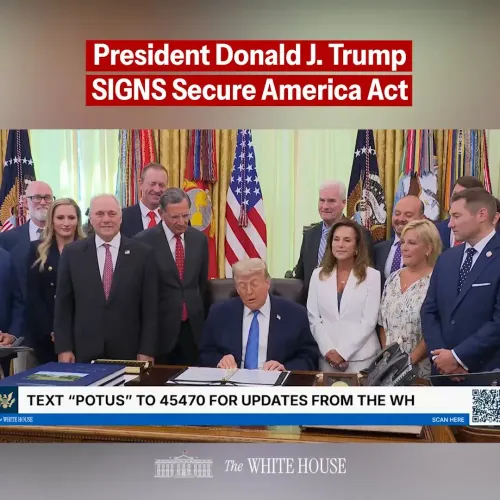
President Donald Trump is set to sign the Secure America Act in the Oval Office, the White House announced on Wednesday, June 10, 2026, pledging new federal funding for law enforcement agencies across the United States. The signing ceremony marks a formal commitment by the Trump administration to bolster resources for agencies the White House says are critical to national safety.
Context
The White House posted on X ahead of the signing, stating: 'President Trump signs the Secure America Act in the Oval Office, securing funding for our great law enforcement agencies that PROTECT AMERICA.' The announcement signals a high-profile executive action framed squarely around domestic security and federal support for police.
Oval Office bill signings are a longstanding presidential tradition used to amplify policy priorities. By staging the ceremony in the Oval Office, the administration underscores the symbolic weight it assigns to law enforcement funding.
Policy Backdrop
Donald Trump, who served as the 45th President from 2017 to 2021 before returning to the White House, has consistently positioned law-and-order policies as a cornerstone of his political identity. Federal grants and appropriations to local and state police departments have been a recurring theme across his administrations.
U.S. presidents have routinely used congressional appropriations cycles to channel funding toward domestic security agencies, with executive ceremonies reinforcing the administration's stated priorities. The Secure America Act appears to follow this pattern, though specific provisions and funding amounts have not been detailed in the White House announcement.
Stakeholders and Impact
The primary beneficiaries of the legislation, as described by the White House, are federal, state, and local law enforcement agencies across the country. Increased federal funding can translate into equipment upgrades, hiring support, training programmes, and operational grants for police departments.
For communities reliant on under-resourced police forces, particularly in smaller cities and rural areas, such federal allocations can have a direct bearing on public safety infrastructure. Advocacy groups on both sides of the law enforcement debate are likely to scrutinise the bill's specific provisions once the full text is publicly available.
What's Next
Following the signing, attention will shift to congressional appropriations committees and relevant federal agencies to issue guidance on how the new funds will be distributed. Implementation timelines and eligibility criteria for law enforcement bodies will be closely watched.
The administration's next steps will likely include agency-level directives and possibly a rollout of grant application processes for qualifying departments. How the funds are allocated across federal, state, and local levels will determine the legislation's real-world impact on policing capacity in the United States.
Point of View
The White House is reinforcing a domestic security narrative that has been central to Trump's political brand since 2016. The move also reflects a broader pattern of US executives using bill signings to consolidate relationships with police unions and law enforcement advocacy groups, constituencies that have been reliable Trump supporters. How the funds are ultimately structured and distributed will determine whether the legislation delivers substantive change or primarily serves as political messaging.
NationPress
26 Oct 2026
Frequently Asked Questions
What is the Secure America Act signed by Trump?
The Secure America Act is legislation signed by President Trump in the Oval Office on June 10, 2026, aimed at securing federal funding for US law enforcement agencies, according to the White House.
When did Trump sign the Secure America Act?
President Trump signed the Secure America Act on Wednesday, June 10, 2026 , in a ceremony held at the Oval Office in the White House.
Which law enforcement agencies benefit from the Secure America Act?
The White House described the act as securing funding for law enforcement agencies broadly, though specific agencies, funding amounts, and eligibility criteria had not been detailed at the time of the announcement.
What is Trump's record on law enforcement funding?
President Trump, who served as the 45th US President from 2017 to 2021, has consistently supported law-and-order policies and federal funding for police across both his administrations, making it a central policy theme.
What happens after the Secure America Act is signed?
After the signing, congressional appropriations committees and federal agencies are expected to issue guidance on fund distribution, grant eligibility, and implementation timelines for qualifying law enforcement departments.