Trump blasts NATO allies for Iran snub, praises Turkey at Ankara summit
Synopsis
Trump turned the Ankara NATO summit into a reckoning, publicly naming the UK, France, Germany, and Italy as allies who refused to back the US during its Iran operation. His praise for Erdogan — and implicit threat to skip the summit — signals a deepening transatlantic fracture that goes well beyond the usual burden-sharing rhetoric.
Key Takeaways
President Trump on 7 July accused NATO allies of refusing to support the US during its military operation against Iran .
Countries named as having declined to help: United Kingdom , France , Germany , and Italy .
Trump said he viewed allied responses as a deliberate test of solidarity: 'I've long said that we help them, but I'm not sure that they'd be there for us.' Trump praised Turkish President Erdogan and said Turkey's hosting of the summit was the main reason he attended.
Burden-sharing has been a defining issue across both of Trump's presidencies; the Iran episode has given it a new, concrete flashpoint.
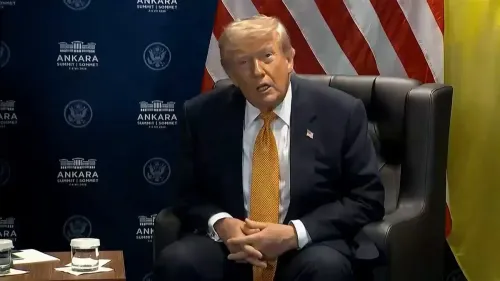
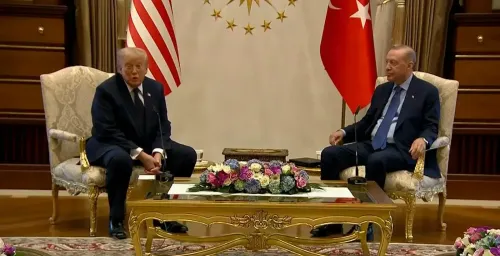
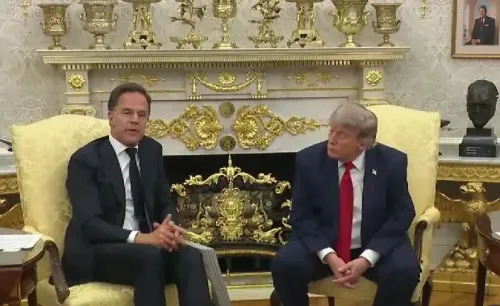
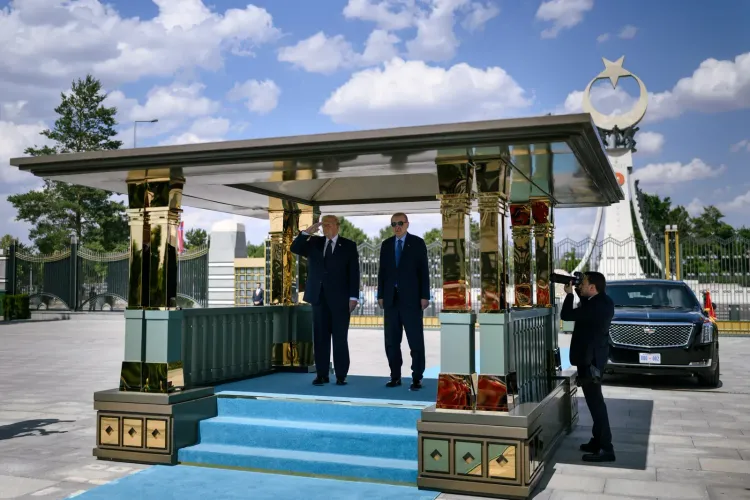
US President Donald Trump on Tuesday, 7 July publicly accused several NATO allies — including the United Kingdom, France, Germany, and Italy — of refusing to back the United States during its military operation against Iran, saying the episode had deepened his longstanding doubts about burden-sharing within the transatlantic alliance. Trump made the remarks in Ankara ahead of a bilateral meeting with Turkish President Recep Tayyip Erdogan, on the eve of the NATO summit.
What Trump Said
Speaking to reporters, Trump said he had been 'very disappointed with NATO' and suggested he might have skipped the Ankara summit entirely had it not been hosted by Turkey. 'If it weren't held in Turkey, where my friend happens to be a very strong leader, a very strong person, it's possible that I wouldn't have attended,' he said.
On allied support during the Iran operation, Trump was blunt: 'We weren't treated well because we did something in Iran — We don't need anybody's help. I didn't even want their help, but before I asked, they said they wouldn't be there.'
Allies Named and Criticised
Trump singled out the United Kingdom for particular criticism, saying its offer of post-conflict assistance fell short. 'He said, no, we'll help after the war is over — I said, I don't need that kind of help,' Trump said, adding that he viewed the episode as a test of alliance solidarity. He also named Italy, Germany, and France as countries that declined to support Washington. 'Why are we spending hundreds of billions of dollars and they're not there for us? We've always been there for them,' he said.
Trump framed the United States' decades of NATO investment — which he described as 'trillions of dollars' — as having protected European nations and Canada, and questioned why that commitment had not been reciprocated when Washington needed support.
Turkey Praised, Erdogan Elevated
In sharp contrast to his criticism of European allies, Trump lavished praise on Erdogan, describing him as 'a respected leader all over the world' and saying US-Turkey relations were stronger than ever. Turkey's hosting of the NATO summit was cited by Trump as the primary reason he chose to attend, underlining Ankara's growing strategic significance within the alliance under his presidency.
Burden-Sharing: A Defining Issue
Trump's remarks are consistent with positions he has held across both of his presidencies. He has repeatedly pressed NATO members to raise defence spending and assume greater responsibility for European security. The Iran episode has now given him a concrete flashpoint to reinforce those arguments — and, notably, to publicly name the allies he believes failed the test. This comes amid broader uncertainty about the depth of US commitment to European defence, with Trump having previously raised the prospect of troop drawdowns on the continent.
What Comes Next
The NATO summit in Ankara is expected to put burden-sharing and alliance cohesion at the centre of discussions. European member states face renewed pressure to demonstrate military solidarity with Washington, particularly as the Iran operation raises questions about the alliance's mutual-defence expectations beyond the European theatre. How NATO leaders respond to Trump's public accusations will shape the summit's political tone.
Point of View
France, Germany, and Italy is a significant escalation — moving from general burden-sharing complaints to specific accusations of abandonment during an active military operation. The Iran episode has handed him exactly the kind of concrete grievance that abstract defence-spending arguments lack. What mainstream coverage underplays is the structural implication: if the US now treats NATO solidarity as conditional on reciprocal support in non-Article 5 operations, the alliance's foundational logic begins to shift. Erdogan's elevation in Trump's remarks is equally telling — Turkey, long the alliance's awkward member, is fast becoming its most valued one in Trump's calculus.
NationPress
6 Oct 2026
Frequently Asked Questions
Why did Trump criticise NATO allies at the Ankara summit?
Trump accused several NATO allies — including the UK, France, Germany, and Italy — of refusing to support the United States during its military operation against Iran. He said the episode confirmed his longstanding doubts about whether allies would stand by the US in a crisis, despite Washington's massive investment in collective defence.
Which NATO countries did Trump specifically name?
Trump named the United Kingdom, France, Germany, and Italy as countries that declined to back the US during the Iran operation. He singled out the UK for offering only post-conflict assistance, which he said he did not find useful.
What did Trump say about Turkey and President Erdogan?
Trump praised Turkish President Recep Tayyip Erdogan as 'a respected leader all over the world' and said US-Turkey relations were stronger than ever. He also said Turkey's hosting of the NATO summit was the primary reason he chose to attend.
What is the NATO burden-sharing dispute about?
Burden-sharing refers to the debate over how much each NATO member contributes to collective defence, including defence spending and military commitments. Trump has long argued that the US bears a disproportionate share of the cost and has repeatedly pressed European allies to increase their own defence budgets and responsibilities.
What is expected at the NATO summit in Ankara?
The Ankara summit is expected to focus on alliance cohesion and burden-sharing, with Trump's public accusations adding pressure on European members to demonstrate military solidarity. How NATO leaders respond to his remarks will set the political tone for the summit's outcome.