Trump tells NATO chief Rutte: Allies 'let us down' over Iran conflict
Synopsis
Trump publicly named and shamed Italy, the UK, Germany, and France for failing to offer support during the Iran conflict — even as NATO Secretary General Rutte argued Europe’s air bases were essential to the operation. With the Ankara summit days away and a 5% GDP spending pledge unmet, the alliance is heading into its most transactional summit in decades.
Key Takeaways
President Donald Trump said several NATO allies — including Italy , the UK , Germany , and France — ‘let us down’ during the Iran conflict.
Trump met NATO Secretary General Mark Rutte at the White House on 25 June , ahead of the Ankara NATO summit on 7–8 July .
Rutte said between 4,000 and 5,000 US planes flew from European air bases during the Iran operation, defending Europe’s logistical role.
Trump renewed pressure on allies to meet the 5 per cent of GDP defence spending target agreed six months ago .
Trump said Iran is making ‘very big concessions’ in ongoing negotiations, and ruled out any Strait of Hormuz fee arrangement.
Vice President JD Vance said the administration is reviewing Turkey’s F-35 request to confirm legal compliance.
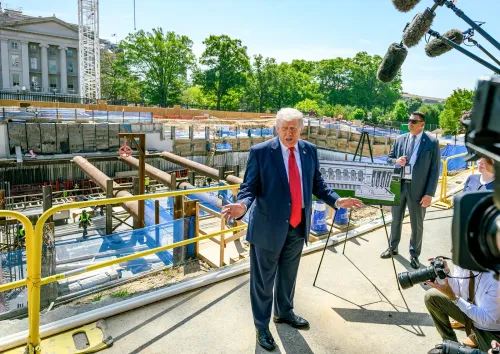
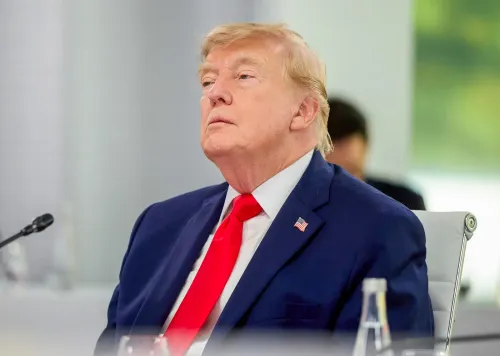
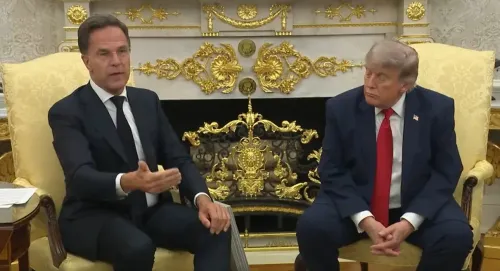
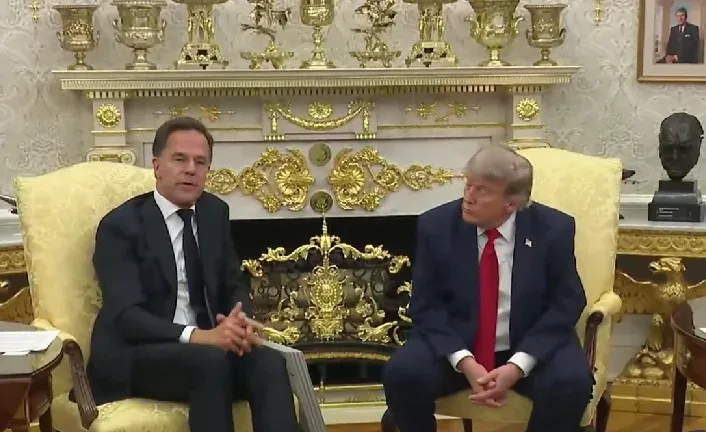
US President Donald Trump on Wednesday, 25 June declared that several NATO allies had “let us down” during the conflict with Iran, saying he expected greater loyalty from partners even as he insisted the United States required no military assistance. Trump made the remarks alongside NATO Secretary General Mark Rutte at the White House, ahead of next month’s NATO summit in Ankara.
Trump’s Disappointment With European Allies
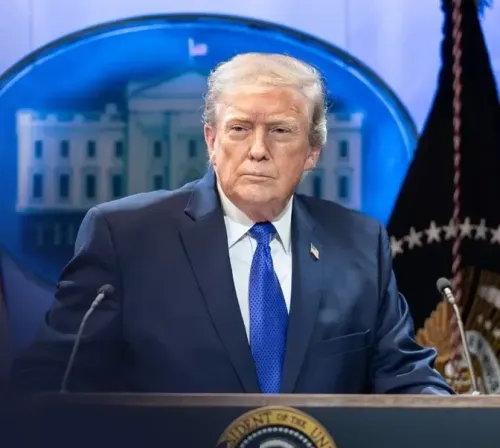
Speaking directly and without diplomatic hedging, Trump said the US had acted decisively against Iran but felt let down by European partners. “We were let down. We didn’t need help on this at all. We demolished them in literally the first week, but it would have been nice if they would have said, ‘We’d like to help,’” Trump said.
He singled out specific countries by name: “I was disappointed with Italy. I was disappointed with the UK... We were disappointed with Germany and France. We were disappointed with most of them.” The public rebuke of close allies at a White House press event is notable, coming just days before the alliance’s annual summit.
Rutte’s Defence of European Contributions
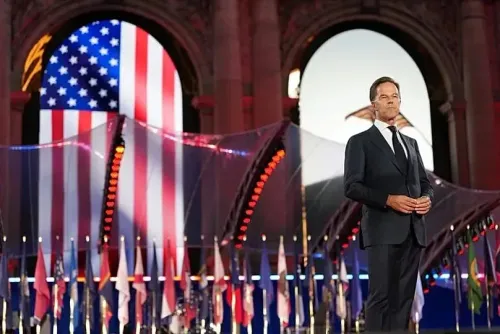
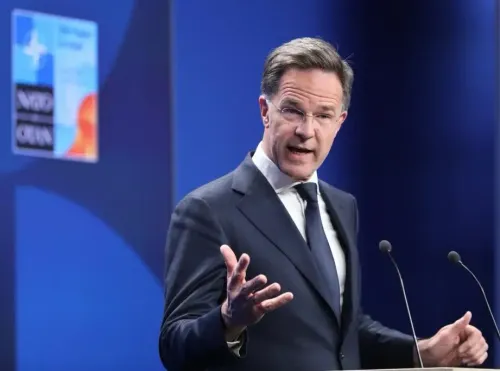
Rutte acknowledged “a reason for disappointment” in some cases but characterised them as “isolated cases.” He argued that Europe’s role as a logistical platform was indispensable to the Iran operation. “I would argue, it would have been very difficult to do Iran without having Europe as a power projection platform for the United States,” Rutte said, adding that “between 4,000 and 5,000 US planes” had taken off from European air bases during the conflict.
Rutte also credited Trump’s pressure with driving up defence spending across Europe and Canada, pointing to increased budgets in Germany, Poland, Denmark, and the Baltic states.
The 5% Defence Spending Demand
Trump renewed pressure on NATO members to meet the 5 per cent of GDP defence spending target that allies reportedly agreed to six months ago. “The big question is, are they paying the five per cent? They agreed six months ago... to pay five per cent. And for the most part, they’re not paying,” he said.
The upcoming Ankara summit on 7–8 July is expected to centre on implementing this spending framework, with a target year of 2035, alongside strengthening defence industrial output and continued support for Ukraine. This comes amid a broader pattern of Trump using NATO gatherings to extract financial commitments from European members — a tactic he has employed since his first term.
Iran Negotiations and Hormuz Warning
Despite his frustration with allies, Trump expressed optimism about ongoing talks with Tehran. “We’re doing great in our negotiations with Iran,” he said, adding earlier in the day that “Iran is making very big concessions.” Rutte echoed the urgency, stating that Iran acquiring nuclear capability “would be a danger to the whole world.”
Asked whether he would accept any future arrangement allowing Iran to impose fees on shipping through the Strait of Hormuz, Trump was unequivocal: “It would be unacceptable to me... I wouldn’t allow it there either.”
Turkey, F-35s, and Ukraine on the Agenda
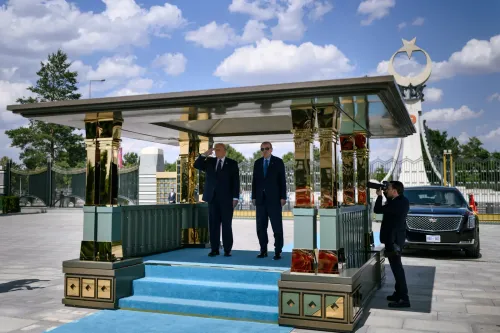
Trump spoke warmly of Turkish President Recep Tayyip Erdogan ahead of the Ankara summit, calling him “a friend” who is “doing a great job.” On Turkey’s long-pending request for F-35 fighter jets, Vice President JD Vance said the administration was reviewing whether all legal requirements had been satisfied. “We’re running the traps and confirming that’s happened. This is really a congressional thing,” Vance said.
On Ukraine, Trump said President Volodymyr Zelensky was “doing pretty well” and “holding his own,” describing him as “courageous.” The alliance’s position on continued support for Kyiv is expected to be reaffirmed at the Ankara summit.
With the Ankara summit days away, the central question is whether Trump’s loyalty demand will translate into a formal accountability mechanism — or remain rhetorical pressure ahead of a photo-op.
Point of View
He is raising the bar for what NATO membership demands in practice. The irony is that Rutte’s own numbers — 4,000 to 5,000 US sorties from European bases — suggest allies provided material support even without political fanfare, yet that counted for little in Trump’s ledger. The 5% GDP spending target, if enforced, would require European defence budgets to roughly double, a fiscal commitment most parliaments have not sanctioned. Heading into Ankara, the real fault line is not between the US and Europe, but between Trump’s transactional definition of alliance and the institutional logic NATO was built on.
NationPress
23 Sept 2026
Frequently Asked Questions
Why did Trump say NATO allies 'let us down'?
Trump said several NATO allies, including Italy, the UK, Germany, and France, failed to offer support or express willingness to help during the US-led conflict with Iran. He said the US did not need military assistance but expected a show of loyalty from its partners.
What did NATO Secretary General Rutte say in response?
Rutte acknowledged there was 'a reason for disappointment' in isolated cases but argued that Europe served as an essential logistical platform, with between 4,000 and 5,000 US planes taking off from European air bases during the Iran conflict. He credited Trump’s pressure with driving increased defence spending across Europe.
What is the 5% GDP defence spending demand Trump mentioned?
Trump said NATO allies had agreed six months ago to spend 5 per cent of GDP on defence and security, but most were not meeting the target. The Ankara summit on 7–8 July is expected to focus on implementing this commitment, with a deadline of 2035.
What is the status of US negotiations with Iran?
Trump said on 25 June that negotiations with Tehran were progressing well and that Iran was making 'very big concessions.' He also ruled out any future arrangement that would allow Iran to impose fees on shipping through the Strait of Hormuz, calling it 'unacceptable.'
What is the agenda for the NATO summit in Ankara?
The NATO summit in Ankara on 7–8 July is expected to address the 5% GDP defence spending framework, strengthening defence industrial production, continued support for Ukraine, and the shared position that Iran must never acquire a nuclear weapon.