Trump vows Iran will never have nuclear weapon after US military strikes
Synopsis
At a Kentucky campaign rally, Trump declared Iran's nuclear capability 'destroyed' by US military strikes and pledged it will never be rebuilt — framing the operation as his second term's defining national security achievement. With no independent verification yet and global scrutiny mounting, the gap between the campaign rhetoric and ground reality may define the story's next chapter.
Key Takeaways
President Donald Trump declared on 18 October 2026 that US military operations had destroyed Iran's nuclear weapons capability .
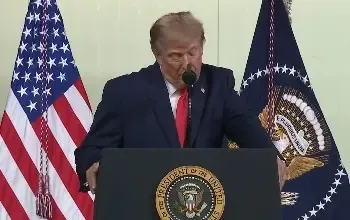
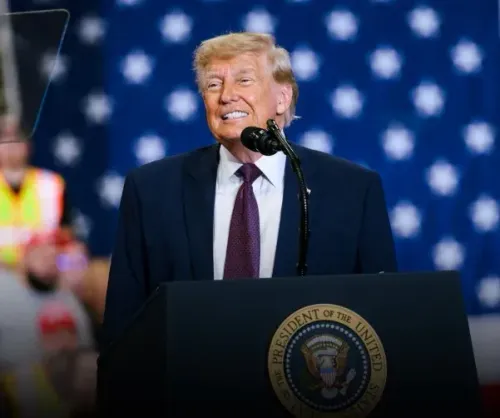
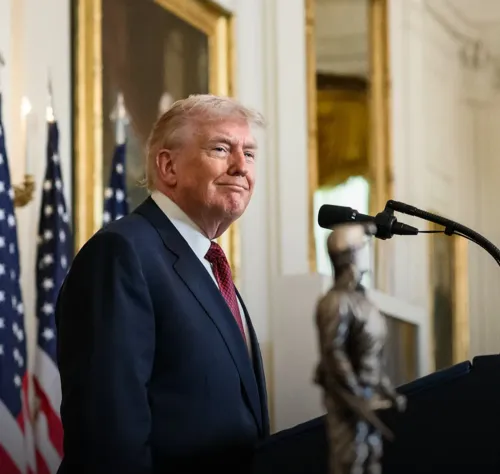
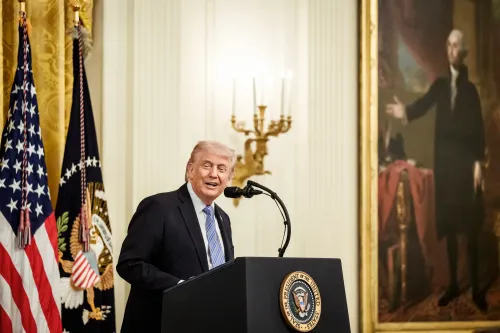
Trump made the remarks at a Republican election rally at Northern Kentucky University's Truist Arena .
He vowed Iran 'won't have, doesn't have, and never will have a nuclear weapon.' Trump said the US and Republican-controlled Congress had allocated more than $1 trillion for the armed forces under his administration.
He suggested petrol prices would fall once the military campaign concluded, saying 'It's gonna end very quickly.' No independent verification of the claims about Iran's nuclear infrastructure has been provided publicly.
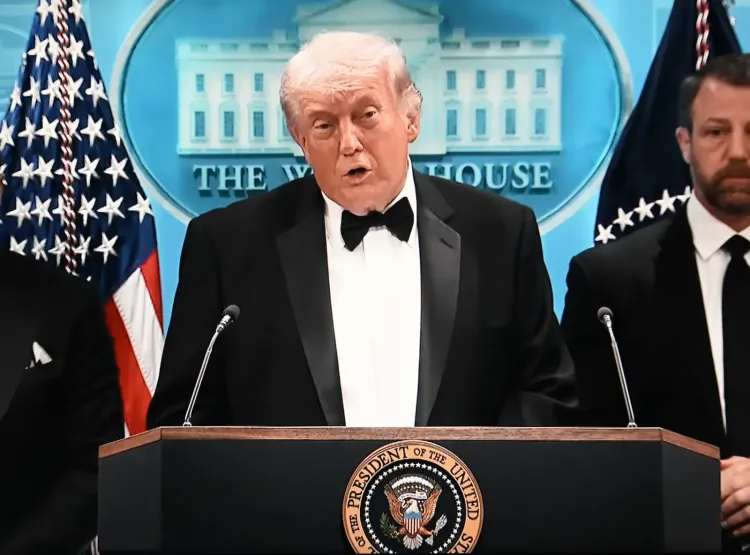
US President Donald Trump declared on 18 October 2026 that American military operations had destroyed Iran's nuclear weapons capability and pledged that Tehran would never be permitted to rebuild it — framing the campaign against the Islamic Republic as one of the defining national security achievements of his second term.
What Trump Said at the Rally
Addressing a Republican election rally at Northern Kentucky University's Truist Arena on Saturday, Trump defended his decision to order military operations against Iran, arguing that the threat of a nuclear-armed Tehran had made intervention unavoidable.
'They cannot have a nuclear weapon. They can't because they'll use it,' Trump told supporters while discussing the military campaign. He added: 'Iran won't have, doesn't have, and never will have a nuclear weapon, very simple.'
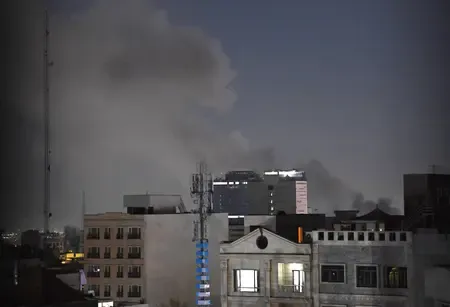
The President said the United States had struck Iran's nuclear infrastructure and was actively taking steps to ensure the programme could not be revived. 'We have to make sure it doesn't come back,' he said, recalling his instructions to senior administration officials during the operation.
Broader National Security Framing
Trump linked the military action to his broader argument that American military strength had been restored under his leadership, and that Washington was once again prepared to confront threats to its national security. He highlighted increased US defence spending, saying his administration and the Republican-controlled Congress had delivered more than $1 trillion for the armed forces.
'Should have been done years ago,' Trump said, arguing that previous American administrations had failed to resolve the Iran nuclear threat. He placed the Iran operation alongside other foreign policy moves, including developments involving Venezuela and Greenland.
Economic Consequences and Energy Prices
The President acknowledged that the operation had required the United States to devote significant attention and resources to the Middle East, but argued that preventing Iran from acquiring nuclear weapons outweighed any short-term economic costs. He noted that the decision had come at a time when the American economy and stock market were performing strongly.
Trump also suggested that energy prices would decline once the military campaign concluded. 'It's gonna end very quickly,' he said, adding that petrol prices would fall below their previous levels when the operation ended.
Context and What Comes Next
This comes amid heightened global scrutiny of US military engagement in the Middle East and persistent questions from independent analysts and international observers about the extent of damage to Iran's nuclear infrastructure. The United States has not yet provided independent verification of the claims regarding the destruction of Iran's nuclear programme.
Notably, Trump's remarks at a domestic rally — rather than a formal policy address — underscore the degree to which the Iran operation has become a central campaign talking point for the Republican Party. How Tehran responds, and whether international bodies such as the International Atomic Energy Agency (IAEA) can confirm the status of Iran's nuclear sites, will be closely watched in the weeks ahead.
Point of View
But without independent IAEA verification or declassified damage assessments, it remains an assertion rather than a confirmed fact. Historically, claims of decisive military success against nuclear programmes have proved complicated: Iraq 1981, Libya 2003, and Syria 2007 all involved contested or incomplete outcomes. The more consequential question is what comes next — whether Iran reconstitutes, retaliates asymmetrically, or pivots diplomatically — and none of that was addressed at the rally.
NationPress
18 Oct 2026
Frequently Asked Questions
What did Trump say about Iran's nuclear programme at the Kentucky rally?
Trump declared that US military operations had destroyed Iran's nuclear weapons capability and pledged that Tehran would never be allowed to rebuild it. He said 'Iran won't have, doesn't have, and never will have a nuclear weapon,' calling it a defining achievement of his second term.
Where did Trump make these remarks about Iran?
Trump made the remarks at a Republican election rally held at Northern Kentucky University's Truist Arena on 18 October 2026. The setting was a domestic campaign event rather than a formal national security address.
How much has the Trump administration spent on US defence?
Trump said his administration and the Republican-controlled Congress had delivered more than $1 trillion for the US armed forces, which he cited as evidence of restored American military strength.
What did Trump say about petrol prices and the Iran operation?
Trump suggested energy and petrol prices would decline once the military campaign against Iran concluded, saying 'It's gonna end very quickly' and that prices would fall below their previous levels.
Has Iran's nuclear destruction been independently verified?
As of the time of Trump's remarks, no independent verification from bodies such as the International Atomic Energy Agency (IAEA) had been publicly provided to confirm the extent of damage to Iran's nuclear infrastructure. The claims rest on administration assertions.