Trump's $1.8bn Anti-Weaponization Fund frozen by court, Senate moves to kill it
Synopsis
A federal judge has frozen Trump's $1.8 billion Anti-Weaponization Fund hours before Senate Democrats introduced a bill to kill it permanently. With a 12 June court hearing looming and the DOJ forced to comply against its will, the fight over who gets taxpayer money — and why — is heading toward a full constitutional showdown.
Key Takeaways
US District Judge Leonie Brinkema froze the $1.8 billion Anti-Weaponization Fund pending a 12 June hearing.
The Justice Department said it 'strongly' disagrees with the ruling but will comply.
Senators Elissa Slotkin , Adam Schiff , and Mark Kelly introduced the Drain the Slush Fund Act to permanently block the programme.
The bill would bar payments to the President, his associates, convicted criminals, and individuals linked to the 6 January 2021 Capitol attack.
Senator Alex Padilla and Senate Judiciary Committee Democrats have called for an Inspector General investigation into the fund.
The fund was created from a DOJ settlement tied to Trump's lawsuit against the Internal Revenue Service .
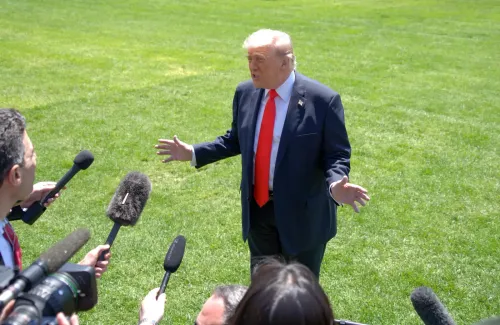
A federal court has frozen President Donald Trump's $1.8 billion Anti-Weaponization Fund, with the Justice Department confirming on Monday, 2 June that it would comply with the order despite 'strongly' disagreeing with the ruling. Simultaneously, Senate Democrats introduced legislation to permanently dismantle the programme, deepening a constitutional and political confrontation over the use of taxpayer funds.
The Court Order and DOJ Response
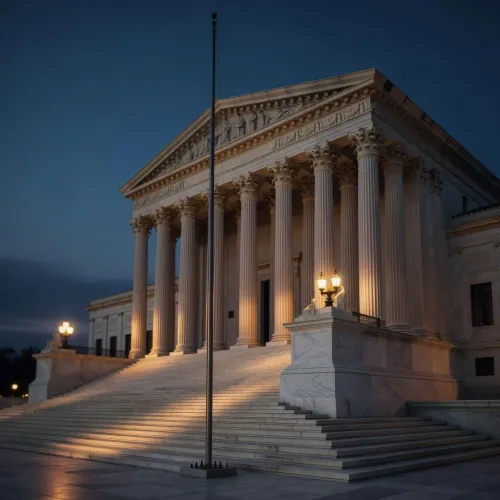
US District Judge Leonie Brinkema of the Eastern District of Virginia temporarily barred the administration from taking any further action related to the fund while a legal challenge proceeds. The court directed the government not to transfer money to the fund, consider claims, or disburse payments pending a 12 June hearing.
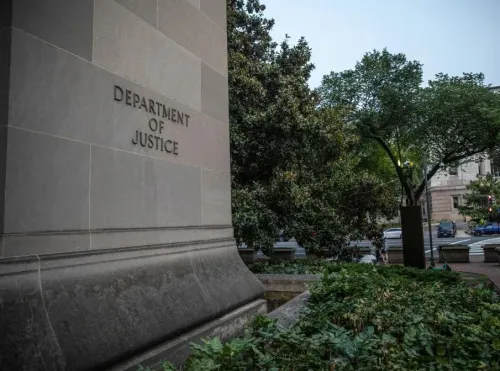
In a statement posted on X, the Department of Justice said the fund had been created 'to make up for the tremendous abuse, harm, and hate unfairly shown to so many people' and was open to anyone 'who was so weaponized, targeted, or persecuted, whether they were Democrat, Republican, Conservative, Independent, or otherwise.' The department added: 'The Department will abide by the Court's ruling.'
Senate Democrats Launch Legislative Counterattack
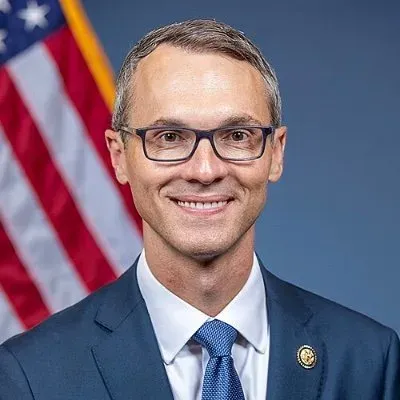
Senators Elissa Slotkin of Michigan, Adam Schiff of California, and Mark Kelly of Arizona introduced the Drain the Slush Fund Act, which seeks to dismantle the fund and prohibit taxpayer money from being used for payments to the President, his associates, convicted criminals, or individuals involved in the 6 January 2021 Capitol attack.
'This so-called $1.7 billion anti-weaponization fund is an unprecedented misuse of taxpayer money, and it must be stopped,' Slotkin said. Schiff described the initiative as 'one of the most brazenly corrupt schemes we've ever seen from a U.S. President.' Kelly accused the administration of using public funds to benefit political allies, calling it 'a $1.7 billion theft in broad daylight.'
What the Legislation Proposes
The proposed bill would impose new restrictions on the Justice Department's Settlement Fund by prohibiting settlements or payments arising from claims or lawsuits brought by a sitting President or Vice President. It would also bar payments to individuals convicted in connection with the January 6 Capitol riot.
Separately, Senator Alex Padilla and other Democratic members of the Senate Judiciary Committee called on the Justice Department's Inspector General to launch an immediate investigation into what they described as 'waste, fraud, and abuse of an unprecedented magnitude.'
Background and Controversy
The fund originated from a Justice Department settlement announced last month in connection with Trump's lawsuit against the Internal Revenue Service. The administration positioned it as compensation for individuals unfairly targeted by government actions. Critics — including Democrats and reportedly some Republicans — have questioned whether the programme could benefit Trump's political supporters, including those convicted over the January 6 Capitol riot.
This comes amid broader scrutiny of the administration's use of executive resources, with critics pointing to a pattern of blurring lines between public funds and political interests. The legal battle is expected to continue in federal court later this month.
Point of View
A signal that internal tensions over the fund run deep. The fund's origins in a settlement with the IRS — rather than a congressional appropriation — is the structural vulnerability critics are exploiting. If Judge Brinkema's 12 June hearing produces a permanent injunction, it would set a significant precedent limiting how future administrations can route settlement proceeds into discretionary compensation pools. Mainstream coverage has focused on the political theatre; the more consequential story is the separation-of-powers question about whether the executive can unilaterally create a victim-compensation fund outside congressional oversight.
NationPress
20 Oct 2026
Frequently Asked Questions
What is Trump's Anti-Weaponization Fund?
It is a $1.8 billion fund created by the Justice Department from a settlement connected to President Trump's lawsuit against the Internal Revenue Service, intended to compensate people the administration says were unfairly targeted or persecuted by government actions. Critics argue it lacks independent oversight and could benefit Trump's political allies.
Why did the court freeze the Anti-Weaponization Fund?
US District Judge Leonie Brinkema of the Eastern District of Virginia temporarily froze the fund on 2 June while a legal challenge proceeds. The court ordered the government not to transfer money, consider claims, or make disbursements until at least a 12 June hearing.
What is the Drain the Slush Fund Act?
It is legislation introduced by Senators Elissa Slotkin, Adam Schiff, and Mark Kelly on 2 June that would permanently dismantle the Anti-Weaponization Fund and prohibit taxpayer money from being used to pay the President, his associates, convicted criminals, or individuals involved in the 6 January 2021 Capitol attack.
What did the Justice Department say about the court order?
The DOJ said it 'strongly' disagreed with Judge Brinkema's ruling but confirmed it would abide by the court's decision. The department maintained that the fund was open to anyone persecuted regardless of political affiliation.
Who else is scrutinising the fund?
Senator Alex Padilla and Democratic members of the Senate Judiciary Committee have formally requested the Justice Department's Inspector General to investigate the fund, describing it as representing 'waste, fraud, and abuse of an unprecedented magnitude.'