Trump announces $250 million elder care plan to hire 5,000 nurses
Synopsis
At a midterm campaign rally in Fort Myers, President Trump pledged $250 million to hire at least 5,000 nurses for elder care facilities nationwide — a concrete funding figure in an otherwise sweeping policy speech. With HHS Secretary RFK Jr. and CMS chief Dr Mehmet Oz on stage, the announcement signals a healthcare workforce push, though critical implementation details remain absent.
Key Takeaways
President Donald Trump announced a $250 million initiative to hire at least 5,000 nurses for elder care facilities across the US on 24 October 2026 .
The announcement was made at a rally in Fort Myers, Florida , ahead of the 3 November midterm elections .
HHS Secretary Robert F.
Kennedy Jr. and Dr Mehmet Oz of the Centers for Medicare and Medicaid Services were present at the rally.
No details were provided on fund distribution, administering agencies, recruitment timelines, or whether positions would be permanent.
Trump also claimed his administration had secured deals to reduce prescription drug prices by 50 to 90 percent , without specifics.
US President Donald Trump on 24 October 2026 announced a $250 million initiative to recruit at least 5,000 new nurses for elder care facilities across the United States, unveiling the healthcare workforce measure at a political rally in Fort Myers, Florida. The announcement came as Trump campaigned for Republican candidates ahead of the 3 November midterm elections.
What Trump Announced
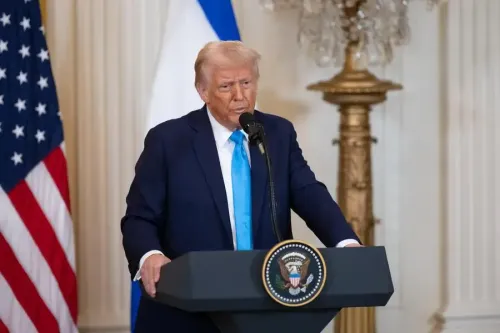
'And today I have breaking news for the benefit of American seniors,' Trump told supporters at the rally. 'I'm pleased to announce that the Trump administration is investing $250 million to hire at least 5,000 new nurses in elder care facilities all across America.'
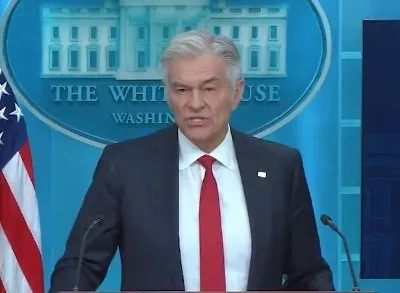
The President said the initiative would benefit facilities nationwide, singling out Florida — a state with one of the country's largest elderly populations — as a key beneficiary. The announcement was made in the presence of Health and Human Services Secretary Robert F. Kennedy Jr. and Dr Mehmet Oz, administrator of the Centers for Medicare and Medicaid Services, both of whom Trump praised for their roles in his administration's healthcare agenda.
What Remains Unclear
Notably, the announcement did not detail how the $250 million would be distributed, which federal agencies would administer the programme, or when recruitment would begin. It also left open whether the funding would support permanent positions, temporary recruitment incentives, or other staffing measures. No implementing guidelines or legislative framework were outlined at the rally.
Drug Prices and Other Policy Claims
Trump also used the occasion to claim progress on reducing prescription drug prices, asserting that his administration had secured arrangements with other countries to bring American medicine prices closer to international benchmarks. 'So, this will reduce drug prices by 50 to 90 percent,' he said, without providing specifics on the agreements referenced.
The Campaign Context
The elder care announcement was part of a broader slate of policy pledges Trump made while campaigning for Republican gubernatorial candidate Byron Donalds and Senator Ashley Moody in Florida. He urged voters to return Republicans to both chambers of Congress, arguing his administration required continued legislative support to implement its priorities. The rally also touched on taxation, immigration enforcement, manufacturing investment, and household finance measures.
The healthcare workforce pledge stood out from the rally's broader campaign rhetoric because it identified a specific funding figure and recruitment target — though analysts and critics are likely to await implementation details before assessing its scope. Long-term care facilities in the United States provide residential and medical support to elderly residents, including those requiring continuous nursing supervision, rehabilitation, and daily-living assistance. Staffing shortfalls at such facilities have been a persistent policy concern for over a decade.
Point of View
And a genuine federal intervention would be welcome; the problem is that similar pledges have been made before without follow-through. With RFK Jr. and Dr Oz flanking Trump on stage, the optics are of a healthcare pivot, but the substance will only be measurable once agency guidelines, appropriations details, and a recruitment timeline are published. Voters and care facilities should watch for whether this translates into a formal rulemaking or remains a rally-night announcement.
NationPress
24 Oct 2026
Frequently Asked Questions
What is Trump's $250 million elder care plan?
It is a federal initiative announced by President Donald Trump on 24 October 2026, committing $250 million to recruit at least 5,000 new nurses for elder care facilities across the United States. The announcement was made at a campaign rally in Fort Myers, Florida, ahead of the November 3 midterm elections.
Who will administer Trump's elder care nursing initiative?
The administration has not yet specified which federal agencies will oversee the programme. No details on fund distribution, recruitment timelines, or whether positions will be permanent or temporary were provided at the rally.
Why was the elder care announcement made at a campaign rally?
Trump was in Fort Myers, Florida, campaigning for Republican gubernatorial candidate Byron Donalds and Senator Ashley Moody ahead of the November 3 midterm elections. The elder care pledge was part of a broader set of domestic policy announcements made at the event.
What did Trump say about prescription drug prices?
Trump claimed his administration had secured arrangements with other countries to reduce American prescription drug prices by 50 to 90 percent. He did not provide specifics on the agreements or a timeline for implementation.
Why does elder care staffing matter in the United States?
Long-term care facilities in the US provide residential and medical support to elderly residents requiring nursing supervision, rehabilitation, and daily-living assistance. Staffing shortfalls at these facilities have been a persistent policy concern for over a decade, worsening significantly during and after the COVID-19 pandemic.