Uganda declares tourist sites safe amid Ebola outbreak, bans mass gatherings
Synopsis
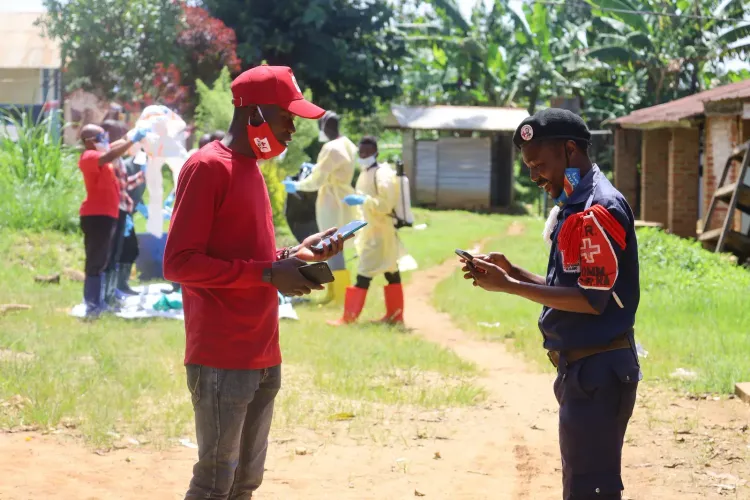
Uganda is walking a tightrope: reassuring tourists that its national parks are open and safe while simultaneously banning concerts, rallies, and marathons to contain an Ebola outbreak with 7 confirmed cases. With travel advisories already issued by multiple countries and cross-border spread from the DRC in play, the next few days will test whether Uganda's containment holds — or forces a harder shutdown.
Key Takeaways
Uganda Wildlife Authority declared all national parks and tourist sites safe on 28 May , with thermal screening and sanitisation SOPs in place.
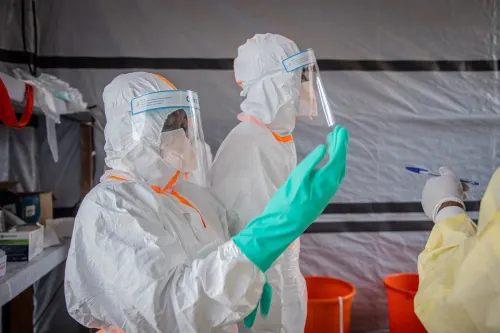
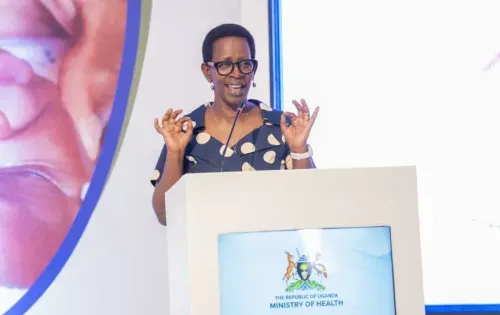
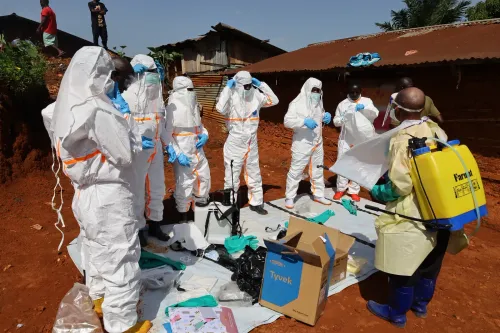
The Uganda Ministry of Health has confirmed seven Ebola cases ; all known contacts are under quarantine.
A ban on mass public gatherings — including concerts, rallies, festivals, and marathons — was issued via a ministry circular on Wednesday .
Multiple countries have issued travel advisories against visiting Uganda; some tour operators are reporting booking reschedules rather than outright cancellations.
Security agencies and district authorities have been directed to enforce restrictions, especially in high-risk and border areas .
The outbreak coincides with reported Ebola cases in neighbouring eastern DRC , complicating regional containment efforts.
Uganda on Thursday, 28 May assured international tourists that national parks and wildlife attractions across the country remain safe to visit, even as authorities simultaneously banned mass public gatherings to contain a confirmed Ebola outbreak. The twin measures signal a delicate balancing act: preserving a tourism-dependent economy while preventing a public health emergency from escalating.
Tourist Sites Declared Safe
Bashir Hangi, communications officer of the Uganda Wildlife Authority (UWA) — the state agency responsible for managing national parks — said robust preventive protocols are now in force across all game parks and tourist attraction centres.
'Our parks are safe. We are practising safe tourism. We have put in place SOPs (standard operating procedures) at our game parks and tourist attraction centres to protect the safety of our tourists,' Hangi said.
Specific measures include thermal temperature screening stations at park entrances, mandatory sanitisation, and the installation of handwashing facilities. Hangi acknowledged, however, that the outbreak has already dented visitor confidence. 'Some of them (tour companies) are telling us they are getting reschedules. People are not refusing to come, but are choosing to come at a later date,' he said.
Seven Confirmed Cases, Contacts Under Quarantine
According to the Uganda Ministry of Health, the country has recorded seven confirmed Ebola cases to date. All contacts linked to those cases are currently under quarantine. Ugandan authorities maintain the outbreak has been contained, noting that no new cases have been reported in recent days.
Notably, the outbreak in Uganda coincides with reported cases in neighbouring eastern Democratic Republic of the Congo (DRC), prompting several countries to issue travel advisories against visits to Uganda. This cross-border dimension adds complexity to containment efforts and has heightened international scrutiny.
Ban on Mass Public Gatherings
In a circular issued late Wednesday, the Ministry of Health prohibited activities that attract large crowds. The banned events include music concerts, cultural festivals, public rallies, political mobilisation events, marathons, and cross-border marketing activities.
The ministry's statement explained the rationale: 'These activities increase risk by promoting close physical interaction, uncontrolled crowd mixing, and unnecessary movement, which may facilitate transmission of Ebola infection where an infected person is present.'
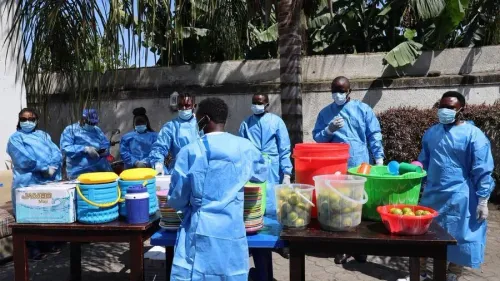
Official, institutional, and essential gatherings may still proceed, provided organisers strictly adhere to Ebola prevention SOPs. For any approved gathering, organisers must ensure controlled attendance to prevent overcrowding, enforce mandatory handwashing or use of alcohol-based sanitisers, conduct temperature screening at entry points, and designate a focal compliance officer.
Enforcement and Border Controls
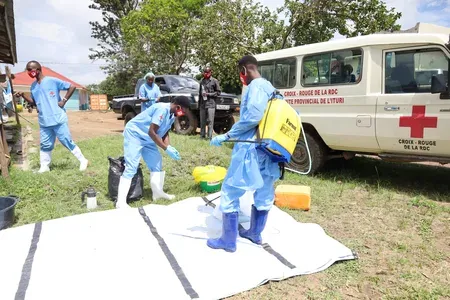
Security agencies and district authorities have been directed to strictly enforce the measures, with particular focus on high-risk and border areas. The directive aims to limit non-essential movement and prevent further geographic spread of the disease.
This is not Uganda's first encounter with Ebola — the country has managed multiple outbreaks over the past two decades, giving its health infrastructure some institutional experience with containment protocols. Whether those protocols prove sufficient amid active cross-border transmission from the DRC will be closely watched by regional and global health bodies in the coming days.
Point of View
But don't gather in crowds' — reflects a real tension that tourism-dependent governments face during outbreaks. With only seven confirmed cases, the containment window is still open, but the DRC cross-border variable is the wild card that domestic SOPs cannot fully address. What is missing from official communications is independent verification of the 'no new cases' claim; without transparent, time-stamped case data from the Ministry of Health, the assurance to tourists risks being seen as economically motivated rather than epidemiologically grounded. Regional health bodies should be pressing Kampala for daily public dashboards, not just ministerial circulars.
NationPress
20 Sept 2026
Frequently Asked Questions
Is Uganda safe to visit during the Ebola outbreak?
Ugandan authorities say national parks and tourist sites are safe, with thermal screening, mandatory sanitisation, and handwashing facilities installed at all entry points. However, several countries have issued travel advisories against visiting Uganda, and some tour operators are reporting booking reschedules.
How many Ebola cases have been confirmed in Uganda?
The Uganda Ministry of Health has confirmed seven Ebola cases as of 28 May 2025. All contacts linked to those cases are under quarantine, and authorities say no new cases have been reported recently.
Why has Uganda banned mass public gatherings?
The Ministry of Health issued a circular banning events such as concerts, rallies, cultural festivals, marathons, and cross-border marketing activities because they promote close physical contact and uncontrolled crowd mixing, which can facilitate Ebola transmission.
Which events are still allowed under Uganda's Ebola restrictions?
Official, institutional, and essential gatherings may proceed if organisers comply strictly with Ebola prevention SOPs, including controlled attendance, mandatory handwashing, temperature screening at entry, and appointment of a designated compliance officer.
Is the Ebola outbreak in Uganda connected to the DRC?
Uganda's outbreak coincides with reported Ebola cases in neighbouring eastern Democratic Republic of the Congo. Ugandan security and district authorities have been specifically directed to enforce containment measures in high-risk and border areas to limit cross-border spread.