UN chief backs impartial probe into PoK protester killings
Synopsis
At least 50 protesters are dead in Pakistan-occupied Kashmir, the JAAC has been banned under anti-terror laws, and its leaders are in custody — and now the UN Secretary-General has formally backed calls for an impartial investigation. The move puts Islamabad under rare, direct international scrutiny over a civil uprising rooted in electoral grievances, against the backdrop of a 1948 Security Council resolution Pakistan has never fulfilled.
Key Takeaways
UN Secretary-General Antonio Guterres has backed calls for an impartial probe into protester killings in Pakistan-occupied Kashmir (PoK) , confirmed on 7 August .
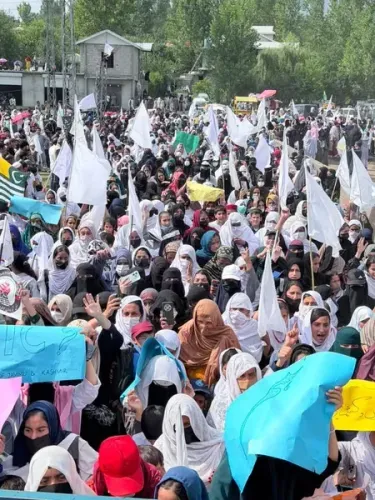
At least 50 protesters have reportedly been killed during unrest led by the Joint Awami Action Committee (JAAC) .
The JAAC was banned under anti-terrorism laws and several of its leaders have been arrested.
UN High Commissioner Volker Turk called for prompt, thorough, and impartial investigations into all deaths, and demanded due process for detained JAAC leaders.
UN Security Council Resolution 40 (1948) requires Pakistan to withdraw its forces and citizens from the territory it occupies in Kashmir.
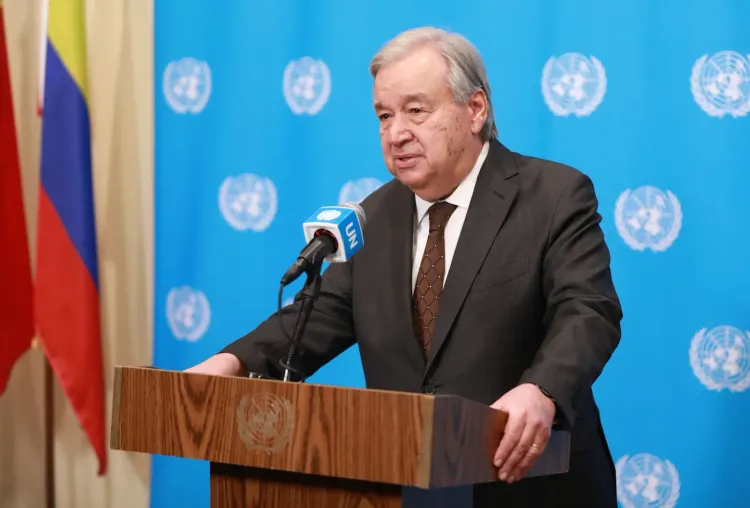
United Nations Secretary-General Antonio Guterres has endorsed his human rights chief's call for an impartial investigation into the killings of protesters in Pakistan-occupied Kashmir (PoK), with the UN's Deputy Spokesperson Farhan Haq confirming the position on Friday, 7 August. The development puts fresh international pressure on Pakistan over its handling of a civil unrest that has claimed at least 50 lives.
What the UN Said
Farhan Haq, speaking at his regular briefing, said the Secretary-General 'supports the work of his High Commissioner, and we certainly hope that the pleas made by Volker Turk will be listened to.' He further stressed that 'all authorities everywhere' must allow peaceful protest, specifically citing the situation in Pakistan-occupied Kashmir.
'If there have been people harmed for engaging in peaceful protest, there needs to be accountability for that,' Haq added, signalling that the UN considers the matter unresolved.
The Human Rights Office's Position
UN High Commissioner for Human Rights Volker Turk had previously called for 'prompt, thorough and impartial investigations into all deaths that have occurred due to the unrest, both among protesters and members of security forces.' Turk also urged that detained leaders of the Joint Awami Action Committee (JAAC) be given 'access to legal representation and their families,' with their rights to due process and fair trial 'fully guaranteed,' according to his spokesperson Jeremy Laurence.
Background: The JAAC Protests
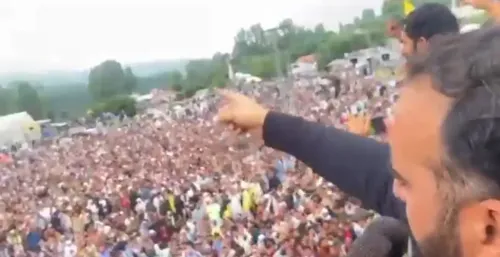
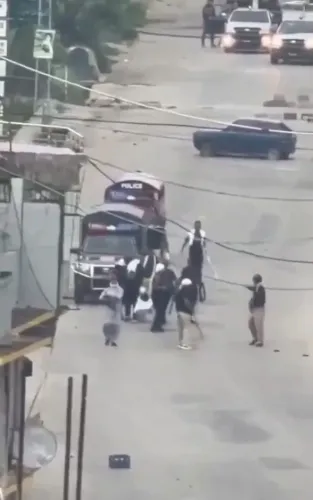
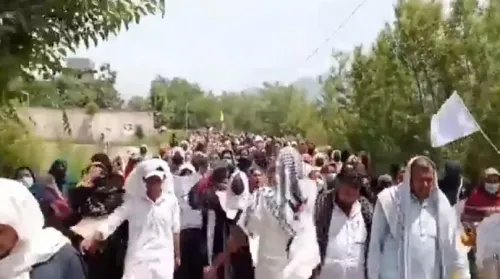
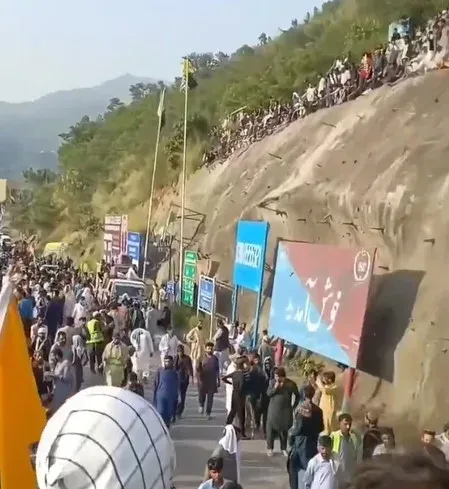
The unrest in Pakistan-occupied Kashmir was triggered by public anger over Pakistan reserving seats for outsiders in elections to the local legislature. The JAAC — a broad-based movement comprising traders, transporters, students, lawyers, and activists — led the protests. At least 50 protesters have reportedly been killed in the violence that followed.
Authorities subsequently banned the JAAC under anti-terrorism laws, citing alleged threats to public order and security, and arrested several of the group's leaders. The UN Human Rights office warned that 'the criminalisation of a civil society organisation and imposition of strict limitations on gatherings raise serious concerns about infringements on the rights to freedom of expression, peaceful assembly and association.'
The Larger Legal Context
The situation carries long-standing legal weight. UN Security Council Resolution 40 of 1948 demands that Pakistan withdraw its forces and citizens from the territory it occupies in Kashmir. Critics argue that the ongoing suppression of civil dissent in PoK is compounded by this unresolved territorial dispute, which has never been put to a plebiscite as originally mandated.
With the UN now formally aligned behind calls for accountability, the spotlight is on Islamabad to respond — or face further international scrutiny over its conduct in the region.
Point of View
And Islamabad has historically deflected such calls. What is notable is the framing: banning a civil society coalition under anti-terror law and arresting its leaders while simultaneously facing a UN accountability demand is a reputational liability Pakistan can ill afford at a time of acute economic fragility and IMF dependence. The 1948 Security Council resolution remains the ghost at the table — invoked here as a reminder that Pakistan's legal standing in the territory it administers has never been internationally settled. India will likely amplify this episode in multilateral forums, and that strategic dimension is what mainstream coverage of this story consistently underplays.
NationPress
22 Sept 2026
Frequently Asked Questions
Why is the UN calling for an inquiry into Pakistan-occupied Kashmir?
The UN is calling for an inquiry after at least 50 protesters were reportedly killed during demonstrations in Pakistan-occupied Kashmir led by the Joint Awami Action Committee (JAAC). UN High Commissioner for Human Rights Volker Turk has demanded prompt, thorough, and impartial investigations into all deaths arising from the unrest.
What is the JAAC and why did it launch protests in PoK?
The Joint Awami Action Committee (JAAC) is a broad civil society movement in Pakistan-occupied Kashmir comprising traders, transporters, students, lawyers, and activists. It launched protests against Pakistan's decision to reserve seats for outsiders in elections to the local legislature, which demonstrators viewed as an infringement on the region's political rights.
What action has Pakistan taken against the JAAC?
Pakistan authorities banned the JAAC under anti-terrorism laws, citing alleged threats to public order and security, and subsequently arrested several of the movement's leaders. The UN Human Rights office has described this as raising 'serious concerns' about freedom of expression, peaceful assembly, and association.
What did UN Deputy Spokesperson Farhan Haq say about the protests?
Farhan Haq said the Secretary-General supports the work of High Commissioner Volker Turk and expressed hope that Turk's calls would be heeded. He also stated that if people were harmed for engaging in peaceful protest, 'there needs to be accountability for that.'
What is UN Security Council Resolution 40 and why is it relevant?
UN Security Council Resolution 40, passed in 1948, demands that Pakistan withdraw its forces and citizens from the territory it occupies in Kashmir. It remains unimplemented and is cited as the foundational legal basis for questioning Pakistan's authority and conduct in the region.