UN allocates $60 mn to fight Ebola outbreak in Congo and region
Synopsis
The UN has unlocked up to $60 million to fight an Ebola outbreak in Congo caused by the Bundibugyo strain — for which no licensed vaccine or treatment exists. With WHO raising its national risk rating to 'very high' and confirmed cases already crossing into Uganda, the window for containment is narrowing fast.
Key Takeaways
UN Emergency Relief Coordinator Tom Fletcher allocated up to $60 million from the Central Emergency Response Fund on 23 May for the Ebola response in Congo and the wider region.
The outbreak involves the Bundibugyo strain of Ebola, for which there are currently no licensed vaccines or treatments .
WHO revised its national-level risk assessment to 'very high' , with the regional level rated 'high' and global risk 'low' .
Confirmed imported cases have been recorded in Uganda ; the UN is also coordinating with teams in South Sudan .
Norway pledged 50 million Norwegian kroner (approx. $5.39 million ) to the WHO Contingency Fund for Emergencies , which had already disbursed $3.9 million .
Conflict and high population movement are hampering access for frontline responders across affected areas.
Tom Fletcher, the UN Under-Secretary-General for Humanitarian Affairs and Emergency Relief Coordinator, on Friday, 23 May announced an allocation of up to $60 million from the UN Central Emergency Response Fund (CERF) to accelerate the response to the Ebola outbreak in the Democratic Republic of Congo (DRC) and the wider region. The move comes as the World Health Organisation (WHO) revised its national-level risk assessment for the outbreak to 'very high'.
Why This Outbreak Is Especially Difficult to Contain
Fletcher warned that the epidemiological situation is particularly complex, noting that 'there are not yet licensed vaccines or treatments for the Bundibugyo strain' of Ebola currently driving the outbreak. This distinguishes the current crisis from past Ebola emergencies in which approved vaccines were available and deployed at scale.
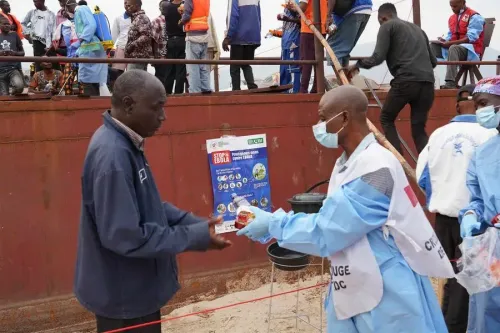
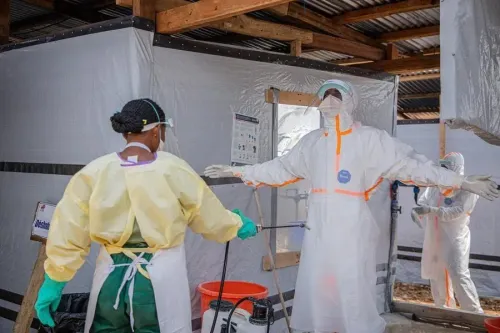
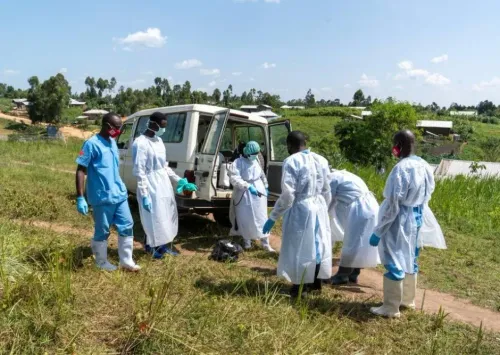
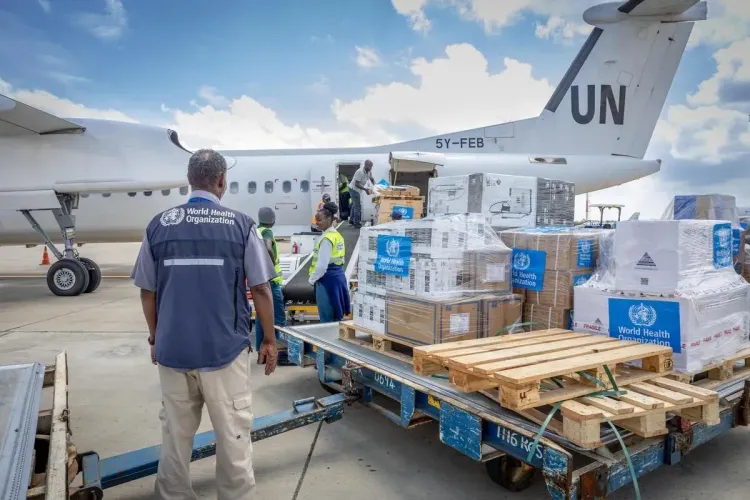
Compounding the challenge, frontline responders are operating in some of the most difficult environments in the world, with active conflict and high population movement across affected areas. Fletcher stressed that the United Nations is working to secure safe and sustained access for responders, including in areas controlled by armed groups. 'It is essential that there is no obstruction to our response. We must have access to all routes — air, land and water — across the affected areas,' he said.
Key Developments on the Ground
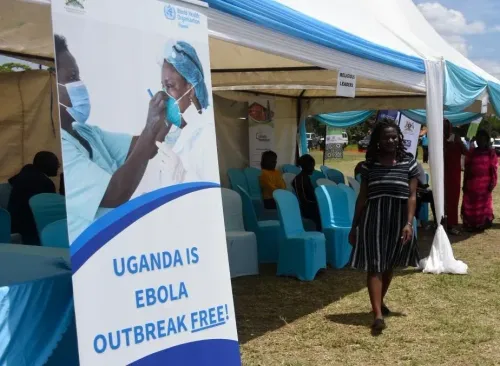
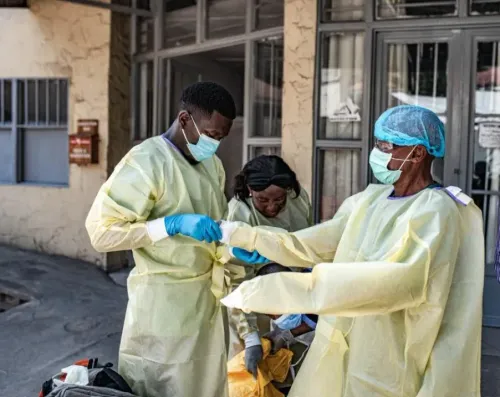
Fletcher confirmed he is in close contact with UN humanitarian coordinators and teams in Congo, Uganda, and South Sudan, with confirmed imported cases already recorded in Uganda. Additional staff from key UN agencies and partner organisations were being deployed over the weekend to reinforce the response effort.
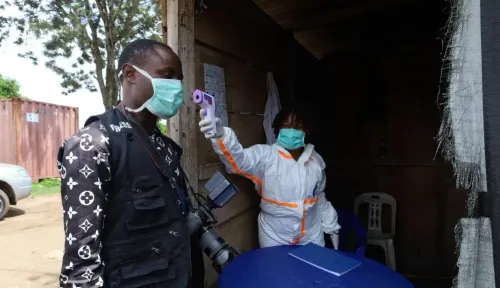
The UN Relief Chief underscored that containment depends on fast, coordinated action at the community level, including strong communication with governments and effective early warning and detection systems.
Norway Steps Up With $5.39 Million Contribution
In a parallel development, Norway announced a contribution of 50 million Norwegian kroner (approximately $5.39 million) to the WHO's Contingency Fund for Emergencies. Norwegian Minister of International Development Aasmund Aukrust said in a statement: 'When dangerous diseases break out, every hour counts. We must be able to respond immediately, before the situation escalates.'
The WHO had already disbursed $3.9 million from that fund to support the response. Norway noted that the fund is structured to release resources within 24 hours of a decision. Several Norwegian partners are supporting contact tracing, laboratory capacity, treatment, and community information efforts. Norway's longer-term partnerships with Gavi, the Vaccine Alliance, the Coalition for Epidemic Preparedness Innovations (CEPI), and the Pandemic Fund are also expected to contribute to the sustained response.
WHO Risk Assessment and What Comes Next
The WHO on Friday revised its risk assessment to 'very high' at the national level in Congo, while maintaining a 'high' rating at the regional level and 'low' globally. The combination of an unlicensed-strain outbreak, cross-border spread into Uganda and South Sudan, and conflict-affected operating conditions makes this one of the more complex Ebola responses in recent years.
With over $65 million in emergency funding now mobilised between the UN and Norway alone, the international community is signalling urgency — though experts note that funding speed must be matched by access and community trust on the ground for containment to succeed.
Point of View
However large, cannot substitute for the community access and trust that ultimately broke previous outbreaks. The WHO's 'very high' national risk rating, combined with confirmed cross-border spread into Uganda, suggests the window for ring-fencing this outbreak is already under pressure. The real test will be whether the UN's access demands — including into armed-group-controlled territory — can be negotiated fast enough to outpace the virus's movement.
NationPress
19 Sept 2026
Frequently Asked Questions
What is the Ebola outbreak in Congo that the UN is responding to?
An outbreak of Ebola caused by the Bundibugyo strain has been confirmed in the Democratic Republic of Congo, with imported cases also detected in Uganda. The WHO has rated the national-level risk as 'very high' as of 23 May 2025, making it one of the more serious Ebola emergencies in recent years.
Why is the Bundibugyo strain of Ebola particularly concerning?
Unlike the Zaire strain that drove the 2018-2020 DRC outbreak, there are currently no licensed vaccines or treatments for the Bundibugyo strain. This significantly limits the tools available to frontline health responders trying to contain the disease.
How much money has the international community committed to the Ebola response?
The UN has allocated up to $60 million from its Central Emergency Response Fund. Norway has separately pledged approximately $5.39 million (50 million Norwegian kroner) to the WHO's Contingency Fund for Emergencies, which had already disbursed $3.9 million prior to Norway's contribution.
Which countries are affected by the Ebola outbreak?
The primary outbreak is in the Democratic Republic of Congo. Confirmed imported cases have also been recorded in Uganda, and the UN is coordinating with humanitarian teams in South Sudan as a precautionary measure given regional population movement.
What are the main obstacles to containing the outbreak?
Frontline responders face active armed conflict, high population movement, and restricted access in some areas controlled by armed groups. UN Relief Coordinator Tom Fletcher has called for unobstructed access across all routes — air, land, and water — in the affected areas.