UN experts warn Pakistan over forced deportation of Afghan refugees
Synopsis
UN human rights experts have called out Pakistan for forcibly deporting over 14,000 Afghan nationals since July 2026 — including women, unaccompanied children, and medical students — without individual risk assessments. With Taliban bans on women’s education making return catastrophic for female students, the UN is demanding Pakistan establish transparent protection procedures before any further removals.
Key Takeaways
UN experts on 19 September 2026 warned Pakistan to halt forced deportations of Afghan refugees .
Approximately 127,344 Afghans crossed into Afghanistan between 10 July and 27 August 2026 ; at least 14,186 were reportedly forcibly removed.
Around 38,388 of those crossing the border were women and children.
At least 100 Afghan students , including 20–40 women , face expulsion from Pakistani medical and dental institutions.
Pakistan’s Ministry of Interior issued a deportation directive on 28 June 2026 , effective from 10 July 2026 .
Experts invoked the principle of non-refoulement , calling for individual risk assessments before any removal.
United Nations human rights experts on 19 September 2026 issued a stark warning to Pakistan, urging the government to immediately halt the forced deportation of Afghan refugees to Afghanistan and to establish transparent individual assessment procedures for those at risk of persecution, torture, and other serious human rights violations.
Key Developments
The UN experts expressed grave concern over Pakistan's ongoing forced returns of Afghan nationals. “The immediate priority is the establishment of a transparent and accessible procedure through which Afghans at risk can come forward, be individually assessed, and obtain protection from removal while that assessment is carried out,” the experts said in their statement.
They warned that without such safeguards, “vulnerable individuals may remain in hiding, unable to seek protection for fear of arrest, detention or removal.”
Afghan Students Ordered Out of Medical Institutions
The experts further highlighted that Pakistani authorities last week directed all medical and dental institutions across the country to remove Afghan students. At least 100 Afghan students currently enrolled in Pakistan are reportedly affected by these orders, including between 20 and 40 women.
The consequences for female Afghan students are particularly severe. “For female Afghan students in particular, this move would end their hopes of qualifying as doctors and dentists, because of the Taliban’s ban on higher education and medical training for women,” the experts noted, pointing to the compounding effect of Taliban restrictions inside Afghanistan that leave these women with no viable alternative.
Scale of Deportations Since July 2026
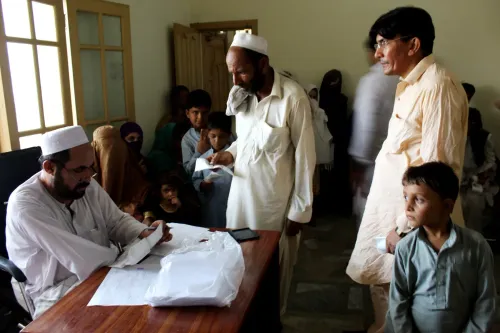
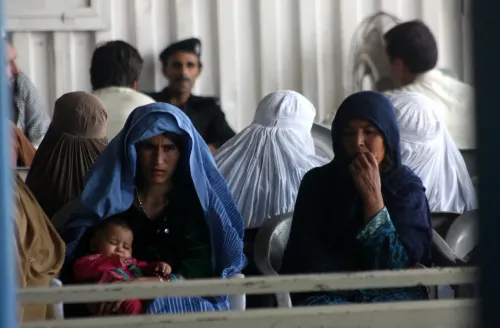
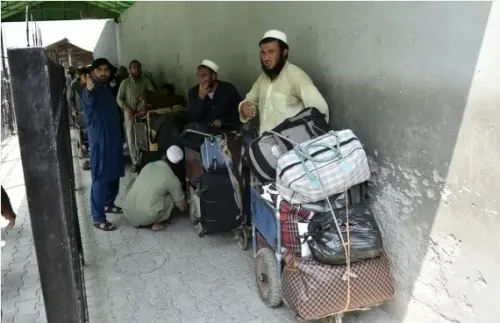
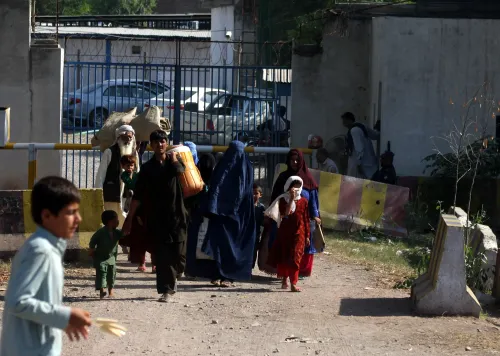
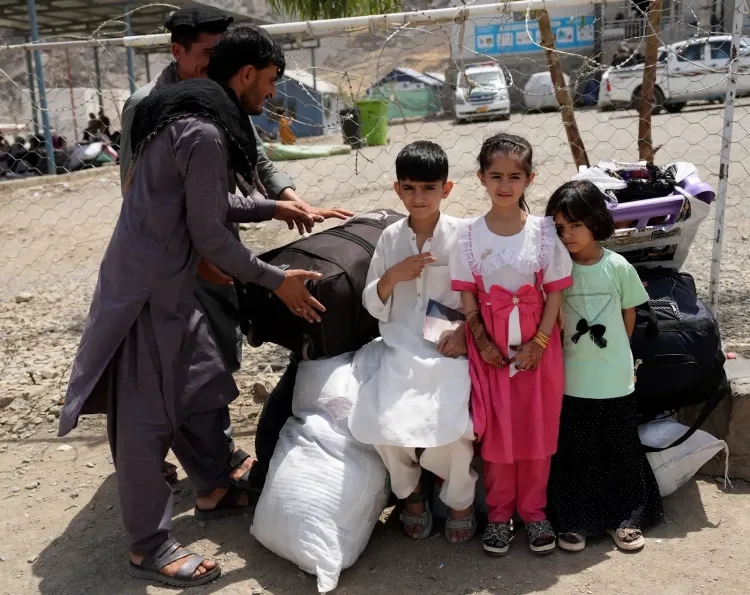
The experts cited figures showing that approximately 127,344 Afghans crossed back into Afghanistan between 10 July and 27 August 2026, of whom at least 14,186 were reportedly forcibly removed. Around 38,388 of those crossing the border were women and children.
This follows a directive issued by Pakistan’s Ministry of Interior on 28 June 2026, instructing provincial authorities to detain and deport Afghan nationals without valid documentation after 10 July 2026. The experts expressed serious concern over the implementation of that directive, noting the absence of individual risk assessments prior to removal.
Unaccompanied Children at Risk
The experts raised particular alarm over the return of unaccompanied Afghan children to Afghanistan, warning that these minors are being sent back to a country where adequate child-sensitive reception, assistance and protection mechanisms are absent. They called for urgent identification and protection of this group before any removal decision is made.
Non-Refoulement Obligations Invoked
The UN experts urged Pakistan to honour its obligations under the international legal principle of non-refoulement — which prohibits returning any individual to a situation where they face a real risk of persecution, torture, cruel, inhuman or degrading treatment, arbitrary deprivation of life, enforced disappearance, arbitrary detention, or other serious and irreparable harm.
They called for mechanisms that “allow Afghan nationals who may face persecution, torture or other irreparable harm to come forward without fear of detention or removal, receive an individual assessment and, where appropriate, obtain temporary protection and access to a secure residence status.”
With Pakistan yet to respond publicly to the UN statement, the international community will be watching closely whether Islamabad moves to suspend forced removals or continues the crackdown as Afghan nationals’ legal and humanitarian options narrow further.
Point of View
Security pressures, and economic strain — but the human cost is falling disproportionately on those with nowhere safe to go. The expulsion of Afghan female medical students is especially telling: these women cannot resume their education inside Taliban-ruled Afghanistan, making removal functionally permanent. The absence of any individual risk-screening mechanism is the core legal and moral failure the UN is highlighting. Islamabad has signed no refugee convention, which limits formal legal leverage, but the non-refoulement principle is widely recognised as customary international law — a fact Pakistan cannot easily dismiss on the global stage.
NationPress
19 Sept 2026
Frequently Asked Questions
Why are UN experts warning Pakistan over Afghan deportations?
UN human rights experts are warning Pakistan because the country has been forcibly deporting Afghan nationals without individual assessments to determine whether they face persecution, torture, or other serious harm upon return. At least 14,186 Afghans were reportedly forcibly removed between 10 July and 27 August 2026, raising urgent non-refoulement concerns.
What is the non-refoulement principle and how does it apply here?
Non-refoulement is a cornerstone of international human rights law that prohibits returning any person to a country where they face a real risk of persecution, torture, enforced disappearance, or other irreparable harm. The UN experts are invoking this principle to argue that Pakistan must individually assess each Afghan national’s risk before any removal decision.
How are Afghan students in Pakistan affected?
Pakistani authorities have directed all medical and dental institutions to expel Afghan students, reportedly affecting at least 100 individuals, including 20 to 40 women. Because the Taliban bans women from higher education and medical training inside Afghanistan, expulsion would permanently end these women’s professional aspirations.
What did Pakistan’s Ministry of Interior order?
On 28 June 2026, Pakistan’s Ministry of Interior issued a directive instructing provincial authorities to detain and deport Afghan nationals without valid documentation after 10 July 2026. The UN experts have expressed serious concern over how this directive is being implemented on the ground.
What protection does the UN want Pakistan to put in place?
The UN experts are calling for a transparent, accessible procedure that allows Afghans at risk to come forward without fear of arrest or removal, receive an individual risk assessment, and obtain temporary protection and a secure residence status where warranted. They are particularly concerned about unaccompanied children and women being returned without any such safeguards.