UN Secretary-General race: Push for first woman chief gains ground at UNGA
Synopsis
For the first time in 81 years, a woman could lead the United Nations — but only if five veto-wielding powers with sharply divergent reform agendas can agree. With Guyana's Carolyn Rodrigues-Birkett in the running and world leaders using UNGA to set wildly different expectations for the next Secretary-General, the selection process is fast becoming a proxy battle over what the UN is even for.
Key Takeaways
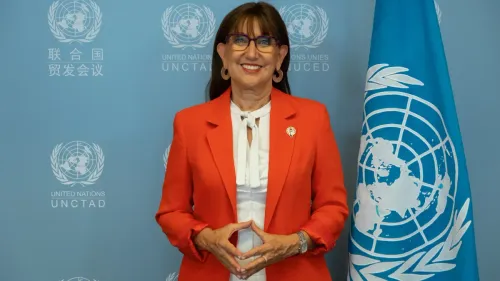
Bahamian Prime Minister Philip Davis endorsed Guyana's UN Ambassador Carolyn Rodrigues-Birkett at the UN General Assembly , backing a candidate who could become the first woman to head the UN.
No woman has served as UN Secretary-General since the organisation was founded in 1945 ; no Caribbean national has held the post either.
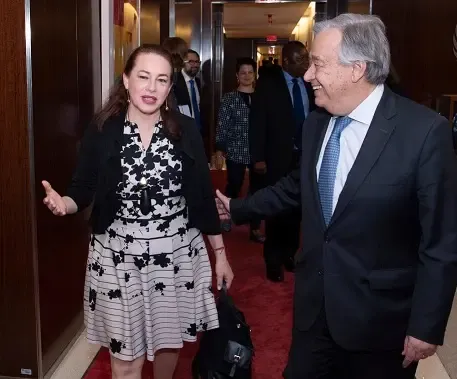
António Guterres departs at the end of 2026 ; his successor takes office on 1 January 2027 .
Leaders including Czech President Petr Pavel , Germany , France , Brazil , China , and the United States laid out sharply different visions for the next Secretary-General.
President Donald Trump said the US had already delivered 'the most sweeping reform in UN history', while China called for amplifying the Global South 's voice.
The final choice requires consensus among all five Security Council permanent members — China , France , Russia , Britain , and the US — each holding a veto.
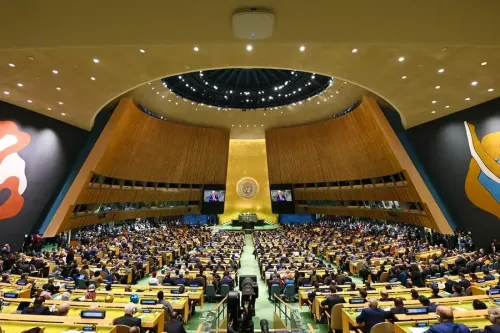
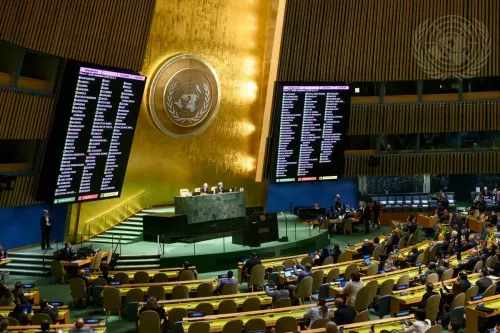
The race to succeed António Guterres as United Nations Secretary-General has moved to the centre of the UN General Assembly debate, with world leaders calling for stronger leadership and the Bahamas throwing its weight behind a Caribbean diplomat who could become the first woman ever to lead the world body.
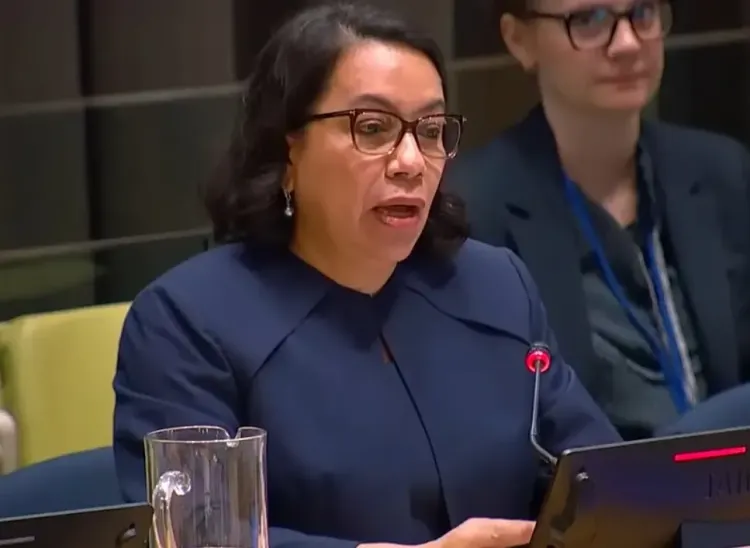
Bahamian Prime Minister Philip Davis formally endorsed Guyana's UN Ambassador Carolyn Rodrigues-Birkett for the top post, pointedly noting that all nine Secretaries-General since the organisation's founding in 1945 have been men — and that no person from the Caribbean has ever held the position.
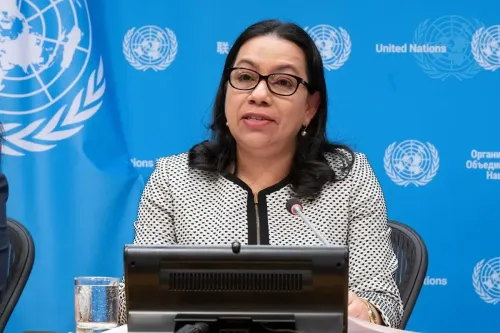
Rodrigues-Birkett was officially nominated by Guyana and took part in an interactive dialogue with UN member states in June 2026. Her candidacy has drawn fresh attention to a historic gap: despite decades of calls for greater gender representation in senior international roles, no woman has led the UN in its 81-year history.
What World Leaders Demanded
Czech President Petr Pavel said the successor to Guterres would face the defining task of adapting the organisation to intensifying geopolitical competition and fragmentation. 'Diplomacy matters most not between friends, but between adversaries,' Pavel said, adding that the UN remained indispensable as a forum for dialogue even when agreement appeared distant.
German Foreign Minister Johann Wadephul argued the next Secretary-General must lead far-reaching reform, and close the gap between what member states expect from the UN and the resources and authority they actually provide it. A functioning United Nations, he said, should help resolve conflicts rather than simply manage them.
French President Emmanuel Macron also called for institutional reform, framing the stakes in stark terms: the world faces a choice between international order and, in his words, 'a return to the law of the jungle.'
China, US Offer Contrasting Visions
Chinese Vice President Han Zheng said Beijing wants a successor who 'honors the UN Charter, has exceptional capability, upholds integrity and fairness, and demonstrates courage and dedication.' China further argued that reform should strengthen the organisation and amplify the voice of the Global South, rather than focus solely on cutting budgets and mandates.
The United States offered a markedly different vision. President Donald Trump said his administration had already implemented 'the most sweeping reform in UN history', including significant budget cuts and the elimination of thousands of positions. Trump said the organisation had 'great potential' but must stop advancing policies imposed by 'unelected international officials'.
Brazilian President Luiz Inácio Lula da Silva said the UN's credibility had hit a low point because of the Security Council's inability to prevent or resolve ongoing conflicts in Europe, the Middle East, and Africa.
The Selection Process and Timeline
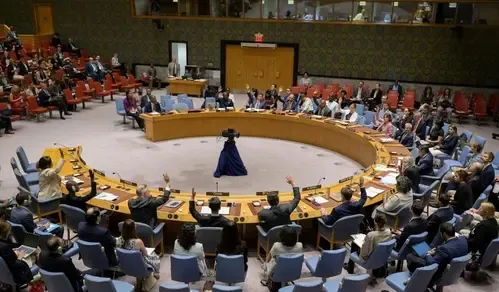
The next Secretary-General is formally chosen by the General Assembly on the recommendation of the Security Council. Because each of the council's five permanent members — China, France, Russia, Britain, and the United States — holds a veto, the process requires consensus among powers that are currently at odds on multiple fronts.
Guterres is due to leave office at the end of 2026 after completing two five-year terms. His successor will take office on 1 January 2027.
Stakes for the Incoming Chief
Whoever takes the post will inherit an organisation under extraordinary strain — navigating active wars, a climate crisis, the rapid spread of artificial intelligence, growing financial pressure, and deep divisions over the Security Council's relevance. Some governments want the UN to gain greater authority across these domains; others want a leaner institution with fewer mandates and stronger deference to national sovereignty. The candidacy of Rodrigues-Birkett adds a gender dimension that many delegations are unlikely to set aside quietly as the selection process advances toward its conclusion.
Point of View
But the real story at this UNGA session is the widening gulf between what major powers want the UN to be. Washington is pushing a leaner, sovereignty-first institution; Beijing wants a stronger Global South voice; Paris and Berlin want a reform-led multilateralism. The next Secretary-General will not merely inherit these tensions — they will have been chosen by navigating them, which raises an uncomfortable question: can anyone who wins the P5's consensus actually challenge any of them once in office?
NationPress
28 Sept 2026
Frequently Asked Questions
Who is Carolyn Rodrigues-Birkett and why is her candidacy significant?
Carolyn Rodrigues-Birkett is Guyana's Ambassador to the United Nations, formally nominated by Guyana for the role of UN Secretary-General. If selected, she would be the first woman and the first Caribbean national to hold the post in the organisation's 81-year history.
When does the next UN Secretary-General take office?
The next Secretary-General will take office on 1 January 2027. Current Secretary-General António Guterres is due to leave at the end of 2026 after completing two five-year terms.
How is the UN Secretary-General selected?
The Secretary-General is formally appointed by the UN General Assembly on the recommendation of the Security Council. All five permanent members — China, France, Russia, Britain, and the United States — must agree, as each holds a veto over any candidate.
What qualities are world leaders seeking in the next UN chief?
Leaders expressed widely differing expectations. Germany and France called for far-reaching institutional reform; China emphasised integrity, independence, and a stronger Global South voice; the United States focused on budget discipline and respect for national sovereignty; and Brazil and the Czech Republic stressed the need to restore the UN's credibility in resolving conflicts.
Why has the UN never had a woman Secretary-General?
Despite repeated calls for greater gender representation in senior international roles, the combination of geopolitical horse-trading among the P5 and regional rotation conventions has historically favoured male candidates from specific regions. No woman has held the position since the UN's founding in 1945, making the push around this selection cycle particularly significant.