UN Reports 118,000 Displaced Due to Clashes at Afghanistan-Pakistan Border
Synopsis
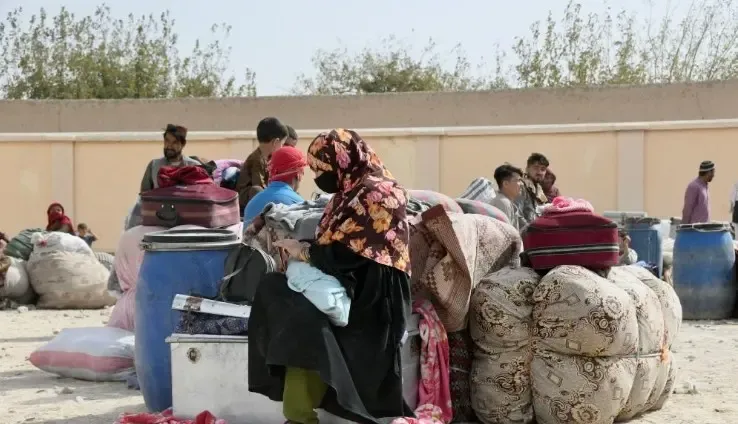
The ongoing military clashes at the Afghanistan-Pakistan border have resulted in the displacement of 118,000 individuals, marking a deepening humanitarian crisis. The UN urges an immediate ceasefire to protect civilians and facilitate humanitarian aid.
Key Takeaways
118,000 displaced due to border clashes.
UN urges immediate ceasefire and adherence to humanitarian laws.
Significant civilian casualties reported, including 42 fatalities .
The ongoing violence complicates humanitarian efforts.
Dialogue is necessary to resolve conflicts and protect civilians.
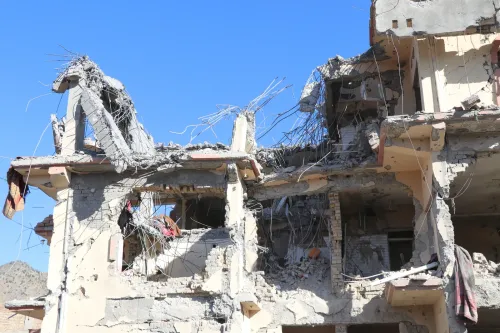
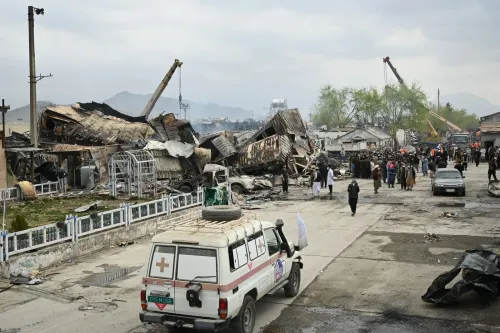
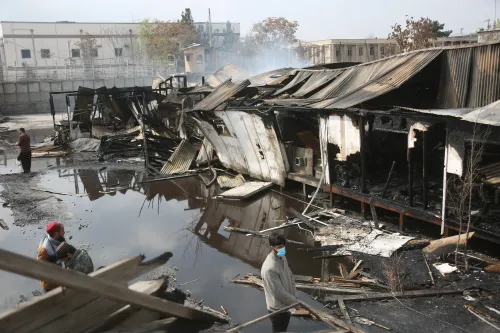
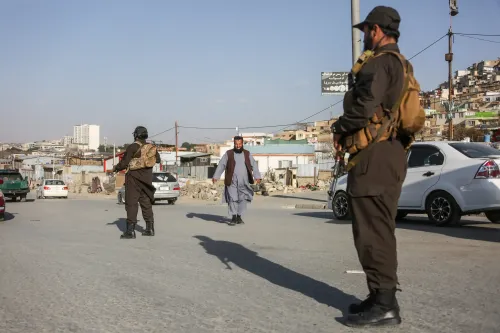
United Nations, March 7 (NationPress) The ongoing military conflicts at the Afghanistan-Pakistan border have led to a substantial humanitarian crisis, with an estimated 118,000 individuals displaced from their homes due to the recent increase in violence, as reported by a UN refugee agency.
The Office of the United Nations High Commissioner for Refugees has indicated that approximately 115,000 people have been forced to leave their homes on the Afghan side, while around 3,000 individuals have sought refuge in neighboring Pakistan. These alarming displacement numbers highlight the escalating humanitarian crisis caused by cross-border violence, according to reports from the Xinhua news agency.
In a related statement, the United Nations Assistance Mission in Afghanistan expressed serious concerns regarding the ongoing conflicts between Afghan and Pakistani security forces.
The mission called on both sides to immediately halt hostilities, comply with international humanitarian law, and implement all necessary measures to avert further civilian casualties.
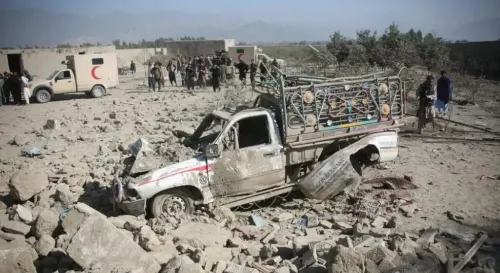
The statement released on Tuesday revealed that from the evening of February 26 to March 2, UNAMA documented at least 146 civilian casualties in Afghanistan, including 42 fatalities and 104 injuries, with women and children being among the affected.
The clashes have predominantly impacted several provinces in eastern and southeastern Afghanistan. According to an initial assessment by the UN Office for the Coordination of Humanitarian Affairs, approximately 16,400 families have been displaced due to the ongoing fighting. Some of these families had previously fled their homes due to earthquakes and are now facing yet another emergency evacuation.
UNAMA noted that the persistent fighting has significantly hampered movement, thereby complicating access for humanitarian organizations to the areas most adversely affected.
UNAMA appealed to all involved parties to resolve their disputes through dialogue, ensure the protection of civilian lives, and foster a safe and unobstructed environment for humanitarian assistance.
Point of View
It is essential to recognize the urgent humanitarian implications of the ongoing conflict at the Afghanistan-Pakistan border. The displacement of over 118,000 individuals underscores the dire need for immediate resolution and support for affected civilians.
NationPress
2 Oct 2026
Frequently Asked Questions
Why are people being displaced at the Afghanistan-Pakistan border?
Military confrontations between Afghan and Pakistani forces have escalated, leading to significant internal displacement.
How many people have been displaced according to the UN?
The UN estimates that approximately 118,000 people have been displaced due to the ongoing violence.
What measures is the UN taking to address the situation?
The UN has called for an immediate ceasefire and adherence to international humanitarian law to protect civilians.
What regions are most affected by the clashes?
The clashes have primarily impacted several provinces in eastern and southeastern Afghanistan.
How can humanitarian organizations assist those displaced?
Humanitarian organizations are striving to access affected areas, but ongoing hostilities have severely restricted their movement.