UNESCO warns Afghanistan's girl ban risks losing a generation of skilled workers
Synopsis
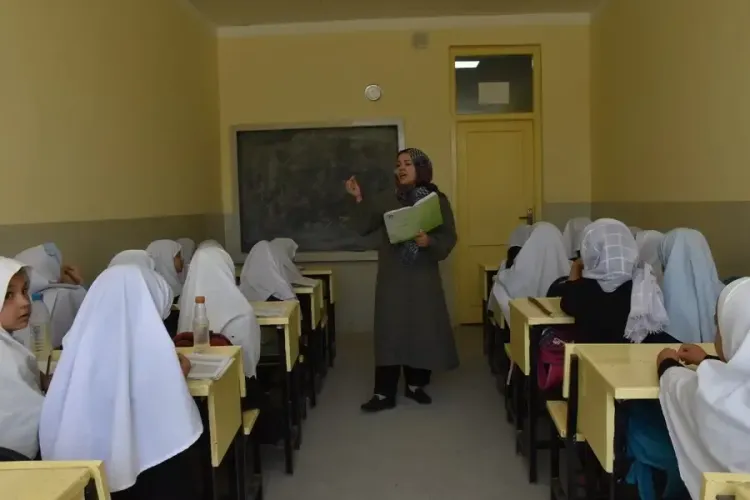
With 2.4 million Afghan girls locked out of secondary school and zero women enrolled in universities in 2026, UNESCO has warned that an entire generation of skilled professionals — especially in healthcare and education — is being lost. The alarm adds to mounting UN pressure on the Taliban, now entering its fifth year of sweeping restrictions on women and girls.
Key Takeaways
UNESCO warned on 11 November 2026 that Afghanistan risks losing an entire generation of skilled professionals due to Taliban restrictions on girls' and women's education.
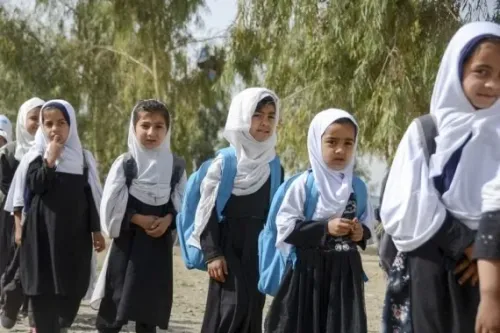
An estimated 2.4 million girls are excluded from secondary education in Afghanistan, according to a UN report published in November .
No girls enrolled in Afghan universities in 2026 , the UN report confirmed.
UNESCO coordinator Hoda Jaberian said alternative learning cannot replace formal schooling and called for schools to be reopened for girls.
UN Secretary-General António Guterres in September marked one year since Afghan women were barred from UN premises , urging the Taliban to immediately reverse the ban.
Guterres called the restrictions 'contrary to international law, including the UN Charter,' warning they impede Afghanistan's economic development and global reintegration.
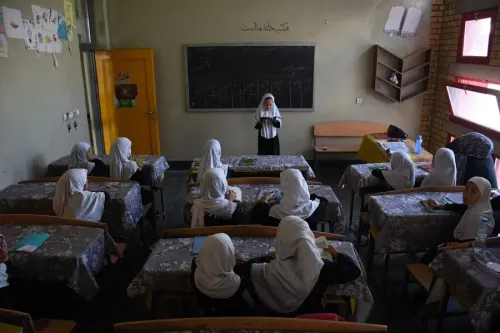
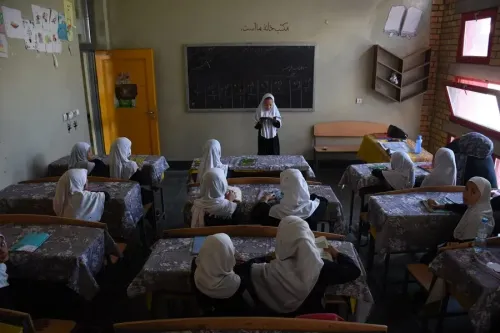
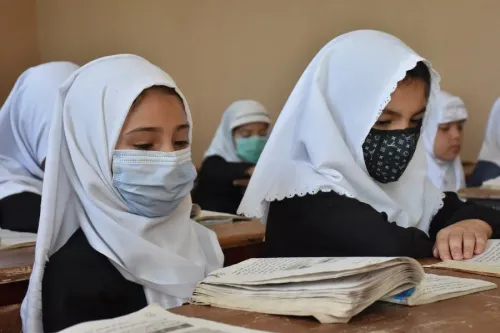
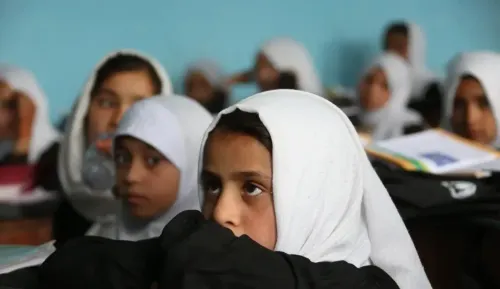
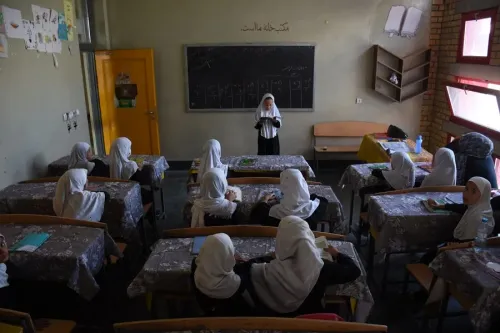
UNESCO has issued a stark warning that Afghanistan risks losing an entire generation of skilled professionals if the Taliban's ban on girls' and women's education is not reversed. The alert, delivered on Wednesday, 11 November 2026, comes as the latest United Nations report confirms that no girls enrolled in Afghan universities in 2026 and that an estimated 2.4 million girls remain excluded from secondary schooling.
UNESCO's Urgent Call to Reopen Schools
Hoda Jaberian, UNESCO's Education in Emergencies Programme Coordinator, warned that Afghanistan cannot afford to lose another generation of learners. Speaking to Afghan media, she said schools must be reopened for girls and that women should be allowed to return to the formal education system. Jaberian stressed that alternative learning opportunities — however well-intentioned — cannot substitute for regular, structured schooling.
She also called for strengthened support for teachers, improved educational materials, higher teaching standards, and better data collection to reinforce Afghanistan's education infrastructure over the long term.
Scale of the Crisis
According to a UN report published in November, the numbers lay bare the depth of the exclusion. With 2.4 million girls locked out of secondary education and university enrolment for women at zero, the pipeline of future healthcare workers, teachers, and professionals has effectively been severed. UNESCO specifically flagged healthcare and education as sectors where the talent gap will have the most severe humanitarian consequences, given that many Afghan women and girls can only be attended to by female professionals due to cultural norms.
UN Secretary-General's Condemnation
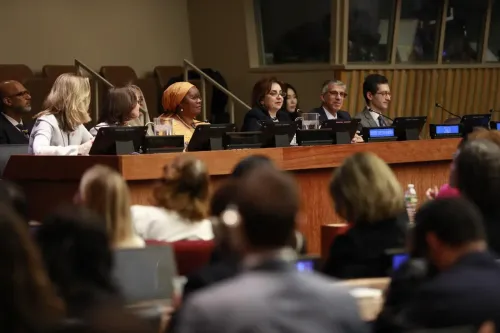
The UNESCO warning echoes a broader UN push against Taliban restrictions. In September, UN Secretary-General António Guterres expressed deep concern over what he described as continuing discriminatory policies imposed by the Taliban on Afghan women and girls. His remarks came as the 7 September date marked one full year since Afghan women were barred from accessing UN premises in Afghanistan.
Guterres called on the Taliban to immediately reverse the ban on Afghan women working for the UN and to ensure their safe and unhindered access to UN premises across the country. 'These restrictions are contrary to international law, including the UN Charter, and undermine the organisation's capacity to carry out its mandate and deliver life-saving and other assistance to the Afghan people at a time when needs remain high,' he said.
He further noted that restrictions on women's full participation in public life, education, and many areas of employment 'violate their fundamental rights and remain a critical impediment to Afghanistan's economic development, stability and reintegration into the international community.'
The Broader Pattern of Exclusion
This comes amid a sustained, multi-year rollback of women's rights in Afghanistan since the Taliban's return to power in 2021. The ban on girls' secondary and higher education is among the most sweeping in the world, drawing repeated condemnation from the UN, human rights organisations, and governments globally. Notably, the Taliban have resisted international pressure, framing the restrictions in cultural and religious terms — a position that has deepened Afghanistan's diplomatic isolation.
Guterres also urged the Taliban to lift all restrictions imposed on Afghan women and girls and to uphold their rights to 'full, equal, and meaningful participation in all aspects of Afghan society.' With UNESCO now adding fresh urgency to the call, international pressure on the Taliban appears to be intensifying ahead of further UN consultations on Afghanistan.
Point of View
One that mainstream coverage continues to sidestep, is whether economic leverage — aid conditionality, asset freeze enforcement, or trade isolation — can achieve what moral pressure alone has not. Afghanistan's healthcare system, already dependent on female workers to reach women patients, is approaching a functional collapse in some provinces; that is a humanitarian crisis with a direct, preventable cause.
NationPress
11 Nov 2026
Frequently Asked Questions
What has UNESCO warned about Afghanistan's education crisis?
UNESCO has warned that continued Taliban restrictions on girls' and women's education risk depriving Afghanistan of an entire generation of skilled professionals, particularly in healthcare and education. The warning was issued on 11 November 2026 by UNESCO's Education in Emergencies Programme Coordinator Hoda Jaberian.
How many girls are excluded from education in Afghanistan?
According to a UN report published in November, an estimated 2.4 million girls in Afghanistan are excluded from secondary education. Additionally, no girls enrolled in Afghan universities in 2026, marking a complete shutdown of women's higher education.
What did UN Secretary-General Guterres say about Afghan women?
In September, UN Secretary-General António Guterres expressed deep concern over Taliban restrictions on Afghan women and girls, calling them contrary to international law and the UN Charter. He also marked one year since Afghan women were barred from UN premises and called on the Taliban to immediately reverse the ban.
Why does the ban on girls' education matter beyond schools?
UNESCO specifically highlighted that sectors such as healthcare rely heavily on female professionals, particularly because cultural norms in Afghanistan mean many women and girls can only be treated by female providers. Excluding women from education cuts off the pipeline of doctors, nurses, and teachers the country critically needs.
What has the Taliban's response been to international pressure on women's rights?
The Taliban have consistently resisted international calls to reverse restrictions on women and girls, framing the policies in cultural and religious terms. Despite repeated UN resolutions and condemnations from governments globally, the restrictions have been progressively tightened since the Taliban's return to power in 2021.