US sought Europe's help on India-China tariffs over Russian energy; allies refused: Bessent
Synopsis
Washington explicitly named India and China as the two primary targets of the suspended Lindsey Graham sanctions, with Treasury Secretary Scott Bessent revealing that a spring 2026 push to get European allies to join secondary tariffs on New Delhi and Beijing was rejected outright — leaving India in a geopolitical grey zone where the tariff threat is paused, not gone.
Key Takeaways
Treasury Secretary Scott Bessent confirmed the US asked European allies in spring 2026 to join secondary tariffs on India and China over Russian energy purchases — they refused.
Energy Secretary Chris Wright identified India and China as the two principal countries facing potential penalties under the Lindsey Graham Act .
President Trump suspended enforcement of the Lindsey Graham sanctions but retained authority to impose them; existing sanctions on major Russian energy firms remain in force.
Bessent cited 136 of 140 Yamal energy cargoes in the first half of the year going to European nations including Belgium , Spain , France , and the Netherlands , worth more than $8 billion .
A 60-day review period is underway; Indian refiners and policymakers face continued uncertainty over US-India trade and energy sanctions.
Ukrainian President Zelensky and Republican lawmakers warned that easing economic pressure could benefit Moscow without securing a ceasefire.
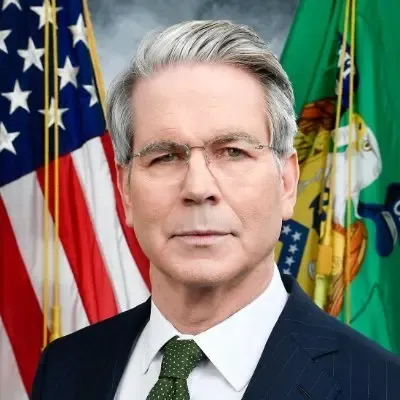
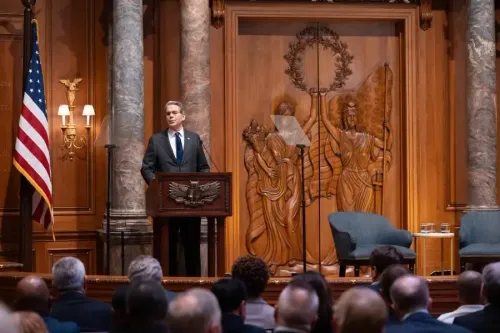
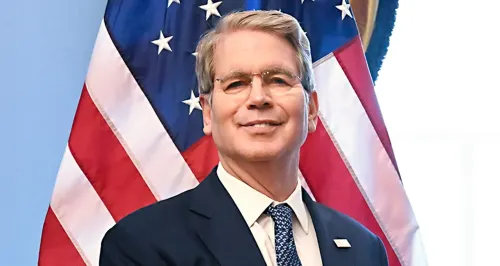
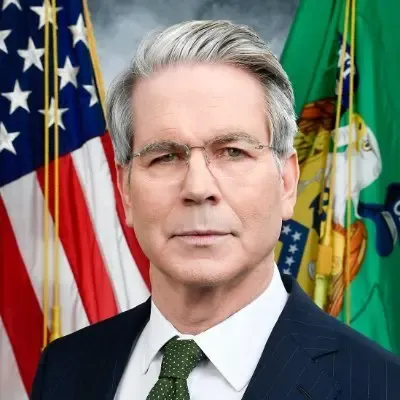
Treasury Secretary Scott Bessent said on Sunday, 19 October 2026, that the United States had asked its European allies to join in imposing secondary tariffs on India and China over their purchases of Russian energy — and that those allies had flatly refused. Bessent was defending the Trump administration's decision to suspend enforcement of new sanctions against countries trading with Moscow.
What Bessent Said
Appearing on NBC's Meet the Press, Bessent said Washington had approached European governments in the spring with a proposal for coordinated secondary tariffs on China and India. 'So we have asked, in the spring, I asked our European allies to join us in putting secondary tariffs on China, on India. They refused,' Bessent said. 'So why should the U.S. bear the burden?' he added.
The Treasury Secretary accused European governments of continuing to finance Russia through energy purchases even as they declined to participate in economic pressure measures. He cited the Yamal facility, saying 140 cargoes had departed in the first six months of the year, with 136 going to European destinations — including Belgium, Spain, France, and the Netherlands — in shipments worth more than $8 billion.
The Lindsey Graham Sanctions: What Was Suspended
Energy Secretary Chris Wright, speaking separately on CNN's State of the Union, drew a careful distinction between direct sanctions on Russia and penalties targeting countries that trade with Moscow. 'The Lindsey Graham Act is not about economic sanctions on Russia. It is about economic sanctions on countries that trade with Russia,' Wright said. 'There are two of those that are meaningful, China and India,' he added.
Wright confirmed that President Donald Trump had not lifted the Lindsey Graham sanctions outright but had suspended enforcement, retaining the authority to impose them at a later stage. 'He didn't end the Lindsey Graham sanctions. He's just suspended the enforcement of them for now,' Wright said.
Clarifications on What Was — and Was Not — Changed
Bessent was emphatic that no existing sanctions had been removed. 'No sanctions were lifted on Friday. No sanctions were lifted,' he said, distinguishing the suspension of new penalties from a separate decision to ease restrictions on Russian diesel exports. He argued that the legislation provided a 60-day review period and that core sanctions on major Russian energy companies remained intact.
Wright defended the diesel arrangement, arguing that Russia could benefit only if it reduced military operations sufficiently to free up additional fuel for export. He said existing restrictions on Russian crude oil remained in place.
Pushback From Ukraine and Republican Lawmakers
Ukrainian President Volodymyr Zelensky and several Republican lawmakers argued that easing economic pressure could benefit Moscow without securing an end to hostilities. Critics contend the move sends a mixed signal to trading partners such as India and China, who now face an uncertain sanctions timeline rather than a firm deadline.
What This Means for India
India has been among the largest buyers of discounted Russian crude since the post-2022 Western sanctions reshaped global energy flows. The explicit naming of India — alongside China — by two senior Cabinet officials as the primary targets of the Lindsey Graham framework puts New Delhi on notice that secondary tariff risk has not disappeared; it has merely been paused. The 60-day review window will be closely watched by Indian refiners and policymakers tracking US-India trade relations.
Washington is also reported to be holding broader discussions with Beijing on the Ukraine conflict and long-term trade ties, adding a further layer of geopolitical complexity to the enforcement calculus.
Point of View
At least temporarily. But the 60-day clock also means India cannot treat this as a resolution; it is a reprieve. Indian refiners who have built Russia-dependent supply chains since 2022 are now operating under an explicit threat that US officials have named, quantified, and merely deferred. The broader contradiction — European nations consuming $8 billion of Russian Yamal gas while lecturing on Ukraine solidarity — is one Bessent is clearly prepared to exploit publicly, and that rhetorical shift could accelerate pressure on both India and Europe in the weeks ahead.
NationPress
19 Oct 2026
Frequently Asked Questions
Why did the US seek European support for tariffs on India and China?
Washington wanted a coordinated front to impose secondary tariffs on India and China for buying Russian energy, aiming to reduce Moscow's revenue from energy exports. Treasury Secretary Scott Bessent said European allies were asked to join in spring 2026 but refused, prompting the US to reassess its unilateral approach.
What are the Lindsey Graham sanctions and why do they matter for India?
The Lindsey Graham Act authorises economic sanctions against countries that continue to trade with Russia, with India and China explicitly identified as the two most significant targets. President Trump suspended enforcement — not lifted the law — meaning India remains at risk of secondary tariffs if Washington decides to re-engage the mechanism after the 60-day review.
Were existing Russia sanctions lifted by the Trump administration?
No. Treasury Secretary Bessent stated emphatically that no sanctions were lifted, specifically repeating: 'No sanctions were lifted on Friday. No sanctions were lifted.' The action taken was a suspension of new enforcement, distinct from removing existing restrictions on Russian energy companies.
How does this affect India's energy trade with Russia?
India has been among the largest buyers of discounted Russian crude since Western sanctions reshaped global energy markets in 2022. The US naming India as a primary Lindsey Graham target signals ongoing tariff risk; the 60-day suspension is a pause, not a clearance, and Indian refiners and policymakers will need to monitor the review closely.
What was the controversy around European energy purchases from Russia?
Bessent alleged that European countries continued to buy large volumes of Russian energy even while refusing to join tariff action on India and China. He cited 140 Yamal energy cargoes in the first half of the year, with 136 going to European destinations including Belgium, Spain, France, and the Netherlands, totalling more than $8 billion.