US biotech workforce bill targets China edge in emerging tech
Synopsis
A bipartisan US bill introduced by Congressman Ro Khanna and Rep. Rich McCormick would force the first-ever federal audit of America's biotechnology workforce — a direct response to an April 2025 national security finding that Washington lacks the bio-literate personnel needed to stay ahead of China in one of the century's most strategic sectors.
Key Takeaways
Congressman Ro Khanna and Rep.
Rich McCormick introduced the Federal Biotechnology Workforce Assessment Act on Thursday, 22 May .
The bill directs the Office of Personnel Management (OPM) to assess current and future federal biotech staffing needs across government agencies.
It is paired with McCormick's Biotechnology Workforce Alignment Act to jointly address workforce gaps and align federal research priorities with industry needs.
The legislation follows an April 2025 NSCEB report warning that a trained government biotech workforce is essential to maintaining US leadership over China .
NSCEB Commissioner Paul Arcangeli called the biotech workforce 'a national security asset,' noting it must include technicians and skilled trades, not just scientists.
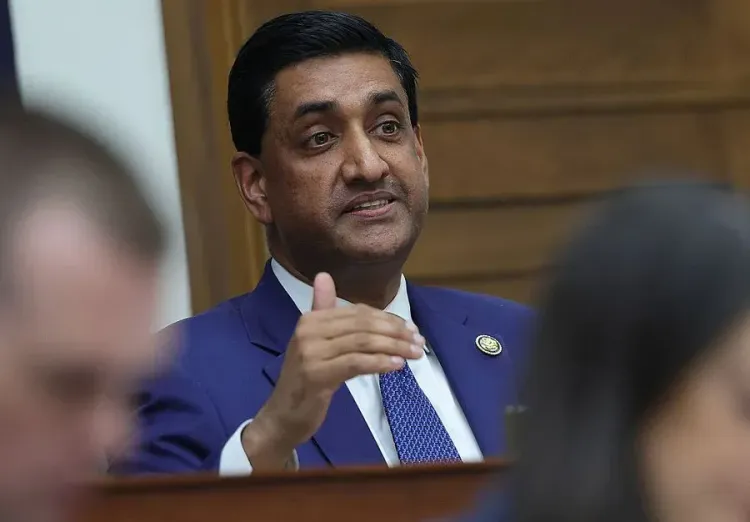
Indian American Congressman Ro Khanna and Representative Rich McCormick on Thursday introduced the Federal Biotechnology Workforce Assessment Act in Washington, directing federal agencies to evaluate whether the US government has sufficient skilled personnel to sustain American leadership in biotechnology — a sector where competition with China is intensifying rapidly.
What the Legislation Proposes
The bill tasks the Office of Personnel Management (OPM) with working alongside federal agencies to define the biotechnology workforce and assess current and projected staffing needs for 'bio-literate' employees across government. The resulting report would be submitted to Congress to guide future hiring strategies and workforce development policies tied to biotechnology, artificial intelligence (AI), and advanced manufacturing.
The measure is paired with McCormick's companion legislation, the Biotechnology Workforce Alignment Act. Together, the two bills are designed to identify workforce gaps and align federal research priorities with the needs of the biotechnology industry.
The National Security Backdrop
The legislation follows an April 2025 assessment by the National Security Commission on Emerging Biotechnology (NSCEB), which concluded that a properly trained biotechnology workforce within the US government was essential to maintaining American leadership in emerging technologies. NSCEB Commissioner Paul Arcangeli described the biotechnology workforce as 'a national security asset.'
'These bills are an important step toward making sure the United States can stay ahead in scientific innovation, AI-enabled discovery, and advanced biomanufacturing,' Arcangeli said. He stressed that the pipeline must extend beyond laboratory scientists to include 'industrial technicians, mechanics, pipefitters, and other skilled workers who will power the biotechnology economy of the future.'
What the Lawmakers Said
Khanna framed the bill as a competitiveness imperative. 'Investments into bolstering America's federal biotechnology workforce will pave a path toward economic and scientific leadership for the US in the 21st-century economy,' he said. He added that the legislation would 'assess America's preparedness to beat China in biotechnology discovery, invention, and entrepreneurship.'
McCormick cast the proposal as both an economic and national security initiative. 'America leads the world in biotechnology, and we need to keep it that way,' he said. 'Right now, we're making historic investments in biotech research and biomanufacturing. Still, we're leaving talent on the table because we don't have a coordinated strategy to build the workforce that industry actually needs.'
Broader Context and What Comes Next
The bill arrives amid sustained concern in Washington that the United States risks ceding ground to China in strategic sectors including biotechnology, AI, and quantum technologies. Notably, this is a bipartisan effort — a rarity in the current legislative climate — signalling that biotech competitiveness commands cross-aisle urgency. The legislation must clear committee review before advancing to a full Congressional vote, and its passage would set in motion the first comprehensive federal audit of biotechnology staffing needs.
Point of View
Cross-aisle agreement on biotech competitiveness signals genuine strategic alarm about China's trajectory. Yet a workforce assessment, however thorough, is not a workforce strategy. The harder question Washington has not answered is whether federal pay scales and procurement timelines can actually attract the bio-literate talent the private sector is competing fiercely to retain. Labelling biotech workers a 'national security asset' is a useful framing, but without funding mandates or hiring reforms attached, this risks being an expensive audit that produces a report, not a result.
NationPress
6 Oct 2026
Frequently Asked Questions
What is the Federal Biotechnology Workforce Assessment Act?
It is a bipartisan bill introduced on 22 May by Congressman Ro Khanna and Rep. Rich McCormick that directs the Office of Personnel Management to assess whether the US federal government has enough skilled biotechnology personnel. The findings would be reported to Congress to shape future hiring and workforce development policy.
Why are US lawmakers focused on biotechnology and China now?
An April 2025 assessment by the National Security Commission on Emerging Biotechnology concluded that a trained government biotech workforce is essential to maintaining American leadership over China in emerging technologies. The bill is a direct legislative response to that finding.
How does this bill relate to McCormick's Biotechnology Workforce Alignment Act?
The two bills form a paired legislative package. While Khanna's bill mandates a workforce assessment to identify gaps, McCormick's Biotechnology Workforce Alignment Act focuses on aligning federal research priorities with actual industry workforce needs.
Who counts as part of the biotechnology workforce under this bill?
According to NSCEB Commissioner Paul Arcangeli, the definition extends well beyond laboratory scientists to include industrial technicians, mechanics, pipefitters, and other skilled workers needed to power advanced biomanufacturing.
What happens after the workforce assessment is completed?
The OPM report would be submitted to Congress, where it is intended to inform future federal hiring strategies and workforce development policies linked to biotechnology, artificial intelligence, and advanced manufacturing.