US CENTCOM strikes Iran again, warns of continued military readiness
Synopsis
The US military has struck Iranian command centres, missile sites, and maritime assets for another round in what is emerging as a sustained pressure campaign to keep the Strait of Hormuz open. With 900 commercial vessels and 450 million barrels of crude oil already shepherded through since May, and the State Department now issuing a worldwide caution, this conflict is no longer contained to the region — it is a global risk event.
Key Takeaways
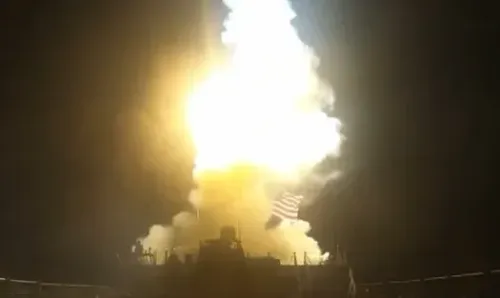
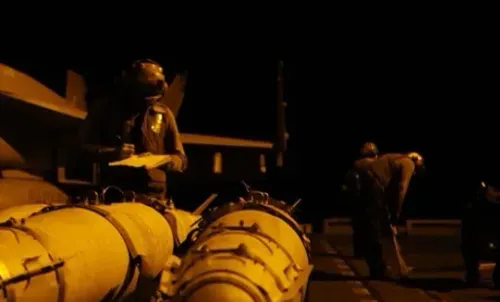
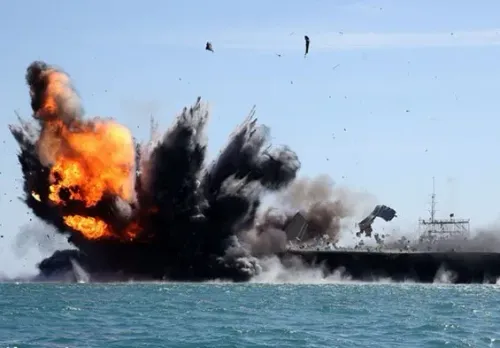
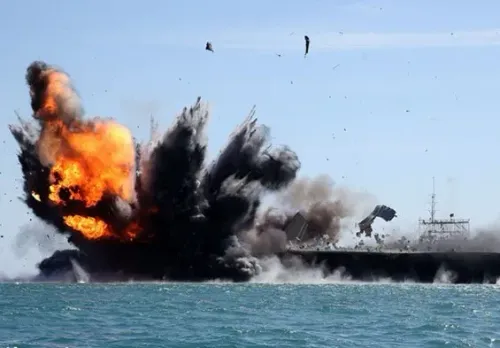
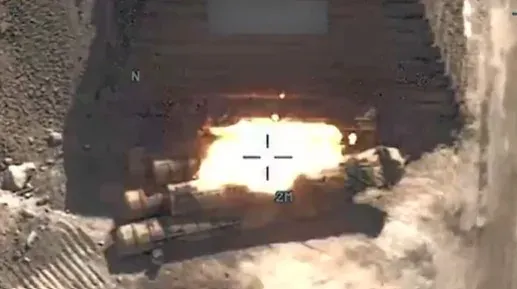
US CENTCOM completed fresh strikes against Iran at 9 pm ET on 20 July , hitting command centres, maritime assets, missile and drone sites, and air defence systems.
The strikes aim to degrade Iran's ability to attack commercial vessels in the Strait of Hormuz .
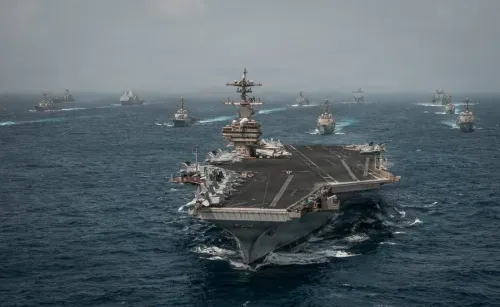
Since early May , US forces have facilitated transit of approximately 900 commercial vessels and 450 million barrels of crude oil through the strait.
The US State Department issued a worldwide caution, warning Americans of potential flight cancellations, airspace closures, and threats to US diplomatic facilities globally.
The department warned that Iran and allied groups may target US interests worldwide, not just in the Middle East.
US Central Command (CENTCOM) completed a fresh round of strikes against Iran at 9 pm ET on 20 July, targeting military command centres, maritime capabilities, missile and drone launch sites, and air defence systems. The operation was aimed at degrading Tehran's capacity to threaten commercial shipping in the Strait of Hormuz, one of the world's most critical energy corridors.
What CENTCOM Struck and Why
According to an official post on X, CENTCOM stated: 'U.S. Central Command (CENTCOM) completed another round of strikes against Iran at 9 p.m. ET, July 20. US forces struck Iranian military command centres, maritime capabilities, missile and drone launch sites, and air defence systems to degrade Iran's ability to continue attacking commercial vessels flowing through the Strait of Hormuz.'
US forces characterised Iran's actions against civilian mariners as unwarranted aggression and warned they remain prepared to take further military action. The strikes represent an escalation in direct US military engagement with Iranian military infrastructure.
Commercial Shipping Through the Strait
Despite the ongoing hostilities, CENTCOM reported that commercial vessel transits through the Strait of Hormuz have continued. Since early May, US forces have reportedly helped facilitate the transit of approximately 900 commercial vessels and 450 million barrels of crude oil through the corridor.
The Strait of Hormuz is a chokepoint through which a significant share of global oil shipments pass, making its security a matter of international economic concern. Any sustained disruption risks triggering sharp moves in global energy markets.
US State Department Issues Worldwide Caution
Separately, the US Department of State's Bureau of Consular Affairs issued a worldwide caution notice, warning American citizens about the deteriorating security environment. In an official post on X, the department stated: 'Worldwide Caution: Due to heightened tensions in the Middle East, the security environment remains complex with the potential for unforeseen escalation.'
The advisory urged Americans currently in the Middle East to exercise heightened vigilance, remain prepared for possible flight cancellations, periodic airspace closures, and travel disruptions, and to monitor embassy and consular security alerts closely.
Threat to US Interests Beyond the Region
The State Department also warned that the threat extends beyond the Middle East, noting that US diplomatic facilities have already been targeted. 'Iran and groups supportive of Iran may target other U.S. interests overseas or at locations associated with the United States and Americans throughout the world,' the department said.
Citizens were advised to enrol in the Smart Traveler Enrollment Program (STEP) and follow official security update channels for the latest alerts.
Broader Context and What Comes Next
The latest strikes come amid a sustained period of heightened tensions across the Middle East, with concerns growing over the possibility of further escalation. This is not the first round of US strikes against Iranian military infrastructure in recent months — the pattern suggests a deliberate, graduated pressure campaign rather than a one-off response.
Analysts warn that each exchange raises the risk of miscalculation. With US forces explicitly stating readiness for continued action and Iran yet to publicly respond to this latest round, the situation remains volatile and closely watched by energy markets, regional governments, and global security observers.
Point of View
Graduated military campaign — CENTCOM's language of 'another round' signals doctrine, not improvisation. The real stakes are economic: the Strait of Hormuz carries enough crude to move global oil prices on a bad week, and with 450 million barrels already in play since May, the cost of miscalculation is priced into every barrel. The worldwide caution notice is the more underreported story — it signals that Washington privately assesses the threat as transnational, not regional. That is a significant escalation in threat posture, even if the press release language remains measured.
NationPress
21 Jul 2026
Frequently Asked Questions
What did US CENTCOM strike in Iran on 20 July?
US CENTCOM struck Iranian military command centres, maritime capabilities, missile and drone launch sites, and air defence systems on 20 July at 9 pm ET. The strikes were aimed at degrading Iran's ability to attack commercial vessels in the Strait of Hormuz.
Why is the Strait of Hormuz significant?
The Strait of Hormuz is one of the world's most critical energy chokepoints, through which a significant share of global oil shipments pass. Disruptions to the strait can affect global crude prices and energy supply chains. Since early May, US forces have helped facilitate transit of approximately 900 commercial vessels and 450 million barrels of crude oil through the corridor.
What is the US State Department's worldwide caution notice?
The US Department of State's Bureau of Consular Affairs issued a worldwide caution advising American citizens of a complex and potentially escalating security environment due to Middle East tensions. It warned of possible flight cancellations, airspace closures, and threats to US diplomatic facilities globally, urging Americans to monitor official alerts.
Is the threat from Iran limited to the Middle East?
No. The State Department explicitly warned that Iran and groups supportive of Iran may target US interests overseas and at locations associated with the United States and Americans throughout the world, indicating the threat is assessed as transnational.
Has the US signalled further military action against Iran?
Yes. CENTCOM stated that US forces remain prepared to take further action against Iran, characterising Tehran's attacks on civilian mariners as unwarranted aggression. The language suggests a sustained pressure campaign rather than a one-time response.