US-China trade truce extended to January 10 ahead of Trump-Xi summit
Synopsis
Trump broke protocol to welcome Xi on the tarmac at Joint Base Andrews — and before the main talks had even started, Treasury Secretary Bessent announced a two-month extension of the US-China trade truce to January 10. The gesture signals both sides want more time, not a breakthrough: rare earth supplies and suspended tariffs stay intact, but AI, Taiwan, and Iran remain firmly on the table.
Key Takeaways
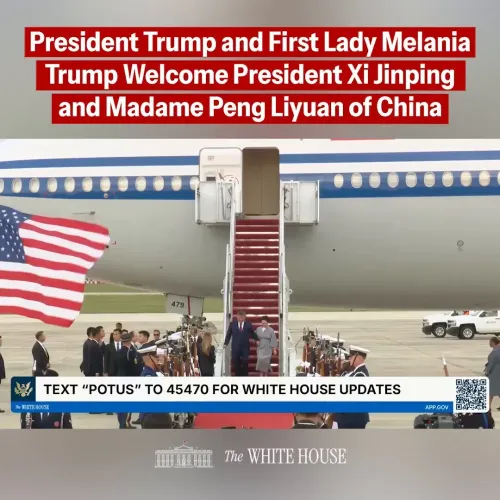
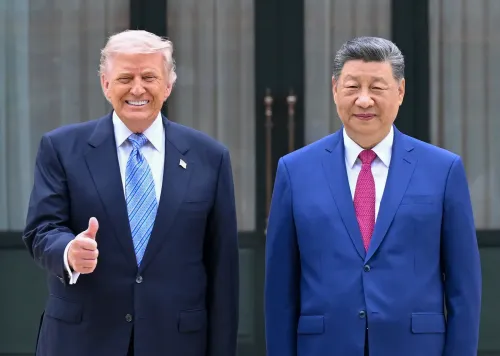
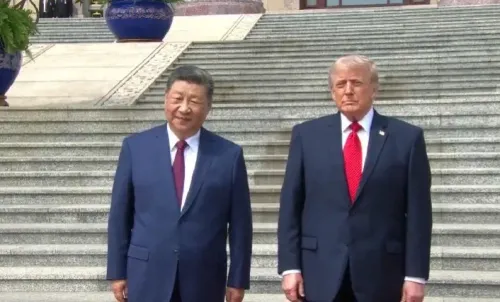
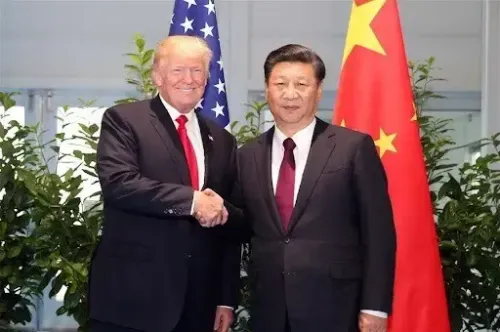
US President Donald Trump welcomed Chinese President Xi Jinping at Joint Base Andrews on Wednesday — an unusually direct reception rarely extended to visiting heads of state.
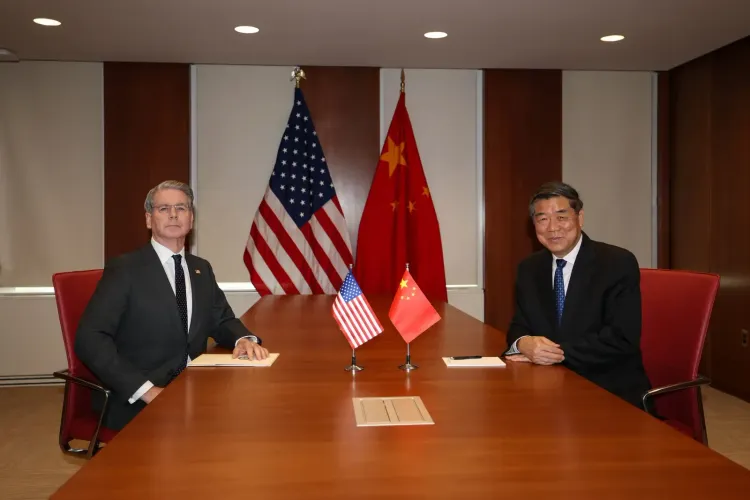
Treasury Secretary Scott Bessent confirmed the US-China trade truce has been extended from November 10 to January 10 .
The arrangement preserves the suspension of certain US tariffs in exchange for China maintaining rare earth mineral supplies to American manufacturers.
Key disputes over artificial intelligence , Taiwan , and Iran were not resolved by the extension.
Senator Roger Wicker urged Trump to press Xi on China's military buildup; Secretary of State Marco Rubio defended the engagement.
Xi's visit runs through Friday , with a state dinner scheduled for Thursday and the leaders' main talks still ahead.
US President Donald Trump and Chinese President Xi Jinping met at Joint Base Andrews in Maryland on Wednesday evening as Washington announced a two-month extension of its trade truce with Beijing, pushing the deadline from November 10 to January 10. The announcement marked an early, if limited, result from the high-stakes state visit before the leaders' main talks had even begun.
The Airport Welcome
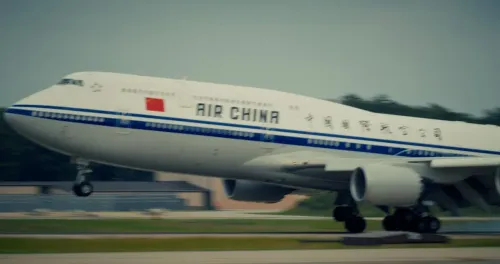
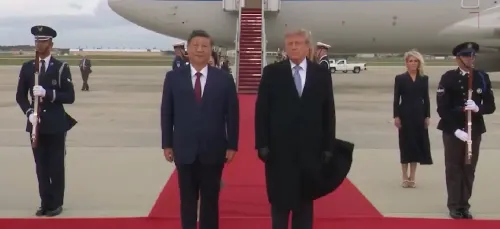
In an unusual diplomatic gesture, Trump — accompanied by First Lady Melania Trump — received Xi and his wife, Peng Liyuan, directly on the tarmac at Joint Base Andrews, a setting rarely used for visiting heads of state, who are typically welcomed at the White House. A red carpet, a military honour guard, and a flyover by two B-1 bombers marked the ceremony. Reports indicate that Trump smiled and patted Xi on the shoulder as the two walked along the carpet together.
What the Trade Extension Covers
Shortly after Xi's aircraft landed, Treasury Secretary Scott Bessent confirmed the extension, according to reports from The New York Times. The arrangement involves the United States suspending certain tariffs and restrictions while China maintains supplies of rare earth minerals critical to American manufacturers. Bessent told Fox News the extension would 'give us more time to see what we can do on the economic front.' The deal preserves the status quo through January 10 while negotiations continue, but does not resolve the deeper disputes over trade volumes, technology transfer, and security.
The Broader Agenda
The leaders are expected to discuss a wide range of issues including artificial intelligence, investment flows, and economic competition. Bessent has reportedly floated the idea of a bilateral notification system for AI incidents carrying national security implications — a proposal he believes China is willing to explore, though no formal agreement has been announced. The questions of Iran and Taiwan also loom over the visit. Trump indicated he would raise China's ties with Iran, while Xi is expected to press Washington on its posture toward Taiwan, according to The Wall Street Journal. Neither issue was addressed by the trade-truce extension.
Political Criticism and Diplomatic Context
The reception has drawn scrutiny in Washington. Senator Roger Wicker, chairman of the Senate Armed Services Committee, reportedly urged Trump to press Xi on China's military buildup and its support for Iran. Secretary of State Marco Rubio defended the engagement, saying the two powers must deal with each other despite their disagreements. Officials from both countries reportedly spent weeks negotiating the protocol for Xi's reception, with the harder questions — advanced technology and geopolitical influence — remaining largely unresolved going into the talks, according to The Wall Street Journal.
What Comes Next
Xi's visit is scheduled to run through Friday. A state dinner is planned for Thursday, along with a White House welcome ceremony and a visit to the National Archives. Trump visited Beijing in May, and the two governments have since held ongoing discussions on tariffs, agricultural trade, rare earth supplies, and AI governance. The main bilateral meetings were still ahead when the trade-truce extension was announced, leaving the broader outcome of the summit open.
Point of View
Not a thaw — both sides are buying time rather than resolving anything. The airport reception, while diplomatically striking, was carefully stage-managed: weeks of protocol negotiations produced a warm optic but left the hard files — advanced chipmaking restrictions, Taiwan arms sales, and Iran sanctions evasion — untouched. Bessent's AI notification proposal is worth watching; if it advances, it would be the first genuine institutional guardrail between the two powers on emerging technology. But the January 10 deadline is itself a pressure point: it arrives just days after the new US Congress convenes, giving critics on both sides a fresh platform to disrupt any emerging consensus.
NationPress
24 Sept 2026
Frequently Asked Questions
What is the US-China trade truce extension announced on September 24?
The US and China have agreed to extend an existing trade arrangement by two months, pushing its expiry from November 10 to January 10. Under the deal, the United States suspends certain tariffs and restrictions while China continues supplying rare earth minerals to American manufacturers.
Why did Trump welcome Xi at Joint Base Andrews instead of the White House?
The decision was an unusual diplomatic gesture — US presidents typically receive foreign heads of state at the White House, not at Joint Base Andrews. Reports indicate officials from both countries spent weeks negotiating the form of Xi's reception, and the airport welcome was seen as an elevated signal of engagement.
What issues remain unresolved after the trade-truce extension?
The extension does not address the wider disputes between the two countries over trade volumes, advanced technology restrictions, geopolitical influence, Taiwan, and China's ties with Iran. These issues are expected to be raised during the leaders' main talks, which were still scheduled when the truce extension was announced.
What is the proposed US-China AI notification system?
Treasury Secretary Scott Bessent has raised the possibility of a bilateral mechanism for notifying each other about artificial intelligence incidents with national security implications. Bessent reportedly believes China is open to the idea, but no formal agreement has been announced as of the start of Xi's visit.
How long is Xi Jinping's state visit to the United States?
Xi's visit is scheduled to run through Friday. The programme includes a state dinner on Thursday, a White House welcome ceremony, and a planned visit to the National Archives, with the leaders' substantive bilateral meetings still ahead.