US-China trade truce extended to Jan 10, 2027 amid Xi-Trump summit
Synopsis
The US-China trade truce has been quietly extended by two months — not because a deal is done, but because neither side is ready to let it lapse. With Xi in Washington for dinner with Trump and AI governance on the agenda alongside agriculture shortfalls, this is the most consequential bilateral meeting of 2026, and the January 10 deadline is now the date the world's two largest economies must show something real.
Key Takeaways
The US-China trade truce has been extended until 10 January 2027 , pushing back the original 10 November expiry.
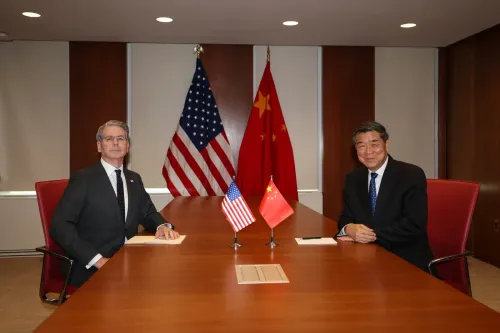
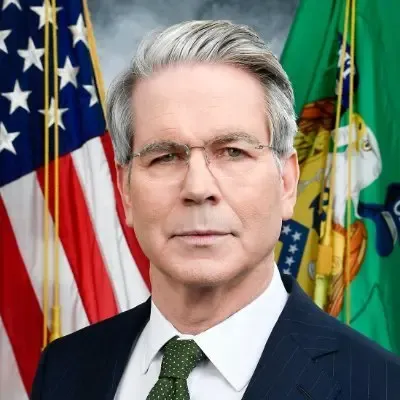
Treasury Secretary Scott Bessent announced the extension after meeting Chinese Vice Premier He Lifeng on 23 September .
China is meeting its pledge to buy 25 million tonnes of US soybeans but is reportedly falling short on other agricultural commitments.
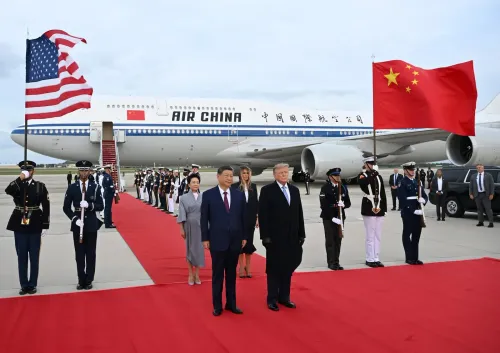
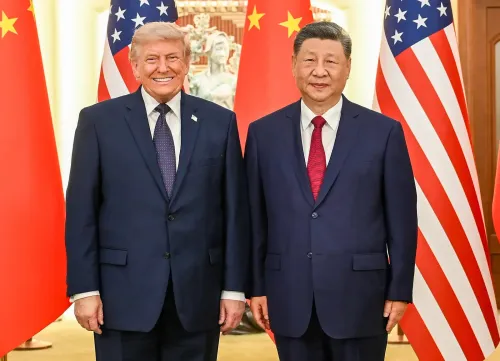
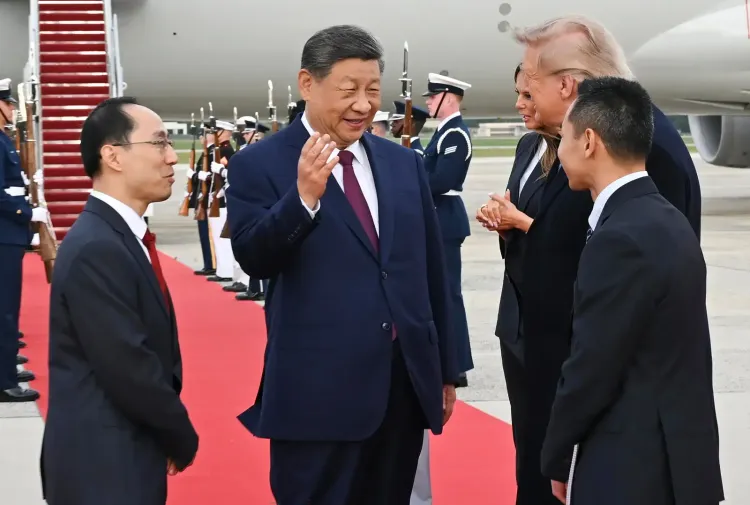
President Xi Jinping arrived in Washington for a state visit including talks with President Trump and a White House dinner.
Bilateral talks on an AI governance dialogue — including a channel for serious AI incidents — are also under discussion, separate from the trade truce.
Both sides are expected to meet again at the APEC summit in Shenzhen in November .
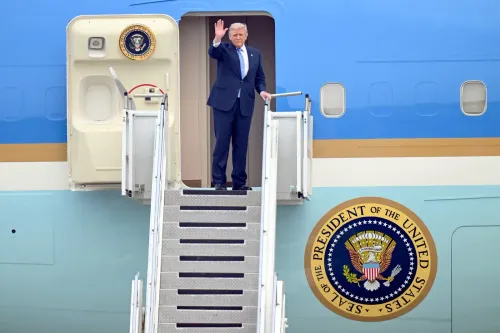
The United States and China have agreed to extend their bilateral trade truce until 10 January 2027, Treasury Secretary Scott Bessent announced on 23 September, pushing back a November 10 deadline as President Donald Trump prepared to host Chinese President Xi Jinping for high-level talks in Washington. The extension keeps intact the arrangement first reached in Busan, South Korea, while both governments explore the possibility of a broader economic agreement.
What the Extension Covers
The two-month rollover preserves the terms of the existing Busan arrangement without adding new commitments on either side. Bessent confirmed the extension following a meeting with Chinese Vice Premier He Lifeng. He stopped short of guaranteeing a comprehensive deal by the new deadline, telling Fox News: "We met today to see if we could do a bigger deal as opposed to just a series of smaller things."
Washington, Bessent indicated, remains open either to continuing the current framework or pursuing a larger, more structural agreement — leaving both tracks on the table.
Where Beijing Is Falling Short
Bessent flagged compliance gaps on the Chinese side. According to reports, Beijing is meeting its commitment to purchase 25 million tonnes of US soybeans but is reportedly falling short on a separate pledge covering other American agricultural products. The outstanding compliance questions mean the extension is less a breakthrough and more a breathing space — further negotiations lie ahead.
Xi Jinping's State Visit and the Wider Agenda
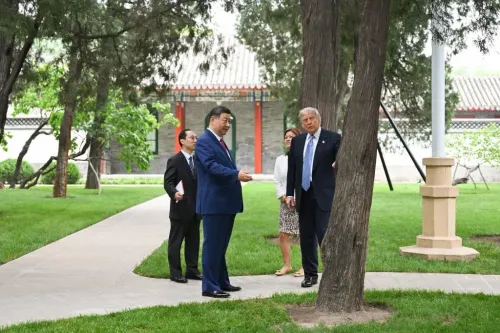
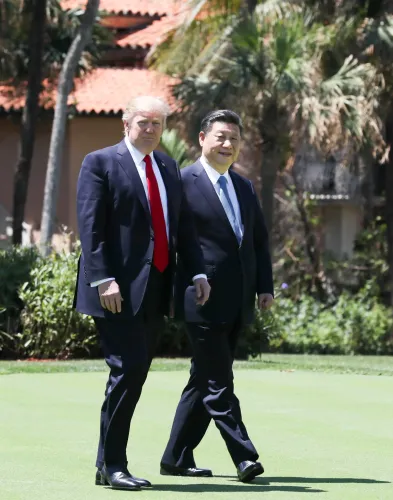
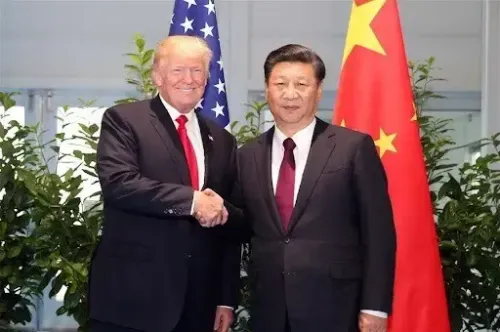
The announcement coincided with Xi Jinping's arrival in Washington for a state visit that includes a White House dinner and face-to-face talks with Trump. Trade, technology access, and broader security disputes form the backdrop to the summit. Xi, in a statement issued after his arrival, struck a conciliatory tone: "The two countries should be partners, not adversaries."
Notably, the visit is also expected to advance talks on artificial intelligence governance. Bessent discussed formalising a bilateral AI dialogue — including a dedicated communications channel for serious AI incidents — and a follow-up meeting in Shenzhen in November on the sidelines of the Asia-Pacific Economic Cooperation (APEC) summit. Those AI discussions, however, are separate from the trade-truce extension and do not indicate a concluded agreement on the technology front.
What Comes Next
The 10 January 2027 deadline now becomes the next critical marker for US-China economic relations. With compliance disputes unresolved and a 'bigger deal' still aspirational, the extension is best read as a diplomatic holding pattern rather than a resolution. Both sides will meet again at APEC in Shenzhen in November, where the shape — and ambition — of any broader agreement is likely to come into clearer focus.
Point of View
Not a deal. Beijing's shortfall on agricultural purchases beyond soybeans is a concrete sticking point that the two-month rollover does not resolve — it merely delays the reckoning. The simultaneous push on AI governance signals that Washington wants to broaden the relationship's architecture, but linking trade compliance to technology dialogue risks muddying both tracks. The January 10 deadline will arrive fast, and if China's agricultural commitments remain unfulfilled, the political cost of yet another extension will be considerably higher on the US side.
NationPress
24 Sept 2026
Frequently Asked Questions
Why have the US and China extended their trade truce?
The US and China extended their trade truce to 10 January 2027 to allow more time to negotiate a broader economic agreement, having not yet resolved outstanding trade differences before the original 10 November deadline. The extension preserves the Busan arrangement while both governments assess whether a larger deal is feasible.
What is the Busan trade arrangement between the US and China?
The Busan arrangement refers to a bilateral trade truce reached between the US and China in Busan, South Korea, which set terms for reducing trade tensions. Its extension means the agreed conditions — including Chinese purchases of US agricultural products — remain in effect until 10 January 2027.
Is China meeting its trade commitments under the truce?
Partially. According to Treasury Secretary Bessent, China is fulfilling its pledge to purchase 25 million tonnes of US soybeans but is falling short on a separate commitment covering other American agricultural products. Bessent flagged these compliance gaps publicly after meeting Chinese Vice Premier He Lifeng.
What else was discussed during Xi Jinping's Washington visit?
Beyond trade, the two sides discussed establishing a formal bilateral dialogue on artificial intelligence, including a communications channel for serious AI incidents. A follow-up meeting is being planned for November in Shenzhen on the sidelines of the APEC summit. These AI talks are separate from the trade-truce extension.
What happens if no broader deal is reached by 10 January 2027?
Treasury Secretary Bessent did not commit to completing a broader agreement by the new deadline, saying Washington remains open to either extending the existing arrangement again or pursuing a larger deal. If no agreement is reached, both governments would face renewed pressure to either renegotiate terms or allow the truce to lapse, which could escalate trade tensions.