Trump-Xi Washington summit yields limited gains, key US-China disputes unresolved
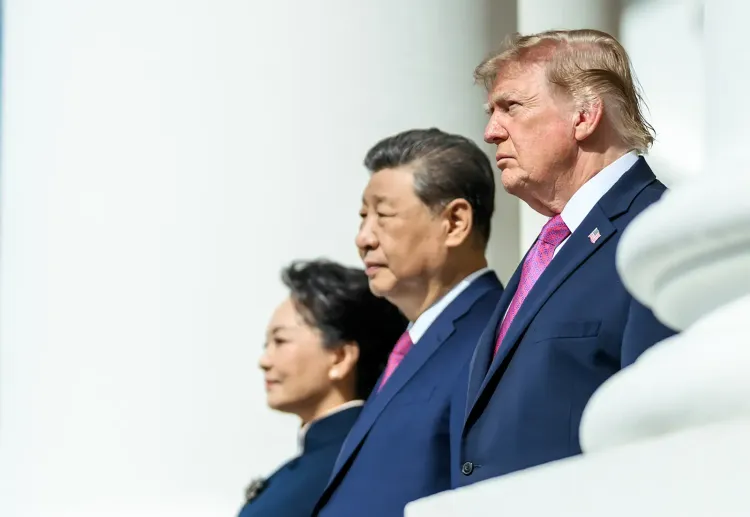
Synopsis
The Trump-Xi Washington summit kept the US-China relationship from deteriorating further — but not much more. With Boeing pledges unmet, agricultural targets missed, and rare-earth leverage firmly in Beijing's hands, the meeting is best read as a managed pause in a rivalry that shows no sign of structural resolution, with India, Japan, South Korea and Australia quietly accelerating their own supply-chain exits.
Key Takeaways
The Trump-Xi summit in Washington, DC extended the existing US-China trade truce but produced no broader political settlement.
China's promised purchases of US agricultural goods have fallen short of the $30 billion target; a pledge to buy 200 Boeing aircraft remains unrealised.
Indo-Pacific maritime security and tensions over Taiwan and the South China Sea were largely absent from the summit's core discussions.
China's control over rare-earth processing gives Beijing strategic leverage over global supply chains, with disruptions already affecting manufacturers in the US, Japan, and Europe.
According to the Japan Forward analysis, the relationship is best characterised as 'controlled instability' rather than genuine rapprochement.
Japan , India , South Korea , and Australia are each pursuing supply-chain diversification to reduce critical-mineral dependence on China.
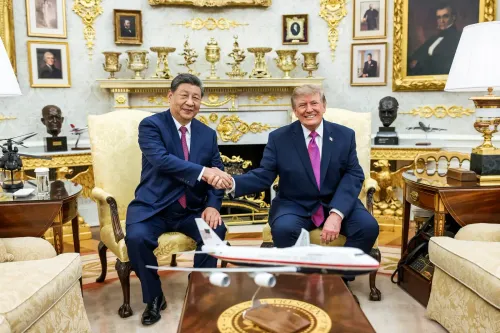
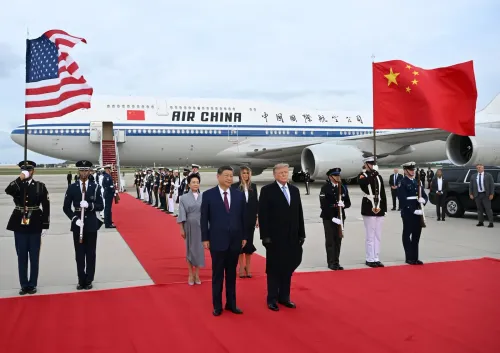
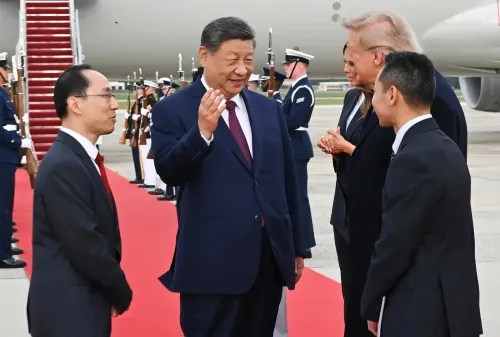
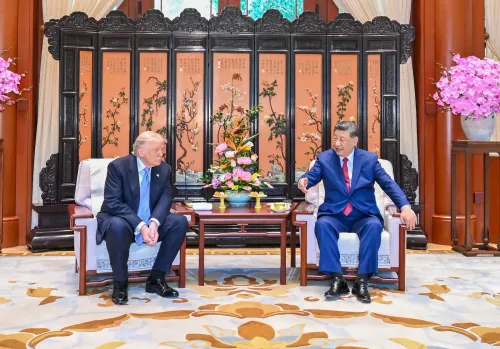
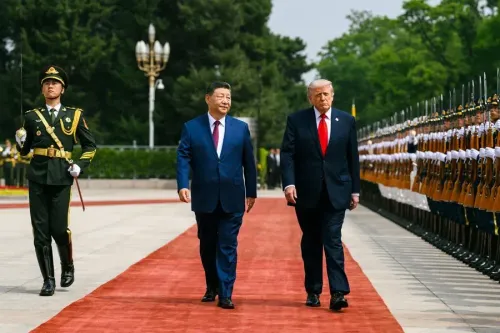
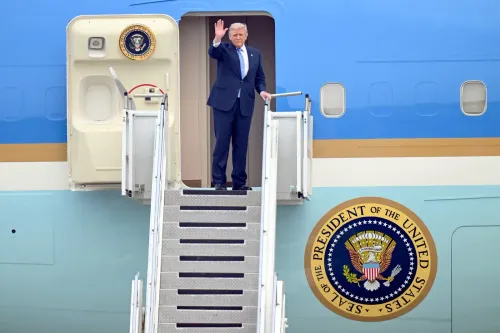
The high-stakes summit between US President Donald Trump and Chinese President Xi Jinping in Washington, DC, has produced only modest progress in US-China relations, falling well short of resolving the deep structural disputes that define the world's most consequential bilateral relationship, according to an analysis published by the Japan Forward news website. The meeting, observed on 2 October 2026, extended an existing trade truce but left critical fault lines — from rare-earth supply chains to Indo-Pacific maritime security — largely intact.
Trade Truce Extended, But Gaps Remain Wide
The two sides agreed to extend their current trade ceasefire, buying additional time for negotiations, but analysts note there is little evidence of a broader political settlement on the horizon. Several commitments reached earlier this year remain unfulfilled. China's promised purchases of American agricultural products have reportedly fallen short of the $30 billion target, while Beijing's pledge to purchase 200 Boeing aircraft is yet to be realised. Progress on a proposed bilateral Board of Investment has also been slow, reflecting what observers describe as continuing mutual suspicion over national-security concerns.
'Controlled Instability' Rather Than Genuine Rapprochement
The Japan Forward analysis characterises the current state of play in stark terms. 'The current US-China relationship is best described as a period of controlled instability rather than a genuine rapprochement. The two governments have prevented their trade dispute from returning to its most damaging phase,' the article states. Notably, maritime security in the Indo-Pacific — a flashpoint given China's assertive activities in the South China Sea and around Taiwan — remained largely outside the centre of discussions at the summit, a conspicuous omission that has not gone unnoticed by Washington's regional allies.
Rare-Earth Leverage: China's Strategic Ace
One of the most consequential unresolved issues is China's dominant position in rare-earth processing, which gives Beijing strategic control over critical minerals that underpin global supply chains in electronics, defence, and clean energy. Washington wants greater predictability in Chinese exports, but Beijing retains enormous leverage because alternative processing capacity worldwide remains limited. Disruptions triggered by China's rare-earth export restrictions have already hit manufacturers in the United States, Japan, and Europe, according to the analysis.
What the Summit Means for Asia's Middle Powers
For regional powers such as Japan, India, South Korea, and Australia, the bilateral Washington-Beijing dynamic carries consequences that extend well beyond the two principals. The analysis notes that while managing their own relationship was the immediate priority for both Washington and Beijing, the more pressing question for other Asian nations is what that relationship means for their own security and economic choices. 'A US-China agreement on rare earths may reduce immediate uncertainty, but it is unlikely to eliminate the incentive for these countries to develop alternatives,' the article observes, adding that each of these nations has already pursued some form of supply-chain diversification precisely because excessive dependence on a single supplier creates acute vulnerabilities during periods of geopolitical tension. This comes amid a broader global trend of 'friend-shoring' and critical-mineral alliances, including Quad-linked initiatives in which India has been an active participant.
What Comes Next
With the trade truce extended but no landmark deal in place, the coming months will test whether the two sides can convert managed coexistence into durable agreements on trade volumes, investment rules, and export controls. The rare-earth question in particular is likely to remain a persistent pressure point for allied nations. Any escalation in the South China Sea or renewed friction over Taiwan could rapidly erode whatever goodwill was generated in Washington.
Point of View
Defence, and clean-energy supply chains across the democratic world. The fact that it remains unresolved after a face-to-face meeting between the two presidents signals that Beijing has little incentive to give it up voluntarily. Meanwhile, the silence on Indo-Pacific maritime security is telling: if the two largest economies cannot even place the South China Sea on the formal agenda, the region's middle powers — India included — are on their own. New Delhi's ongoing quad engagement and critical-mineral diplomacy look less like hedging and more like strategic necessity in this light.
NationPress
2 Oct 2026
Frequently Asked Questions
What was agreed at the Trump-Xi summit in Washington?
The Trump-Xi summit in Washington, DC extended the existing US-China trade truce, giving both sides more time to negotiate. However, no broader political agreement was reached, and several earlier commitments — including Chinese purchases of US agricultural goods and Boeing aircraft — remain unfulfilled.
Why is the summit seen as falling short?
Analysts describe the outcome as 'controlled instability' rather than genuine rapprochement. Key issues such as Indo-Pacific maritime security, China's rare-earth export restrictions, and the proposed bilateral Board of Investment were not substantively resolved at the summit.
What is the significance of China's rare-earth leverage?
China dominates global rare-earth processing, giving it strategic control over minerals critical to electronics, defence, and clean energy. Its export restrictions have already disrupted manufacturers in the United States, Japan, and Europe, and alternative processing capacity worldwide remains limited.
How does the summit affect countries like India, Japan, and South Korea?
For regional powers like India, Japan, South Korea, and Australia, the summit's limited outcome reinforces the need for supply-chain diversification. Each country has already moved to reduce dependence on Chinese critical minerals, and analysts say a US-China rare-earth deal is unlikely to eliminate that incentive entirely.
What happens next in US-China relations?
With the trade truce extended but no landmark deal signed, negotiations on trade volumes, investment rules, and export controls will continue. Any escalation in the South China Sea or around Taiwan could quickly undermine the fragile stability the summit produced.