US expands CIA presence in Cuba amid intervention fears: Report
Synopsis
The US has quietly expanded its CIA footprint in Cuba — a move sources say mirrors pre-intervention intelligence surges seen elsewhere. With Trump having already warned 'Cuba is next' after strikes on Venezuela and Iran, and Havana reeling from repeated nationwide blackouts blamed on US sanctions, the island is emerging as the next potential flashpoint in Washington's regional pressure campaign.
Key Takeaways
The US has reportedly deployed additional CIA personnel and resources to Cuba in recent months, according to a Politico report.
Sources describe the intelligence build-up as a potential precursor to US military intervention — consistent with past US operational patterns.
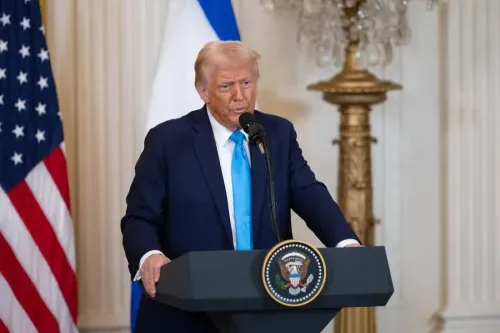
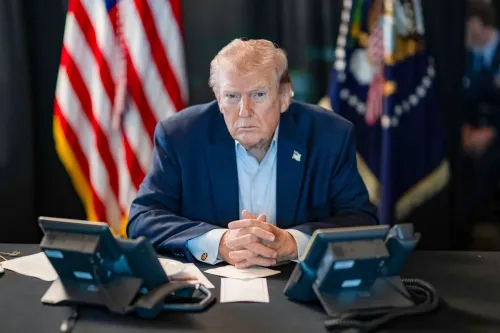
President Donald Trump warned in late March that 'Cuba is next' following US strikes on Venezuela and Iran .
Cuban President Miguel Diaz-Canel accused Washington of seeking to 'take over' Cuba and called the blockade a 'weapon of war' on 26 July .
Cuba suffered a nationwide blackout on 4 August , the latest in a series since October 2024 , with the National Electric Union citing US sanctions as a key factor.
The United States has reportedly deployed additional intelligence personnel to Cuba and stepped up its intelligence operations in the Caribbean nation over recent months, according to a report by Politico. Sources cited in the report describe the expanded presence as a key tactical move that could precede a potential US military intervention — a pattern consistent with how Washington has historically staged operations in other countries.
What the Report Says
According to sources cited by Politico, the US has sent additional intelligence personnel and resources to Cuba in recent months. One source described the development as reflecting a notable increase in the Central Intelligence Agency's (CIA) footprint on the island. The report noted that US military operations are frequently preceded by intensified intelligence activity, lending the move strategic significance beyond routine surveillance. The United States has conducted intelligence operations in Cuba for decades, the report acknowledged.
Trump's Cuba Warning and Regional Context
The intelligence build-up follows a public threat by US President Donald Trump in late March, when he warned that 'Cuba is next' — remarks made in the aftermath of US attacks on Venezuela and Iran. The statement was widely interpreted as signalling a broader regional posture. This comes amid heightened US pressure on leftist governments across Latin America and the Caribbean.
Havana's Response
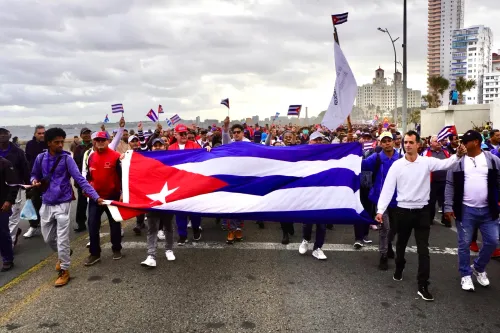
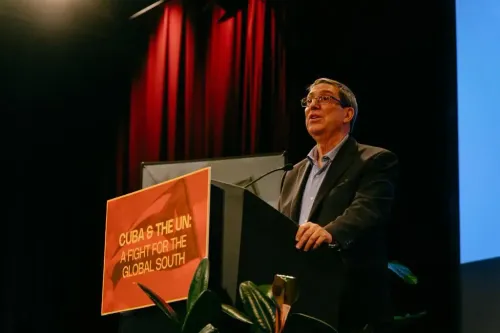
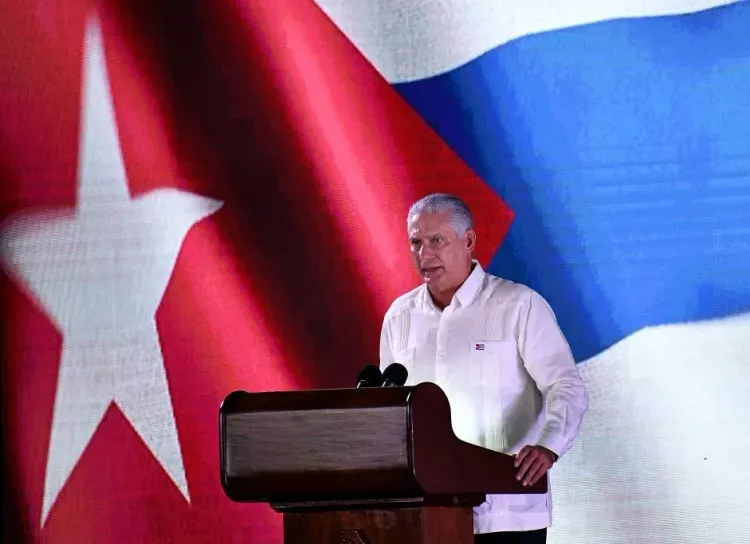
Cuban President Miguel Diaz-Canel directly addressed the escalating tensions on 26 July, speaking at a ceremony in the western province of Pinar del Rio marking the 73rd anniversary of the National Rebellion Day. He accused Washington of pursuing a policy aimed at 'suffocating the entire people in order to take over the country.'
Diaz-Canel charged the US government with implementing a strategy of 'maximum economic suffocation' — intensifying what he called a blockade through an energy embargo and financial siege. He described the blockade as 'a weapon of war' and said: 'To torture the Cuban people with the blockade in order to incite them to rebel against their government is a crime.' He noted that Washington's unilateral coercive measures have been condemned annually by the United Nations General Assembly.
Cuba's Worsening Power Crisis
Cuba was hit by another nationwide blackout on Monday, 4 August, at 5:05 pm local time (9:05 pm GMT), according to a statement from the National Electric Union. The union said that prevailing weather conditions disrupted grid restoration efforts, affecting generating units that were already online.
The blackout followed a total disconnection at 10:43 pm local time (2:43 am GMT) on Sunday and a partial collapse on Saturday that left western provinces without electricity. The National Electric Union attributed Cuba's inability to import fuel and repair its ageing power plants to the impact of US sanctions.
Since October 2024, Cuba has endured several nationwide blackouts caused by power facility failures, hurricanes, and other compounding factors — a crisis that Havana squarely blames on the US embargo. With intelligence activity reportedly rising and Havana's infrastructure under severe strain, the situation on the island is likely to remain a flashpoint in US-Cuba relations in the months ahead.
Point of View
The CIA's presence is reportedly growing, and Havana's power grid is collapsing under the weight of sanctions — conditions that, historically, have preceded regime-change operations. What mainstream coverage underplays is how the energy crisis functions as a force multiplier for US pressure: blackouts lasting over a day don't just paralyse industry, they erode public confidence in the government. Whether Washington's endgame is intervention or coerced political transition, Cuba's infrastructure crisis is doing significant work on its behalf.
NationPress
20 Sept 2026
Frequently Asked Questions
Why is the US reportedly expanding its intelligence presence in Cuba?
According to a Politico report, the US has sent additional CIA personnel and resources to Cuba in a move sources describe as a key tactical step that could precede a potential military intervention. The report notes that US military operations are typically preceded by intensified intelligence activity.
What did Trump say about Cuba?
In late March, US President Donald Trump warned that 'Cuba is next,' following US attacks on Venezuela and Iran. The remark was widely read as signalling Washington's intent to escalate pressure on Havana as part of a broader regional strategy.
How has Cuba responded to the US intelligence build-up?
Cuban President Miguel Diaz-Canel, speaking on 26 July at a ceremony in Pinar del Rio, accused the US of pursuing a policy aimed at 'suffocating the entire people in order to take over the country.' He described the US blockade as a 'weapon of war' and noted that the UN General Assembly has condemned Washington's unilateral measures annually.
What is causing Cuba's power blackouts?
Cuba has suffered repeated nationwide blackouts since October 2024, triggered by power facility failures, hurricanes, and fuel shortages. The National Electric Union has said Cuba's inability to import fuel and repair ageing power plants is a direct consequence of US sanctions.
Has the US conducted intelligence operations in Cuba before?
Yes. The Politico report acknowledged that the United States has conducted intelligence activities in Cuba for decades, as it does in other parts of the world. The current build-up is described as a significant increase in scale rather than an entirely new development.