Kentucky Bourbon in India: US Congress pushes market access in trade talks
Synopsis
A US congressional hearing turned into an unlikely bourbon pitch — with a Kentucky lawmaker invoking American independence to argue India should import more bourbon and less Scotch. Behind the rhetoric lies a serious trade push: Washington wants India's high spirits tariffs and non-tariff barriers dismantled as part of broader US-India trade negotiations.
Key Takeaways
US Congressman Andy Barr of Kentucky raised the push for Kentucky Bourbon exports to India at a joint congressional hearing on 15 July .
Barr said he discussed the issue with US Ambassador Sergio Gor and India's Commerce Minister Piyush Goyal .
David Fogel , Assistant Secretary of Commerce, confirmed the US Commercial Service actively works to reduce non-tariff barriers for American products, including bourbon, in overseas markets.
India's spirits sector is governed by central import duties and state-level regulation, making it one of the more complex markets for foreign liquor brands.
The hearing also covered trade barriers facing US exporters of rice, walnuts and almonds , with new trade agreements with India and Japan under discussion.
The Foreign Commercial Service operates in markets covering roughly 95 per cent of global GDP, with AI, energy and critical minerals listed as priority sectors.
US officials have signalled a concerted push to expand Kentucky Bourbon exports to India, with the issue surfacing during a joint congressional hearing on commercial diplomacy between the State and Commerce departments on 15 July. The discussion underscores Washington's broader effort to secure greater market access for American agricultural and manufactured goods in one of the world's fastest-growing consumer economies.
How Bourbon Entered the Trade Conversation
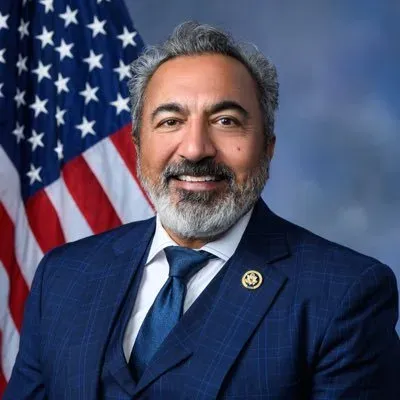
Republican Congressman Andy Barr of Kentucky raised the issue directly, asking whether the Commerce Department could actively promote American whiskey in the Indian market. Barr said he had recently discussed the matter with US Ambassador to India Sergio Gor and India's Commerce and Industry Minister Piyush Goyal.
Drawing a pointed cultural distinction, Barr argued that Scotch whiskey carries the legacy of British imperialism, while bourbon represents American independence. 'I did have to tell the Minister of Commerce in India that remember that Scotch whiskey is the drink of the occupier the Imperial whiskey and Kentucky bourbon is the drink of freedom so we want them to import more Kentucky bourbon whiskey and maybe less of that Scotch whiskey,' he said.
What the Commerce Department Said
David Fogel, Assistant Secretary of Commerce for Global Markets and Director General of the US and Foreign Commercial Service, confirmed that promoting such products falls squarely within the agency's mandate. 'Yeah, absolutely so two things here one is that's what we do every day,' Fogel said.
Fogel explained that the US Commercial Service works directly with American businesses — including bourbon producers — to help them enter or expand in overseas markets. He added that Foreign Commercial Service officers on the ground engage with relevant ministries to reduce non-tariff barriers. 'Our team on the ground, the Foreign Commercial Service, will then meet with the relevant ministries and advocate to bring those non-tariff barriers down,' he said.
Wider Agricultural Trade Barriers in Focus
India was also part of a broader hearing discussion on obstacles facing American agricultural exporters. A California lawmaker noted that US producers of rice, walnuts and almonds were contending with foreign subsidies and trade barriers, and said Washington was pursuing new trade agreements with India, Japan and other countries.
Caleb Orr, Assistant Secretary of State for Economic, Energy and Business Affairs, said President Donald Trump was focused on dismantling barriers confronting American farmers in key overseas markets. 'Our economic officers are focused on changing some of these policies that put up barriers to American agricultural exports,' Orr said.
Why India Is a Strategic Target
India ranks among the world's largest markets for alcoholic beverages, yet imported spirits face a layered regulatory environment — a combination of central import duties and state-level taxation and regulation. Market access for foreign liquor brands has long been a sticking point in India's trade negotiations with major partners, including the United States and the United Kingdom.
Bourbon, by US legal definition, must be produced in the United States from a grain mixture containing at least 51 per cent corn and aged in new charred oak containers — a standard most closely associated with Kentucky. The hearing also flagged broader coordination concerns, with lawmakers raising questions about staffing shortages and overlapping responsibilities between the State and Commerce departments. Fogel noted that the Foreign Commercial Service maintains a presence in markets accounting for roughly 95 per cent of global GDP, with artificial intelligence, energy, critical minerals and US manufacturing identified as priority sectors.
With US-India trade negotiations ongoing, the bourbon push is likely to recur as a test case for how much ground Washington can gain on agricultural and spirits market access.
Point of View
But the underlying trade ask is serious. India's layered spirits tariff structure — central duties stacked on top of state-level levies — has kept imported whiskey a premium niche product, and that is precisely what Washington wants changed. What is notable is that this is now a congressional-level conversation, not just a lobbying footnote, which suggests the US sees spirits market access as a credible bargaining chip in the broader trade negotiation with India. Whether New Delhi is willing to move on alcohol imports — a politically sensitive category given domestic distillery interests — will be a real test of how far the bilateral trade deal can go.
NationPress
15 Jul 2026
Frequently Asked Questions
Why is the US pushing Kentucky Bourbon exports to India?
US officials see India as one of the world's largest whiskey-consuming markets and want to reduce high import duties and non-tariff barriers that currently limit American spirits sales there. The push is part of broader US-India trade negotiations aimed at expanding market access for American agricultural and manufactured products.
What did Congressman Andy Barr say about bourbon and India?
Barr, a Republican from Kentucky, argued that bourbon represents American freedom while Scotch carries the legacy of British imperialism, and urged India's Commerce Minister Piyush Goyal to import more Kentucky bourbon. He raised the issue at a joint congressional hearing on 15 July and said he had already discussed it with US Ambassador to India Sergio Gor.
How does the US Commerce Department plan to promote bourbon in India?
Assistant Secretary David Fogel said the US Commercial Service works directly with American businesses, including bourbon producers, to enter or expand in overseas markets. Foreign Commercial Service officers engage with relevant ministries to bring down non-tariff barriers on the ground.
What are the trade barriers facing US spirits in India?
India's imported spirits sector faces a combination of central government import duties and state-level taxation and regulation, making it one of the more complex and costly markets for foreign liquor brands. These barriers have long featured in India's trade talks with the US and other major partners.
What else was discussed at the congressional hearing on US-India trade?
Beyond bourbon, the hearing covered barriers facing US exporters of rice, walnuts and almonds, coordination gaps between the State and Commerce departments, and ongoing trade negotiations with India, Japan and other countries. President Donald Trump's focus on removing agricultural trade barriers was also highlighted by Assistant Secretary of State Caleb Orr.