Did US Forces Excel in Seizing Maduro Without Congress?
Synopsis
In a controversial operation, US forces captured Venezuelan leader Nicolas Maduro without congressional consultation, prompting concerns over constitutional implications. Senator Mark Warner praised the military's execution while highlighting potential risks to international order and accountability. As the US navigates its role in Venezuela, critical questions arise about transparency and strategic motives behind the action.
Key Takeaways
US forces successfully captured Nicolas Maduro without congressional consultation.
Senator Warner raised serious constitutional concerns.
The operation could set a dangerous precedent for future military actions.
Warner criticized the administration for sidelining Venezuela's democratic opposition.
Accountability must align with transparency and constitutional norms.
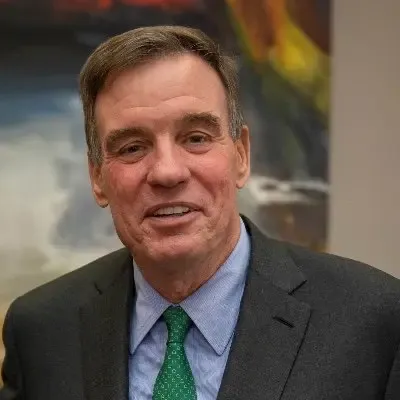
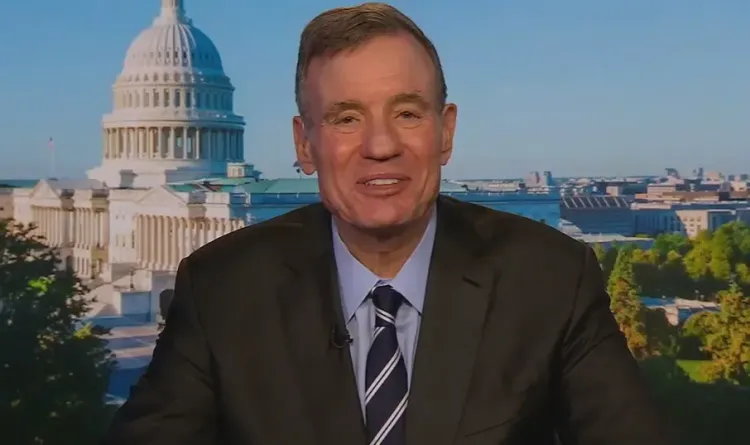
Washington, Jan 7 (NationPress) The US operation to apprehend Venezuelan leader Nicolas Maduro was executed without the necessary congressional oversight and might set a perilous precedent, according to a prominent Democratic senator. He commended the military for carrying out the mission successfully without incurring American casualties.
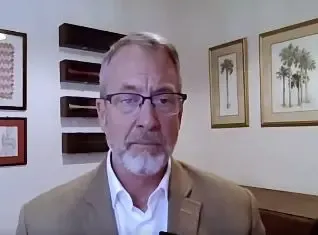
Senator Mark Warner, who chairs the Senate Select Committee on Intelligence, stated that US forces performed "brilliantly" in extracting Maduro from his residence and transferring him into US custody. Warner characterized Maduro as a repressive ruler, noting that the Venezuelan populace overwhelmingly rejected him in the 2024 elections.
However, Warner, also the co-chair of the Senate India Caucus, informed reporters that the manner in which the operation was authorized and communicated raised significant constitutional and strategic issues.
He emphasized that Congress was not consulted prior to the raid, with Secretary of State Marco Rubio only attempting to contact him after the operation had commenced. Warner indicated that this practice contradicts long-held norms, especially concerning military force.
“The Constitution grants Congress the power to declare war,” Warner asserted, adding that major military actions should be discussed with lawmakers beforehand, even in cases requiring secrecy.
Warner dismissed the administration’s assertion that the operation was merely executing an arrest warrant.
“You don’t deploy Delta Force to execute a warrant,” he remarked. “You don’t mobilize 150 aircraft. You don’t station a naval armada off the coast of a nation for months. It simply does not hold up.”
He cautioned that the rationale used to justify the Maduro operation could result in severe repercussions if adopted by other nations.
“If any country can assert its laws permit it to seize another nation's leader, what prevents Vladimir Putin from declaring that Ukraine’s president violated Russian law?” Warner questioned, also mentioning China’s longstanding claim over Taiwan.
“If we accept this principle, the international order is jeopardized,” he warned.
Warner expressed skepticism regarding the administration’s motives, suggesting the operation seemed more focused on controlling oil resources than counter-narcotics efforts.
He described suggestions of deploying US troops in Venezuela to secure oil facilities as concerning, drawing parallels to the US invasion of Iraq, where promises that oil revenues would offset costs ultimately failed.
“We’ve seen this scenario play out before,” he stated.
Warner noted that Venezuela’s oil infrastructure is severely damaged and will take years to rehabilitate, raising questions about the duration of US involvement.
He also criticized the administration for appearing to marginalize Venezuela’s democratic opposition, including opposition leader María Corina Machado, while engaging with interim authorities perceived to support Maduro.
Despite his criticisms, Warner insisted that Maduro should face trial in the US.
“He’s a bad actor,” Warner stated. “He has driven Venezuela into ruin. He must be held accountable.”
However, Warner emphasized that accountability must align with transparency and adherence to constitutional standards.
“Our military executed its duties,” he concluded. “Now, the administration must confront some challenging questions.”
Point of View
Our stance remains steadfast: while the operation to seize Maduro demonstrates military prowess, it underscores the vital need for congressional oversight in such significant actions. Accountability and adherence to constitutional norms are essential for maintaining trust in our government and military.
NationPress
30 Sept 2026
Frequently Asked Questions
Why was Congress not consulted before the operation?
Senator Mark Warner highlighted that the Secretary of State reached out only after the operation began, which contradicts long-standing practices regarding military actions.
What are the implications of this operation?
The operation raises constitutional concerns and could set a dangerous precedent for how nations justify the seizure of foreign leaders.
What did Senator Warner say about the motives behind the operation?
Warner suggested that the operation seemed more focused on controlling oil resources rather than solely addressing counter-narcotics issues.
What criticism did Warner have regarding the US approach to Venezuela's opposition?
Warner criticized the administration for sidelining Venezuela's democratic opposition while engaging with authorities loyal to Maduro.
What does Warner believe should happen to Maduro?
Warner stated that Maduro should face trial in the United States for his actions, emphasizing the need for accountability.