US hosts Israel-Lebanon peace talks in Washington to consolidate ceasefire
Synopsis
Washington is hosting Israeli and Lebanese officials for three days of structured peace talks — military and political — as the US deploys a CENTCOM monitoring mechanism to track real-time developments on the ground. Secretary Rubio's direct calls with both Netanyahu and Aoun signal this is more than a routine diplomatic session; it is a concerted American push to lock in the ceasefire before it unravels.
Key Takeaways
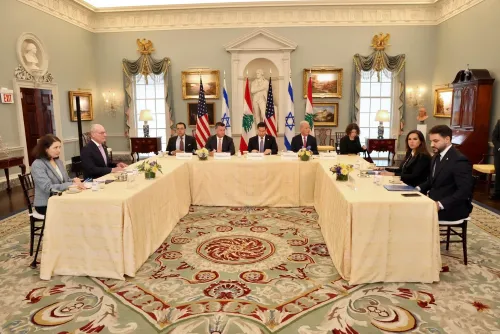
The US is hosting Israeli and Lebanese officials in Washington for three days beginning 23 June to consolidate the ceasefire.
Talks are led by State Department Counsellor Dan Holler and Assistant Secretary Dan Zimmerman , structured across joint military-political, military, and political rounds.
Secretary of State Marco Rubio spoke with Prime Minister Benjamin Netanyahu and President Joseph Aoun on Friday ahead of the meetings.
The US has activated a CENTCOM monitoring mechanism to provide policymakers with real-time information on developments in Lebanon .
The stated US goal is a comprehensive peace and security agreement between Israel and Lebanon, with further details expected soon.
The United States is hosting Israeli and Lebanese officials in Washington this week for a fresh round of negotiations aimed at consolidating the existing ceasefire and advancing what American officials have described as a broader push for lasting peace and security between the two neighbouring countries. The talks, which began on 23 June, are scheduled to run for three days.
Who Is Leading the Talks
The US delegation is being led by State Department Counsellor Dan Holler and Assistant Secretary of Defence for International Security Affairs Dan Zimmerman, according to the State Department. The format is structured in three phases: an opening joint military-political session, a dedicated military meeting, and a concluding political round.
'Counselor Holler is kicking off talks along with ASW Zimmerman, we will begin with a joint military and political session, then military session, then political closing round,' a State Department official said.
What the US Is Seeking
'Our shared goal is to end the cycle of violence for good,' the official said. Washington has framed the negotiations as an effort to enable Israel and Lebanon to engage as two sovereign states in pursuit of a durable security arrangement. 'We are enabling Israel and Lebanon to negotiate as two sovereign states and to find a way to have peace and security,' the official added.
The discussions are intended to build momentum toward a comprehensive settlement, with the State Department indicating that further details would be made available soon.
Rubio's Calls With Netanyahu and Aoun
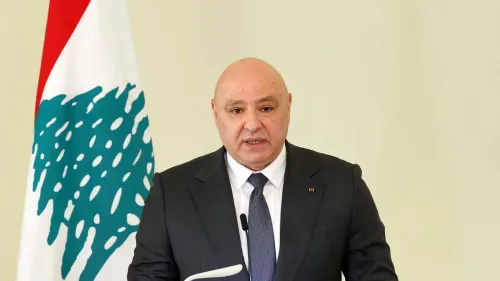
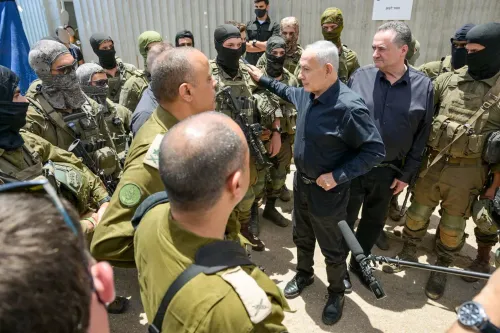
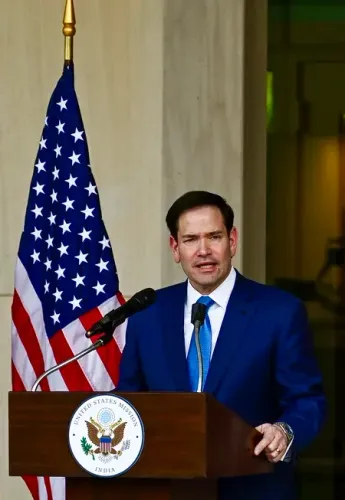
Secretary of State Marco Rubio spoke separately with both Israeli Prime Minister Benjamin Netanyahu and Lebanese President Joseph Aoun on Friday ahead of the Washington meetings, according to a US official. Those conversations directly prompted additional American steps on the ground.
'As a result of those calls, the US started a monitoring mechanism via CENTCOM so that our policymakers have real time and accurate information about fighting in Lebanon,' the official said. The CENTCOM monitoring mechanism signals a notable operational commitment by Washington beyond the diplomatic track.
Context and What Is at Stake
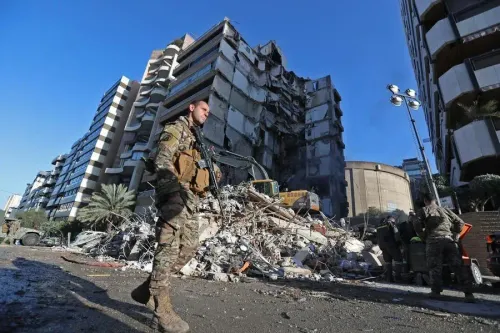
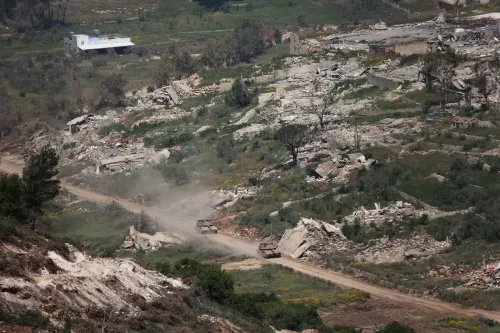
The Washington talks reflect a renewed US diplomatic effort to prevent a return to large-scale hostilities along the Israel-Lebanon border, where a fragile ceasefire has been in place following a period of intense conflict. This comes amid persistent concerns that ground-level incidents could unravel the truce before a formal agreement is reached.
Notably, the involvement of both military and political officials from all three sides underscores the complexity of the arrangement — any durable deal must reconcile security guarantees for Israel with Lebanon's sovereign interests and the realities of armed non-state actors operating within its territory.
What Happens Next
Israeli and Lebanese representatives are expected to remain in Washington, D.C. through the three-day session. A comprehensive peace and security agreement remains the stated end goal, though officials have stopped short of providing a specific timeline for a final accord.
Point of View
With separate military and political tracks, also suggests the two sides are not yet close enough for a single unified negotiation — the gaps remain wide enough to require compartmentalised sessions. Whether this round produces a framework or merely extends the ceasefire's shelf life will depend on whether Israel's security red lines and Lebanon's sovereignty demands can be bridged without a third-party enforcement mechanism that neither side has yet agreed to.
NationPress
23 Jun 2026
Frequently Asked Questions
What are the Israel-Lebanon peace talks in Washington about?
The talks, hosted by the US from 23 June, aim to consolidate the existing ceasefire between Israel and Lebanon and advance a comprehensive peace and security agreement. American officials have described them as an effort to end the cycle of violence for good.
Who is representing the US in the Israel-Lebanon negotiations?
The US side is led by State Department Counsellor Dan Holler and Assistant Secretary of Defence for International Security Affairs Dan Zimmerman. Secretary of State Marco Rubio has also been directly engaged, speaking with both Israeli and Lebanese leaders ahead of the talks.
What is the CENTCOM monitoring mechanism mentioned in the talks?
Following Secretary Rubio's calls with Prime Minister Netanyahu and President Aoun on Friday, the US established a monitoring mechanism through CENTCOM — the military's Central Command — to give American policymakers real-time, accurate information about developments on the ground in Lebanon.
How long will Israeli and Lebanese officials remain in Washington?
According to US officials, Israeli and Lebanese representatives are in Washington for three days this week to continue the negotiations across military and political sessions.
What is the format of the Washington talks?
The talks follow a three-part structure: an opening joint military-political session, a dedicated military meeting, and a concluding political round — a format designed to address both security arrangements and broader diplomatic questions simultaneously.