US issues Level 3 travel warning for West Bank amid rising violence
Synopsis
Washington has formally told Americans to reconsider travel to the West Bank, citing a documented rise in terrorist attacks, violence, and Israeli military operations over the past year — with some incidents resulting in US citizen casualties. The Level 3 designation also locks down movement for US government employees across most of the territory, a signal that Washington's security calculus has shifted significantly.
Key Takeaways
The US State Department raised the West Bank to a Level 3 travel advisory on 26 August , urging Americans to 'reconsider travel.' US government employees must obtain special authorisation to travel to the West Bank for official duties; personal travel across most of the territory is barred.
Limited travel exceptions apply to Routes 1, 90, and 443 ; personal visits to Jericho and Bethlehem are permitted between dawn and midnight .
The department confirmed that terrorist attacks and Israeli military operations in the West Bank have increased over the past year, with some incidents injuring or killing US citizens .
A Level 3 advisory is a recommendation, not a legal ban; the highest designation — Level 4 — means 'Do Not Travel.'
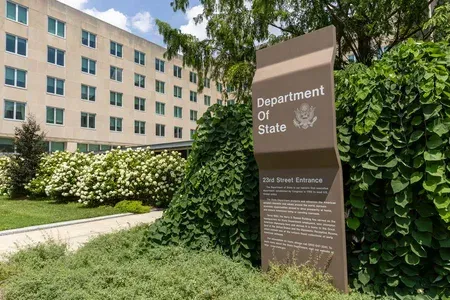
The United States State Department on Wednesday, 26 August elevated its travel advisory for the West Bank to Level 3, urging American citizens to 'reconsider travel' to the territory due to a documented rise in terrorist attacks, civil unrest, and Israeli military operations over the past year. The advisory also imposes significant movement restrictions on US government employees stationed in Israel and their families.
What the Advisory Says
Under the new designation, US government employees must obtain special authorisation before travelling to the West Bank for official duties. Personal travel across most of the territory is barred for employees and their family members, with limited exceptions applying to travel along Routes 1, 90, and 443.
Route 90 may be used specifically to reach the Allenby Bridge crossing, which connects the West Bank with Jordan. Personal travel to Jericho and Bethlehem — including the towns of Beit Jala and Beit Sahour — is permitted between dawn and midnight. Checkpoint 300, near Rachel's Tomb, is the only designated entry point into Bethlehem for US government personnel, a restriction the department attributed to the continued closure of checkpoints across the territory.
Security Conditions on the Ground
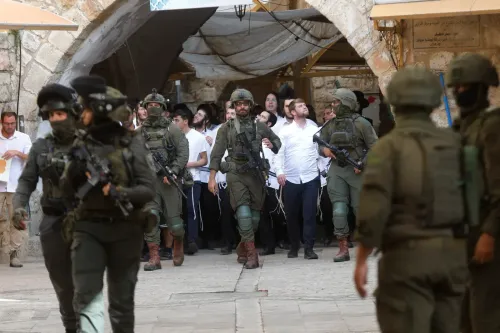
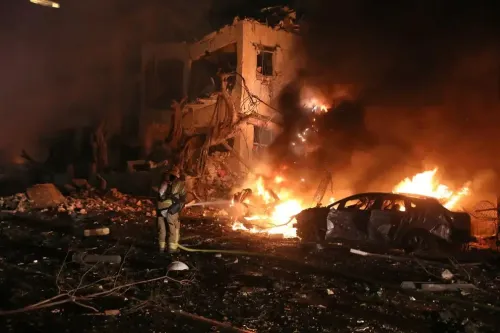
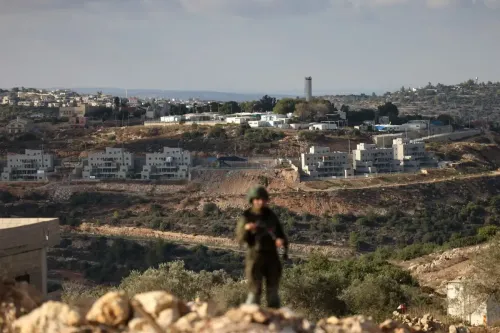
The State Department noted that terrorist attacks in the West Bank had increased over the previous year, with incidents of violence and Israeli military operations also on the rise. Critically, some of these incidents have resulted in the injury or death of US citizens. The advisory warned that additional movement restrictions could be imposed on US personnel 'with little or no notice' if security threats escalate further.
The Israeli government may also restrict access to and movement within the West Bank during periods of unrest, with the possibility of localised curfews being imposed in certain areas.
Guidance for American Travellers
Americans who nonetheless choose to travel to the West Bank were advised to maintain a high degree of situational awareness, particularly at checkpoints and locations with a significant security presence. The department urged travellers to avoid demonstrations and crowds, follow instructions from security and emergency officials, and report suspicious activity to local police.
Practical precautions recommended include identifying the nearest bomb shelter, preparing an emergency departure plan that does not rely on US government assistance, and downloading an application that provides real-time alerts for rocket, missile, and armed drone threats. Travellers visiting rural areas were specifically cautioned about the risk of unexploded ordnance.
The department also recommended purchasing travel insurance covering evacuation, medical care, and trip cancellation, and encouraged citizens to enrol in the Smart Traveller Enrolment Program (STEP), which enables US embassies and consulates to issue alerts and establish contact during emergencies.
Understanding the Level 3 Designation
A Level 3 advisory is a formal recommendation rather than a legal prohibition on private travel. The State Department operates a four-tier system: Level 1 advises normal precautions, Level 2 calls for increased caution, Level 3 urges travellers to reconsider, and Level 4 — the highest — is a 'Do Not Travel' designation. The US maintains an embassy in Jerusalem and a branch office in Tel Aviv to provide consular assistance to Americans in the region.
With conditions on the ground remaining volatile, the advisory signals that Washington's assessment of West Bank security has materially worsened — and that further escalation in restrictions cannot be ruled out.
Point of View
Implicitly acknowledging that the situation has worsened on its watch. The absence of any parallel diplomatic pressure — visible in the advisory's text — will not go unnoticed by observers tracking Washington's posture on the conflict.
NationPress
11 Oct 2026
Frequently Asked Questions
What is the US Level 3 travel advisory for the West Bank?
The US State Department has designated the West Bank at Level 3 under its four-tier travel advisory system, urging American citizens to 'reconsider travel' due to rising terrorism, violence, and Israeli military operations. It is a formal recommendation, not a legal prohibition on private travel.
What restrictions apply to US government employees in the West Bank?
US government employees must obtain special authorisation before travelling to the West Bank for official duties. Personal travel across most of the territory is barred for employees and their family members, with limited exceptions for travel on Routes 1, 90, and 443.
Why has the US issued this travel warning for the West Bank?
The State Department cited a documented increase in terrorist attacks, civil unrest, and Israeli military operations in the West Bank over the past year. Some incidents have resulted in the injury or death of US citizens, prompting the elevated advisory.
Can Americans still travel to Bethlehem and Jericho?
Yes, personal travel to Jericho and Bethlehem — including Beit Jala and Beit Sahour — is permitted between dawn and midnight. US government employees must use Checkpoint 300 near Rachel's Tomb as the sole entry point into Bethlehem.
What precautions does the State Department recommend for travellers?
The department advises maintaining high situational awareness at checkpoints, avoiding demonstrations and crowds, preparing an emergency departure plan, downloading a real-time rocket and missile alert app, and enrolling in the Smart Traveller Enrolment Program (STEP). Travel insurance covering evacuation and medical care is also recommended.