US lawmakers urge Pakistan to free Christian woman Neha Faqir, 18, from forced conversion
Synopsis
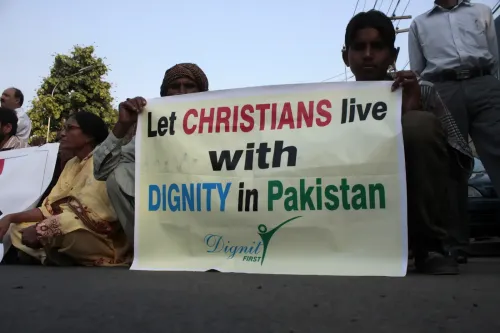
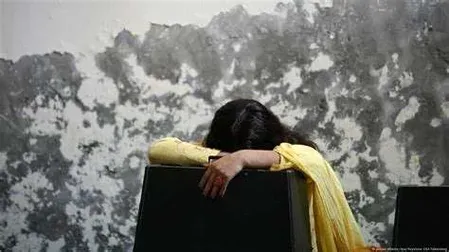
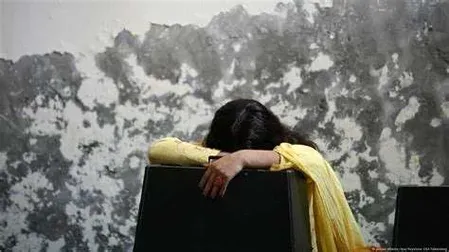
Eleven US lawmakers — Republicans and Democrats alike — have formally demanded Pakistan protect Neha Faqir, an 18-year-old Christian woman allegedly abducted and converted to Islam after attending a sewing class. With the Lahore High Court having denied her family private access and rejected their petition, the case has now drawn scrutiny from Westminster to Washington — making it a flashpoint for Pakistan's minority rights record on the world stage.
Key Takeaways
11 bipartisan US Congress members sent a letter on 20 August to Pakistan's Law Minister Azam Nazeer Tarar over the case of Neha Faqir , 18.
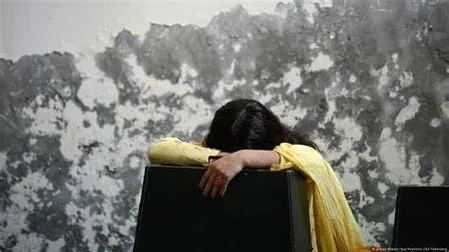
Faqir, a Christian woman, allegedly disappeared on 24 March after attending a sewing course and was later found at a madrassa in Lahore , reportedly converted to Islam.
The Lahore High Court denied her family's request for a private meeting and rejected their petition for her return on 9 June .
Representative Chris Smith , co-chair of the Tom Lantos Human Rights Commission , called the circumstances 'profoundly troubling.' The case was also raised at the Palace of Westminster on 16 June , chaired by Lord Alton , amid broader scrutiny of forced conversions of minority women in Pakistan.
A bipartisan group of 11 US Congress members has formally pressed the government of Pakistan to protect Neha Faqir, an 18-year-old Christian woman who was allegedly abducted, forcibly converted to Islam, and denied private access to her own family. The letter, dated 20 August, was addressed to Pakistan's Federal Minister for Law and Justice, Azam Nazeer Tarar, and demands a just and transparent resolution.
What the Lawmakers Are Demanding
Representative Chris Smith, Republican co-chair of the Tom Lantos Human Rights Commission, led the congressional effort. Smith described the circumstances as 'profoundly troubling,' raising questions about Faqir's safety, freedom of religion, and ability to act without coercion or intimidation.
The lawmakers called on Pakistani authorities to guarantee Faqir's physical safety, provide her confidential access to independent legal counsel, allow her to communicate freely and privately with her family, and ensure any further judicial proceedings are free from intimidation or undue influence.
The letter was co-signed by Democratic Representatives James P. McGovern and Brad Sherman, and Republican Representatives French Hill, Gus Bilirakis, Andy Harris, María Elvira Salazar, Riley Moore, Randy Weber, Michael Cloud, and Blake Moore.
The Case: Timeline and Key Facts
Christian Solidarity International (CSI) first brought Faqir's case to international attention on 10 June. According to CSI, Faqir disappeared on 24 March after attending a sewing course. She was subsequently located at a madrassa in Lahore, where she had reportedly been converted to Islam.
Faqir appeared before the Lahore High Court on 9 June. Her family's request to meet with her privately was denied by the court. The court later rejected the family's petition seeking her return, according to CSI.
Constitutional Arguments Invoked
The US lawmakers cited Article 20 of Pakistan's Constitution, which guarantees freedom to profess, practise, and propagate religion, and Article 25, which guarantees equality before the law. Smith argued that these constitutional protections 'mean little if a young woman cannot safely and freely express her own beliefs.'
'This case is particularly important for Pakistan's religious minorities, who have been subject to abduction, forced conversion and forced marriage,' Smith added.
International Scrutiny Widens
The case has drawn attention beyond Washington. On 16 June, it was raised at a hearing at the Palace of Westminster in London, sponsored and chaired by Lord Alton. The hearing examined the broader pattern of coerced conversion and forced marriage of women from religious minorities in Pakistan.
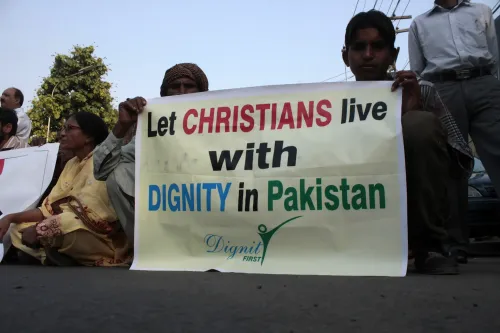
This comes amid longstanding international concern over Pakistan's treatment of religious minorities, including Christians, Hindus, and Ahmadis, with advocacy groups documenting dozens of similar cases each year. The bipartisan nature of the congressional letter underscores that concern over Pakistan's minority rights record transcends US party lines.
What Happens Next
Pakistan's government has not publicly responded to the congressional letter as of the time of reporting. Advocacy groups are expected to continue pressing for a court-ordered independent assessment of Faqir's situation. The case remains active before the Pakistani judiciary, and international pressure is likely to intensify if access to Faqir is not granted to her family and independent legal counsel.
Point of View
While simultaneously invoking constitutional protections the court itself appears to be undermining, is a contradiction that Islamabad will struggle to explain away. With Westminster now also on record, Faqir's case is becoming a litmus test for whether international pressure can move Pakistan's judiciary in minority rights matters — a test that, historically, it has rarely passed.
NationPress
11 Oct 2026
Frequently Asked Questions
Who is Neha Faqir and what happened to her?
Neha Faqir is an 18-year-old Pakistani Christian woman who allegedly disappeared on 24 March after attending a sewing course. She was later found at a madrassa in Lahore, where she had reportedly been converted to Islam, according to Christian Solidarity International.
What are US lawmakers demanding from Pakistan?
Eleven bipartisan US Congress members have asked Pakistan to ensure Faqir's physical safety, grant her confidential access to independent legal counsel, allow private communication with her family, and guarantee that any court proceedings are free from intimidation or undue influence.
What did the Lahore High Court decide?
The Lahore High Court, where Faqir appeared on 9 June, denied her family's request for a private meeting with her and subsequently rejected the family's petition seeking her return, according to Christian Solidarity International.
Why is this case significant for Pakistan's religious minorities?
Representative Chris Smith described the case as 'particularly important for Pakistan's religious minorities,' who advocacy groups say have been subject to abduction, forced conversion, and forced marriage. The case has drawn international scrutiny from both the US Congress and a hearing at the Palace of Westminster in London.
Has Pakistan responded to the congressional letter?
Pakistan's government had not publicly responded to the 20 August congressional letter as of the time of reporting. The case remains active before the Pakistani judiciary, and international advocacy groups are expected to continue pressing for independent access to Faqir.