Crypto ATM scams cost Americans $388 million in 2024, US lawmakers demand tougher rules
Synopsis
Americans lost $388 million to crypto ATM scams in a single year — and lawmakers say that figure is almost certainly an undercount. At a House Financial Services hearing, Congress pushed FinCEN to mandate ATM registration, customer ID checks, and transaction reporting, while also demanding answers on why a stablecoin issuer did not freeze $280 million allegedly stolen by North Korean hackers.
Key Takeaways
Americans reported $388 million in losses to cryptocurrency ATM scams last year, according to FBI data cited at a House Financial Services subcommittee hearing on 22 July .
FinCEN director Andrea Gacki confirmed the agency is focused on crypto ATMs but declined to endorse specific legislation.
Financial institutions have filed more than 850,000 suspicious activity reports on elder financial exploitation, covering more than $443 billion in suspicious activity.
North Korean hackers allegedly drained $280 million from a crypto exchange on 1 April and moved funds through Circle Internet Group's stablecoin network, which reportedly did not freeze the assets.
Lawmakers called for mandatory customer identification, transaction reporting, and a registry of ATM locations; some states have already imposed transaction limits.
US lawmakers on 22 July pressed federal regulators to tighten oversight of cryptocurrency ATMs after Americans lost a reported $388 million to scams involving the machines in a single year, with elderly citizens among the most frequent victims. The issue came to a head during a House Financial Services subcommittee hearing focused on financial crime enforcement.
Key Developments at the Hearing
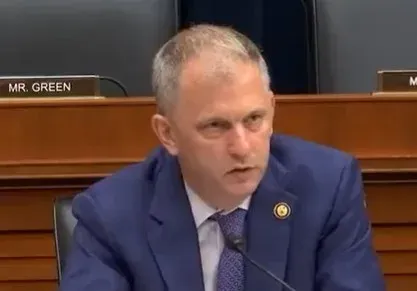
The session centred on Andrea Gacki, director of the Financial Crimes Enforcement Network (FinCEN), who faced pointed questions from both Democratic and Republican members. Democratic Representative Sean Casten of Illinois cited FBI data showing the $388 million figure in reported losses, adding that the true toll was likely higher given widespread underreporting. Casten called for mandatory customer identification, transaction reporting requirements, and a formal registry of ATM locations.
Representative Bill Foster, also an Illinois Democrat, painted a stark picture of how the machines are being weaponised against elderly Americans. 'They come in, they’re crying, they pour their life savings, or they ask for their life savings out in cash, and then they go next door and dump it into a Bitcoin ATM,' Foster said. 'And then they come back two hours later and say, how do we get our money back?'
What FinCEN Said
'The crypto ATMs is something FinCEN has been very focused on,' Gacki told the subcommittee, noting that ATM operators are classified as money services businesses and are already required to register with the agency. She declined to endorse specific legislation but confirmed that FinCEN would provide technical assistance to Congress as it considers new rules.
This comes amid a prior FinCEN advisory — issued last year — that flagged cryptocurrency ATMs as attractive to scammers and documented high levels of non-compliance with anti-money laundering (AML) requirements. Notably, financial institutions have filed more than 850,000 suspicious activity reports involving potential elder financial exploitation, representing more than $443 billion in reported suspicious activity, according to Gacki.
The Stablecoin Accountability Question
The hearing also turned to whether stablecoin issuers should be required to intervene when stolen digital assets move through their networks. Foster cited a report from American Banker alleging that North Korean hackers drained approximately $280 million from a cryptocurrency exchange on 1 April and routed the funds through Circle Internet Group's stablecoin network. He noted that Circle had the technical capability to freeze tokens at any wallet address but reportedly did not do so.
Gacki said Treasury officials work closely with stablecoin issuers — including Circle and Tether — to freeze and seize assets, but stopped short of drawing conclusions on the specific incident. 'I’d like to understand this a little bit more before I can provide an answer,' she said.
What Could Change Next
Foster asked FinCEN to examine whether states that have banned cryptocurrency ATMs report fewer scam incidents than those that permit them — a comparison that could inform federal legislation. Several states have already imposed transaction limits and other consumer-protection restrictions on the machines.
With bipartisan concern mounting and a formal legislative push underway, the pressure on FinCEN and Congress to act on crypto ATM oversight is unlikely to ease in the months ahead.
Point of View
Not a ceiling — elder fraud is chronically underreported, and the actual losses through crypto ATMs are almost certainly larger. What the hearing exposed is a structural gap: FinCEN knows the machines are non-compliant, issued a warning last year, and yet the losses have continued to mount. The stablecoin thread is equally telling — if Circle had the technical ability to freeze $280 million in allegedly stolen funds and did not, the question of voluntary versus mandatory intervention becomes urgent policy terrain. Congress is circling the right problems; the test is whether it can move fast enough given the pace at which crypto infrastructure is evolving.
NationPress
22 Jul 2026
Frequently Asked Questions
How much money did Americans lose to crypto ATM scams last year?
Americans reported losses of $388 million to cryptocurrency ATM scams in the most recent year for which FBI data is available, according to figures cited at a House Financial Services subcommittee hearing on 22 July. Lawmakers noted the actual total is likely higher due to underreporting.
What is FinCEN's current role in regulating crypto ATMs?
The Financial Crimes Enforcement Network (FinCEN) classifies crypto ATM operators as money services businesses, requiring them to register with the agency and comply with anti-money laundering rules. FinCEN issued a warning last year highlighting high non-compliance rates among operators and their appeal to scammers.
What new rules are US lawmakers proposing for cryptocurrency ATMs?
Lawmakers including Representative Sean Casten are calling for mandatory customer identification, transaction reporting requirements, and a formal registry of ATM locations. Congress has also asked FinCEN to study whether states that ban crypto ATMs see fewer scam incidents than permissive states.
Who are the primary victims of crypto ATM scams?
Elderly Americans are disproportionately targeted, according to testimony at the hearing. Representative Bill Foster described victims withdrawing life savings in cash and depositing them into Bitcoin ATMs after being manipulated by romance scammers or fraudsters.
What is the controversy around Circle Internet Group and North Korean hackers?
Representative Foster cited a report alleging that North Korean hackers stole approximately $280 million from a cryptocurrency exchange on 1 April and moved the funds through Circle Internet Group's stablecoin network. Foster noted Circle had the technical ability to freeze the tokens but reportedly did not intervene; FinCEN director Gacki said she needed more information before commenting on the specific incident.