US agrees to waive Iran oil sanctions during talks, Iranian media claims
Synopsis
Iranian state-linked media claims the US has offered a temporary waiver on oil sanctions during nuclear negotiations — but Tehran wants full removal, not a pause. With a 14-point text now in Washington's hands via Pakistani mediators, and Iran's foreign ministry ruling out any compromise on uranium enrichment, the gap between the two sides remains wide even as diplomacy inches forward.
Key Takeaways
Iranian media claimed on 18 May that the US has agreed to waive Iran's oil sanctions during ongoing nuclear negotiations.
The proposed waiver reportedly covers OFAC sanctions and would be temporary — lasting only until a final deal is reached.
Iran insists on the complete removal of all sanctions, not a temporary waiver.
Tehran submitted a revised 14-point text to Washington through a Pakistani mediator , focusing on confidence-building measures.
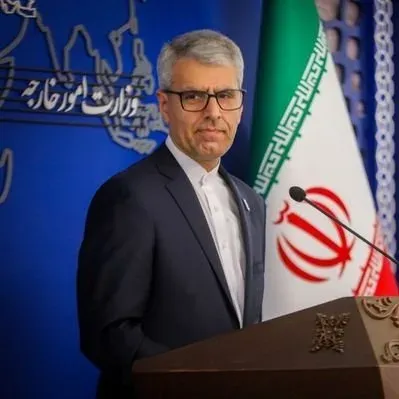
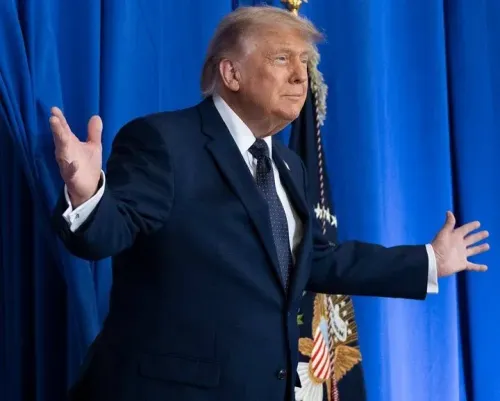
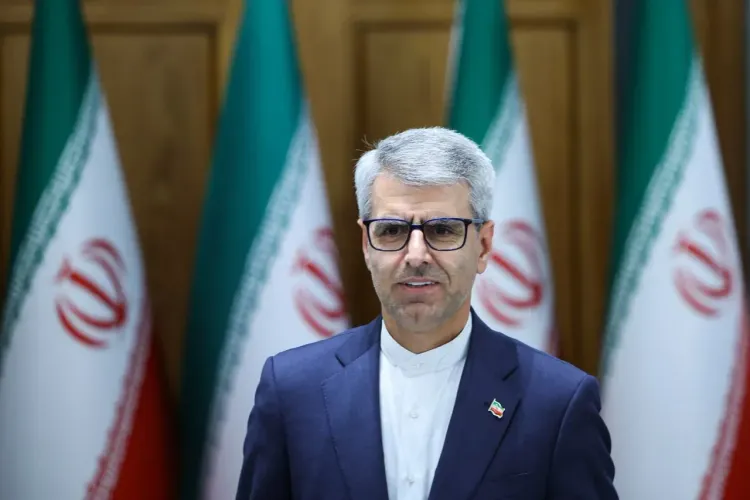
Foreign Ministry spokesperson Esmaeil Baqaei rejected President Trump's proposal for a 20-year enrichment suspension , calling Iran's enrichment rights non-negotiable under the NPT .
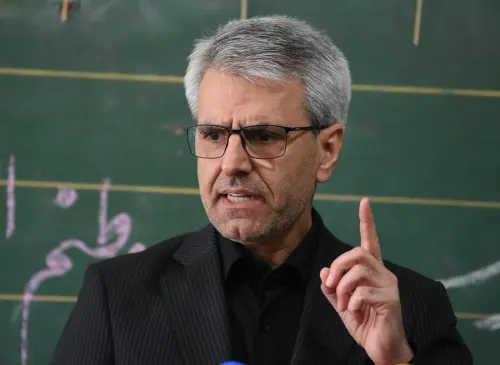
Baqaei warned that Iran is prepared for 'any scenario' and that its armed forces will have 'surprises' in store.
The United States has reportedly agreed to waive Iran's oil sanctions during the ongoing nuclear negotiations, according to claims made by Iranian media on Monday, 18 May, citing unnamed sources. The development, if confirmed, would mark a significant — if temporary — concession from Washington as both sides continue exchanging draft texts through intermediaries.
What the Reported Waiver Involves
According to Iran's semi-official Tasnim news agency, the proposed waiver pertains specifically to OFAC (Office of Foreign Assets Control) sanctions and would remain in place only until a final agreement is reached. Tehran, however, is reportedly pushing for something more permanent — insisting on the complete removal of all sanctions against the country as a non-negotiable condition of any deal. The distinction between a temporary waiver and a full sanctions rollback remains a central sticking point in the talks.
The 14-Point Text Exchange
Iran has submitted a revised 14-point text to the US through Pakistani mediators, after amending an earlier version. The US had previously sent a response to Iran's first 14-point document. According to Tasnim, Iran's latest submission focuses on 'negotiations to end the war and confidence-building measures by the American side.' The use of a Pakistani intermediary underscores the indirect and carefully choreographed nature of the current diplomatic process.
Tehran Pushes Back on Enrichment Demands
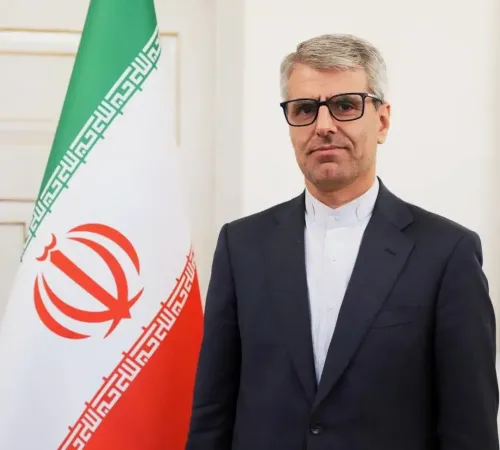
Separately, Iranian Foreign Ministry spokesperson Esmaeil Baqaei on Monday firmly rejected remarks by US President Donald Trump regarding a proposed 20-year suspension of Iran's uranium enrichment activities. Baqaei stated that Tehran's right to enrichment is 'non-negotiable' under the Non-Proliferation Treaty (NPT) and does not require validation from any external party. He added that negotiations with the US are continuing and that Iran will 'firmly uphold its principled positions at every stage of the process.'
Iran Signals Military Readiness
Baqaei also issued a pointed warning, stating that Iran is 'fully prepared for any scenario' and will defend itself with full strength against any 'reckless action.' He claimed the Iranian Armed Forces would have 'surprises' in store. The spokesperson acknowledged that Washington uses economic pressure as a tool but argued that 'threats and pressure cannot deter Iran' from pursuing what it describes as the rights of its people. This comes amid a broader pattern of escalatory rhetoric interspersed with diplomatic engagement that has characterised Iran-US relations for years.
What Happens Next
The back-and-forth exchange of position papers suggests the talks remain in a preliminary phase, with neither side publicly confirming the terms the other has proposed. The reported OFAC waiver claim originates entirely from Iranian state-linked media and has not been independently verified or confirmed by US officials. Analysts will be watching for any Washington response to the latest 14-point submission, as well as whether the reported sanctions waiver translates into a formal, verifiable commitment.
Point of View
Whether or not those concessions are formalised. The structural gap is unchanged: the US is reportedly offering a temporary OFAC pause, while Iran demands a complete and permanent rollback. On enrichment, Baqaei's language was unambiguous — and Trump's 20-year suspension proposal, if genuine, is so far from Iran's red line that it suggests the two sides are still negotiating the negotiation's terms, not the deal itself. The Pakistani intermediary channel is also notable: it signals that direct US-Iran engagement remains politically untenable for both governments, complicating any rapid breakthrough.
NationPress
23 Sept 2026
Frequently Asked Questions
What did Iranian media claim about US sanctions on Iran?
Iran's semi-official Tasnim news agency reported on 18 May that the US has agreed to temporarily waive oil-related OFAC sanctions against Iran during ongoing nuclear negotiations. The claim has not been independently confirmed by US officials.
What is Iran's position on the reported sanctions waiver?
Iran insists on the complete removal of all sanctions as part of any final deal, not merely a temporary waiver. Tehran views a pause in sanctions as insufficient and has made full rollback a core condition of its negotiating position.
What is the 14-point text Iran submitted to the US?
Iran submitted a revised 14-point document to the US through a Pakistani mediator, focusing on negotiations to end hostilities and confidence-building measures from the American side. The US had earlier responded to a previous version of Iran's 14-point text.
Why did Iran reject Trump's uranium enrichment proposal?
Iranian Foreign Ministry spokesperson Esmaeil Baqaei rejected US President Donald Trump's reported proposal for a 20-year suspension of Iran's enrichment activities, stating that Tehran's right to uranium enrichment is non-negotiable under the Non-Proliferation Treaty (NPT) and does not require external validation.
What is the current state of US-Iran nuclear negotiations?
Talks are ongoing but remain in a preliminary phase, with both sides exchanging position papers through Pakistani intermediaries rather than engaging directly. Key gaps persist on sanctions removal and uranium enrichment rights, and no final framework has been publicly confirmed by either government.