Have US Sanctions Targeted Iran's Officials and Shadow Banks Over Protests?
Synopsis
In a significant move, the U.S. has imposed new sanctions targeting Iranian officials and financial networks linked to a brutal crackdown on protests. This article delves into the implications of these sanctions and the broader context of the ongoing struggles for basic rights in Iran.
Key Takeaways
U.S. sanctions: Target Iranian officials and financial networks.
Human rights violations: Reports of violence against protesters include live ammunition and hospital assaults.
Support for protesters: The U.S. stands in solidarity with the Iranian people's struggle for rights.
Shadow banking system: Sanctions disrupt networks laundering proceeds from Iranian oil.
Global implications: The sanctions may affect regional stability and international relations.
Washington, Jan 16 (NationPress) The United States has enacted a series of new sanctions against Iranian security officials, shadow financial networks, and a specific prison, pointing to what it labeled as a brutal crackdown on peaceful demonstrations throughout Iran.
The sanctions extend to Fardis Prison, which U.S. officials highlighted as a facility where women have endured "cruel, inhuman, and degrading treatment".
The U.S. Treasury Department also designated several Iranian security officials, notably Ali Larijani, the Secretary of Iran's Supreme Council for National Security.
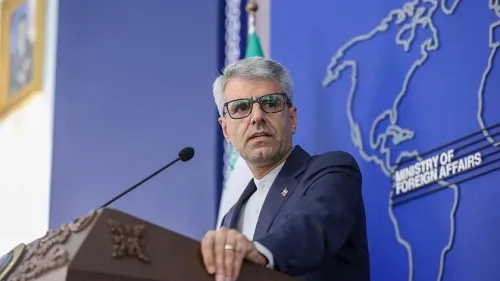
"As the courageous citizens of Iran strive for their fundamental rights, the Iranian regime has retaliated with violence and harsh repression against its own populace," stated Principal Deputy State Department Spokesperson Tommy Pigott in a press release.
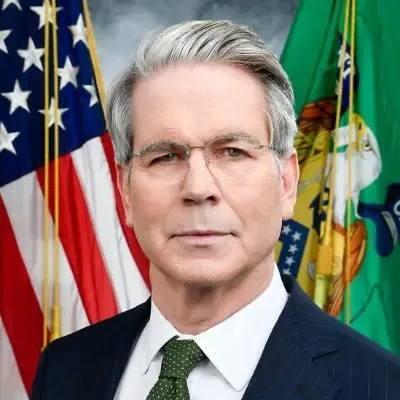
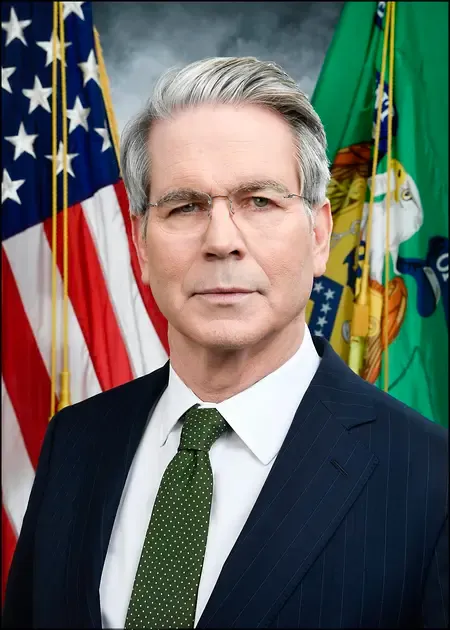
U.S. Treasury Secretary Scott Bessent indicated that these measures are aimed at those accountable for quelling protests that commenced in December 2025.
"The United States firmly supports the Iranian populace in their pursuit of freedom and justice," Bessent added.
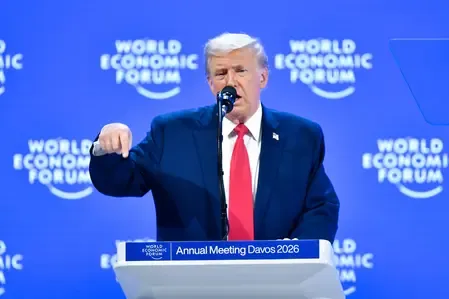
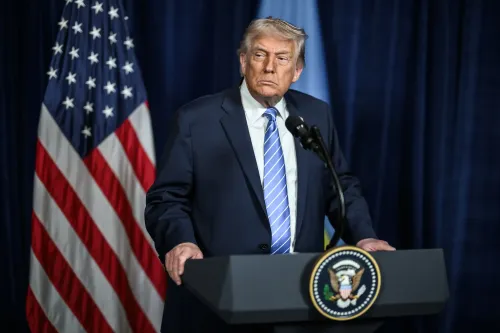
"Following directives from President Trump, the Treasury Department is sanctioning significant Iranian leaders who are implicated in the brutal repression against the Iranian populace."
According to the U.S. Treasury, Larijani was among the initial Iranian leaders advocating for violence against what U.S. officials characterized as legitimate demands from the protesters.
U.S. officials reported that Iran's security forces have utilized live ammunition against demonstrators, leading to numerous casualties across various provinces.
They also referenced an occurrence in Ilam Province, where elements of the Islamic Revolutionary Guard Corps (IRGC) assaulted injured protesters within a hospital.
Reports indicated that military forces deployed tear gas and metal pellets while attacking patients, families, and healthcare personnel, according to the statement.
Several provincial commanders faced sanctions for overseeing violent crackdowns.
Mohammad Reza Hashemifar, Commander of Iran's Law Enforcement Forces in Lorestan Province, and IRGC Commander Nematollah Bagheri were held responsible for shootings and threatening civilians.
In Fars Province, Law Enforcement Forces Commander Azizollah Maleki and IRGC Commander Yadollah Buali were sanctioned for their roles in the killings of protesters in Shiraz.
U.S. officials noted that hospitals in the area were inundated with gunshot victims, compelling the rejection of other patients.
Families of the deceased were coerced into providing false testimonies on state television, the Treasury reported, or face the possibility of not receiving the remains of their loved ones.
Concurrently, the U.S. targeted what it termed Iran's "shadow banking" system.
The U.S. Treasury imposed sanctions on 18 individuals and entities accused of laundering proceeds from Iranian oil and petrochemical sales.
The Office of Foreign Assets Control (OFAC) stated that these networks are associated with sanctioned financial institutions Bank Melli and Shahr Bank, relying on front companies across multiple nations.
The sanctioned entities included Iran-based Nikan Pezhvak Aria Kish Company, UAE-based Empire International Trading FZE, and Singapore-based Golden Mist PTE. Ltd.
Several high-ranking officials linked to these companies were also designated.
Additional sanctions affected Shahr Bank-related companies, such as HMS Trading FZE and Tejarat Hermes Energy Qeshm, along with various trading and shipping firms accused of facilitating oil and petrochemical exports.
U.S. officials claimed that the funds generated through these networks were used to finance repression within Iran and support militant organizations abroad, rather than assisting ordinary Iranians grappling with economic challenges.
All property and interests of the designated individuals under U.S. jurisdiction are frozen, and U.S. persons are generally prohibited from engaging in transactions with them.
Point of View
It is essential to highlight the complexities surrounding the U.S. sanctions against Iran. While the measures aim to support the Iranian people's quest for basic rights and justice, we must also consider the broader implications for regional stability and international relations. The situation is intricate, and a balanced perspective is crucial for understanding the ongoing struggles faced by the Iranian populace.
NationPress
30 Sept 2026
Frequently Asked Questions
What are the new U.S. sanctions on Iran about?
The U.S. sanctions target Iranian security officials, financial networks, and a prison, in response to a violent crackdown on peaceful protests.
Who are the key figures sanctioned by the U.S.?
Key figures include Ali Larijani, Secretary of Iran's Supreme Council for National Security, and various provincial commanders involved in the repression of protests.
What is the impact of these sanctions on Iran?
These sanctions aim to hold accountable those responsible for violence against protesters and disrupt Iran's shadow banking system connected to oil and petrochemical sales.
What has been the U.S. government's stance on the protests in Iran?
The U.S. government has expressed strong support for the Iranian people's fight for freedom and justice amid the regime's violent responses.
How are these sanctions enforced?
All property and interests of the designated persons under U.S. jurisdiction are blocked, and U.S. persons are prohibited from conducting transactions with them.