Japan PM: US sanctions on ICC's Tomoko Akane 'incompatible' with Tokyo's stand
Synopsis
Japan has broken openly with Washington over the ICC, with Prime Minister Takaichi calling US sanctions on court President Tomoko Akane — a Japanese national — 'incompatible' with Tokyo's position. As the ICC's largest contributor, Japan's rebuke carries institutional weight, even as the Trump administration signals it is prepared to 'systematically dismantle' the court.
Key Takeaways
Japanese Prime Minister Sanae Takaichi on 25 August said US sanctions on ICC President Tomoko Akane are “incompatible” with Japan’s position.
Takaichi revealed Japan lobbied Washington “until the last minute” to prevent the sanctions, calling the move “very unfortunate.” Tomoko Akane is the first Japanese national to head the ICC; Abdoulaye Seye , a senior trial lawyer, was also sanctioned.
US Secretary of State Marco Rubio said both officials were designated under an executive order for engaging in ICC action against nationals of non-member states.
Japan is the largest financial contributor to the ICC and has pledged to continue defending the institution.
Rubio warned the US is prepared to “systematically dismantle the ICC” if it continues to assert authority over American nationals.
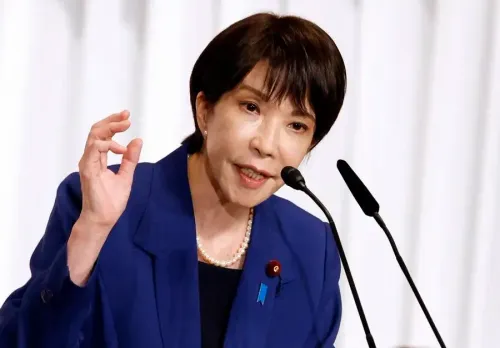
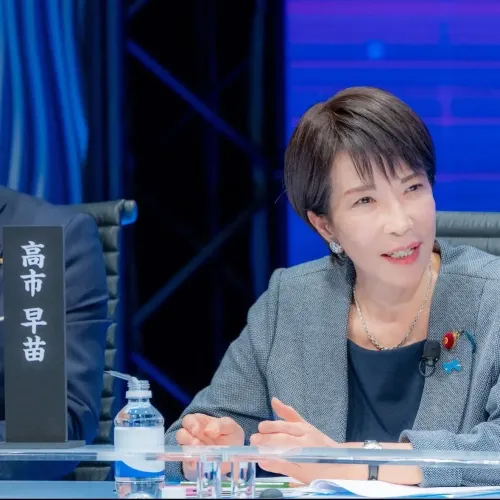
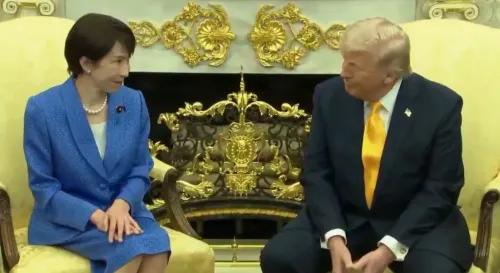
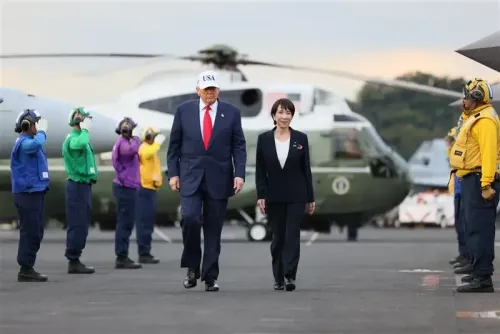
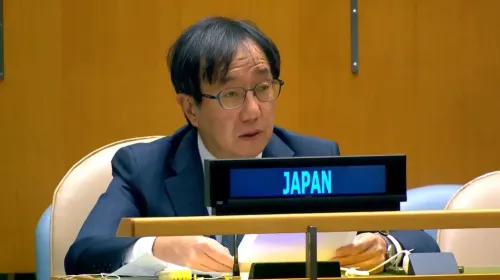
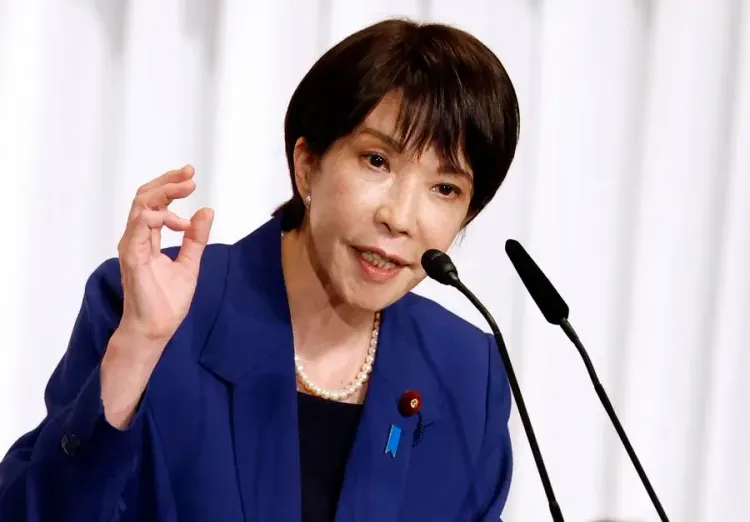
Japanese Prime Minister Sanae Takaichi on Tuesday, 25 August declared that the United States sanctions imposed on International Criminal Court (ICC) President Tomoko Akane are “incompatible” with Japan’s position, signalling a rare public rift between two of Washington’s closest allies over the future of international justice.
Tokyo’s Position on the Sanctions
Speaking to reporters, Takaichi said Japan takes the US sanctions “very seriously” and has consistently backed the ICC. As early as 19 August, she had described the US action as “very unfortunate,” revealing that Tokyo had made efforts “until the last minute to persuade the US” to hold back. Japan, she noted, holds the distinction of being the largest financial contributor to the ICC and therefore carries a special responsibility to defend the institution. Takaichi said Japan would continue monitoring the situation and take necessary steps “at the appropriate time.”
Who Was Sanctioned and Why
The Trump administration last week designated Akane — the first Japanese national to lead the ICC — and senior trial lawyer Abdoulaye Seye under an executive order authorising sanctions against the court. US Secretary of State Marco Rubio accused both officials of “directly engaging in efforts by the ICC to investigate, arrest, detain, or prosecute officials whose government has not consented to ICC jurisdiction.” The designations widened Washington’s ongoing campaign against the Hague-based tribunal.
Washington’s Escalating Stance
Rubio framed the sanctions as part of a broader, government-wide effort to curtail the ICC’s reach. “The Trump Administration has been clear: the International Criminal Court is a corrupt and fatally politicized supranational court that has maliciously abused its authority and exceeded its mandate,” he said. “We will not tolerate its assault on state sovereignty.” He added that the administration “stands ready to take additional measures, if necessary, to systematically dismantle the ICC until it is incapable of threatening American sovereignty.” The US has also urged other nations to withdraw financial and political support from the court.
Background: The ICC and Its Jurisdiction Dispute
The ICC, headquartered in The Hague, was established under the Rome Statute, which entered into force in 2002. It prosecutes individuals accused of genocide, crimes against humanity, war crimes, and the crime of aggression when national courts are unable or unwilling to act. The United States has never ratified the Rome Statute, a longstanding source of tension with the court. Rubio argued that the ICC’s attempts to assert authority over nationals of non-member states “sets a dangerous precedent for all nations.”
What Comes Next
Tokyo’s public pushback puts Japan in an uncomfortable position — diplomatically aligned with Washington on most security issues, yet at odds over multilateral institutions. Takaichi has signalled further diplomatic engagement, though the form and timeline remain unspecified. With Rubio explicitly warning of additional measures, the confrontation between Washington and the ICC appears far from over, and allies like Japan face mounting pressure to choose sides.
Point of View
And Takaichi’s language (‘incompatible’, ‘very unfortunate’, ‘last minute’) suggests the diplomatic effort was real and failed. The deeper question is whether Japan’s protest will remain rhetorical or translate into coordinated multilateral pushback. With Rubio signalling further escalation, the Trump administration appears willing to absorb the friction with allies — a calculation that could strain the broader rules-based order framework that US-Japan security cooperation nominally upholds.
NationPress
25 Aug 2026
Frequently Asked Questions
Why did Japan call US sanctions on the ICC 'incompatible' with its position?
Japanese Prime Minister Sanae Takaichi said the US sanctions on ICC President Tomoko Akane directly contradict Japan’s consistent support for the court. Japan is the ICC’s largest financial contributor and views defending the institution as a core responsibility.
Who is Tomoko Akane and why was she sanctioned?
Tomoko Akane is the President of the International Criminal Court and the first Japanese national to hold the position. The Trump administration sanctioned her, along with senior trial lawyer Abdoulaye Seye, accusing them of engaging in ICC actions against officials from countries that have not consented to the court’s jurisdiction.
What has the US said about its campaign against the ICC?
Secretary of State Marco Rubio described the ICC as ‘corrupt and fatally politicized’ and said the US would not tolerate what it calls an assault on state sovereignty. He warned the administration stands ready to ‘systematically dismantle the ICC’ if it continues to assert authority over American nationals.
What is the ICC and why does the US oppose it?
The International Criminal Court, based in The Hague, was established under the Rome Statute in 2002 to prosecute genocide, war crimes, and crimes against humanity. The United States has never ratified the Rome Statute and objects to the court’s attempts to exercise jurisdiction over nationals of non-member states.
What steps has Japan said it will take next?
Prime Minister Takaichi said Japan will continue tracking the situation and make necessary efforts ‘at the appropriate time,’ without specifying concrete measures. Tokyo has signalled further diplomatic engagement but has not announced any formal retaliatory steps.