US Senator Tillis doubts Iran will honour ceasefire MoU amid fresh attacks
Synopsis
A sitting US Republican senator says he does not trust Iran to honour the current ceasefire MoU — and the facts on the ground are backing him up. With Iranian forces attacking commercial ships in the Strait of Hormuz and launching drones toward US bases in Bahrain and Kuwait, the 60-day agreement is already under severe strain, and President Trump has put a military ultimatum on the table.
Key Takeaways
US Republican Senator Thom Tillis said on 28 June he does not trust Iran to honour the ceasefire MoU , speaking on CNN's State of the Union .
Iran attacked at least two commercial ships in the Strait of Hormuz despite the active ceasefire arrangement.
Iran reportedly launched drones and missiles toward Bahrain and Kuwait , both hosting US military bases; no American casualties were reported.
President Donald Trump warned Iran it could 'no longer exist' if violations continued, and threatened to 'militarily complete the job.' Tillis compared the current MoU unfavourably to the JCPOA , saying he saw no realistic path to a durable deal within 60 days .
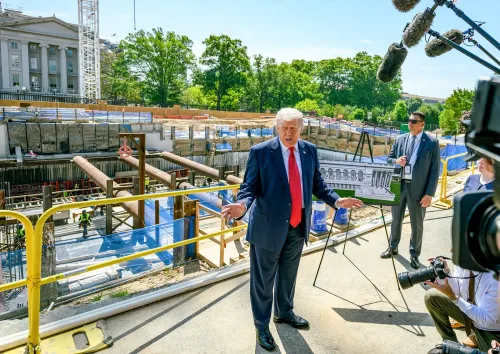
US Republican Senator Thom Tillis on Sunday, 28 June expressed sharp scepticism that Iran would honour its ceasefire agreement with the United States, saying he did not trust Tehran's leadership as renewed military exchanges threatened to unravel ongoing negotiations. The remarks came amid fresh Iranian attacks on commercial vessels and drone strikes targeting US military bases in the region.
Tillis's Doubts on the Ceasefire
Speaking on CNN's State of the Union, Tillis said recent Iranian military actions had reinforced his longstanding distrust of Tehran's willingness to abide by international commitments.
'I just simply don't trust the Iranian leadership, the mullahs, to live up to their commitments,' Tillis said. 'We're already seeing it.'
He questioned the durability of the current 60-day Memorandum of Understanding (MoU), drawing a pointed comparison to Iran's record under the Joint Comprehensive Plan of Action (JCPOA). 'I don't believe that they were any more faithful to this agreement than the JCPOA, unless it is buttoned down tight. And I just don't see that happening in 60 days,' he said.
Trump's Warning and Escalating Tensions
Tillis's remarks followed an overnight warning by President Donald Trump, who cautioned that Iran could 'no longer exist' if it continued violating the ceasefire, and that the United States could be forced to 'militarily complete the job.' Trump's warning came after fresh exchanges of fire between US and Iranian forces.
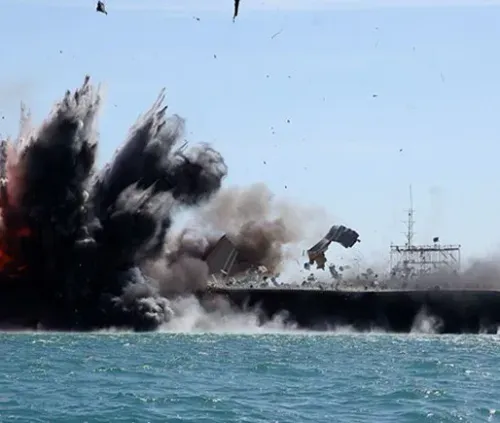
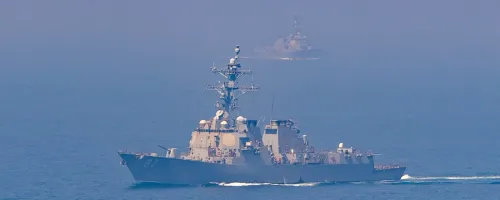
Iran had attacked at least two commercial ships in the Strait of Hormuz despite the ceasefire arrangement and was reportedly signalling that vessels would require its permission to transit the critical waterway. The Strait of Hormuz is one of the world's busiest energy shipping corridors, and any sustained disruption carries significant implications for global oil and gas supplies.
Drone and Missile Strikes on US Bases
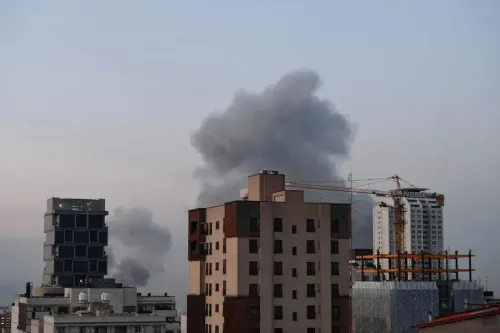
According to reports citing a US official, Iran overnight launched drones and missiles towards Bahrain and Kuwait, both of which host US military installations. No American casualties or damage were reported, according to the same official, but the strikes were seen as a deliberate probing of Washington's red lines.
Notably, this is not the first ceasefire to have come under strain in the months-long US-Iran confrontation. Tillis pointedly asked, 'My goodness, cease-fires have we had over the past several months?' — underscoring a pattern of agreements followed by renewed hostilities.
What Happens Next
Both governments have publicly stated their commitment to negotiations, but the repeated military exchanges have cast serious doubt on whether a broader, more durable agreement can be reached within the current 60-day window. Tillis said 'much more work' remained before any lasting deal could be secured. With energy markets watching the Strait of Hormuz closely and US military assets on alert across the Gulf, the coming days will be a critical test of whether the MoU can survive its own terms.
Point of View
Which raises the stakes considerably but also narrows the diplomatic space. The attacks on commercial shipping in the Strait of Hormuz are the most consequential development here — not because of the ceasefire breach itself, but because they signal that Tehran may be using the agreement as cover to assert maritime dominance. If that framing takes hold in Washington, the MoU's days are numbered regardless of what either side says publicly.
NationPress
29 Jun 2026
Frequently Asked Questions
Why does Senator Tillis doubt Iran will honour the ceasefire?
Senator Thom Tillis said he does not trust Iran's leadership to abide by international commitments, pointing to fresh Iranian attacks on commercial ships in the Strait of Hormuz as evidence the ceasefire MoU was already being violated. He also cited Iran's track record under the JCPOA as a precedent for non-compliance.
What attacks has Iran carried out despite the ceasefire?
Iran attacked at least two commercial vessels in the Strait of Hormuz after the ceasefire MoU was signed, and reportedly launched drones and missiles toward Bahrain and Kuwait, both of which host US military bases. A US official said there were no reported American casualties or damage from the strikes.
What did President Trump warn Iran about?
President Donald Trump warned overnight that Iran could 'no longer exist' if it continued violating the ceasefire, and that the US could be forced to 'militarily complete the job.' The warning was posted on social media following the fresh military exchanges.
What is the US-Iran ceasefire MoU?
The Memorandum of Understanding is a ceasefire agreement reached between the United States and Iran following months of escalating military confrontation. It is structured around a 60-day framework, though specific terms have not been fully disclosed publicly. Both governments have said they remain committed to broader negotiations.
Why does the Strait of Hormuz matter in this conflict?
The Strait of Hormuz is one of the world's busiest energy shipping routes, through which a significant share of global oil and gas exports transit. Iranian attacks on commercial vessels there raise concerns about global energy supply disruptions and signal Tehran's potential leverage over international shipping.