US rebukes Lebanon over military court complaint against Washington envoy
Synopsis
Washington has taken the rare step of publicly humiliating Lebanon's military judiciary, accusing it of targeting its own ambassador to the US for participating in peace talks — while shielding Hizbollah operatives. The blunt State Department statement, demanding legal reforms and warning of 'no patience for obstruction,' signals how seriously the US views any disruption to its Lebanon-Israel diplomatic track.
Key Takeaways
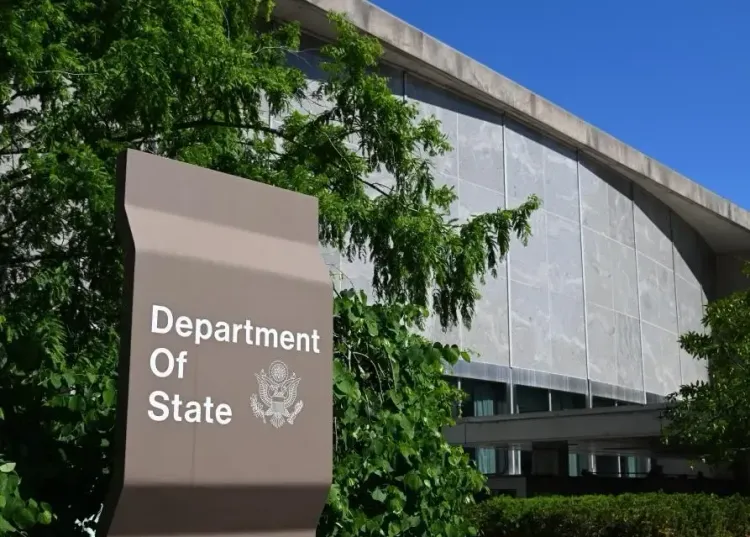
The US State Department on 14 October 2026 sharply criticised Lebanon's handling of a complaint against Ambassador Nada Hamadeh Moawad .
The complaint, filed by a pro- Hizbollah lawyer, was forwarded to Lebanon's military court system — a step Washington called 'embarrassing.' Lebanese broadcaster MTV clarified the referral was a routine procedural step, not a formal prosecution or investigation order.
Washington called on Lebanon's military judiciary to redirect its resources toward prosecuting Hizbollah operatives rather than diplomats.
The State Department demanded repeal of laws enabling 'politicised targeting of civilians and diplomats' while shielding Hizbollah.
The dispute threatens to complicate ongoing US-brokered Lebanon-Israel negotiations over southern Lebanon, security arrangements, and Hizbollah's armed presence.
The United States has sharply criticised Lebanon's handling of a legal complaint targeting Lebanese Ambassador to Washington Nada Hamadeh Moawad, accusing elements of the country's judicial system of pursuing a diplomat engaged in US-led negotiations while leaving Hizbollah operatives unaccountable. The State Department's rebuke, issued on 14 October 2026, marks one of Washington's most pointed interventions in Lebanon's domestic judicial affairs in recent memory.
The Complaint and the Court
A State Department spokesperson confirmed awareness of the complaint, which was reportedly filed by a pro-Hizbollah lawyer against Ambassador Moawad for actions taken in her official capacity. The complaint was referred to Lebanon's military court system, a development Washington described as deeply inappropriate.
'It is embarrassing that a military court is handling a complaint against the Lebanese Ambassador in Washington for carrying out the policy of their legitimate government and engaging in US-led negotiations,' the spokesperson stated.
Lebanese broadcaster MTV reported on Tuesday that claims of a formal prosecution referral were inaccurate. Citing sources, MTV clarified that Lebanon's public prosecutor at the Court of Cassation had merely forwarded the complaint to the government commissioner attached to the military court — a routine procedural step that does not constitute an investigation or prosecution order.
Washington's Core Objection
The State Department's concern centres on what it characterised as a pattern of selective legal targeting: using Lebanon's judicial machinery against officials cooperating with US diplomacy, while Hizbollah operatives allegedly face no equivalent scrutiny.
'The Lebanese military judiciary should use its limited resources to prosecute Hizballah operatives plotting against the Lebanese government and people instead of those working on their behalf,' the spokesperson said.
The statement went further, calling for legislative reform to eliminate what Washington described as politically motivated legal tools. 'Laws and practices that enable this kind of politicised targeting of civilians and diplomats, while systematically shielding Hizballah operatives, must be repealed. We have no patience for obstruction,' the spokesperson added.
Context: US-Lebanon Negotiations
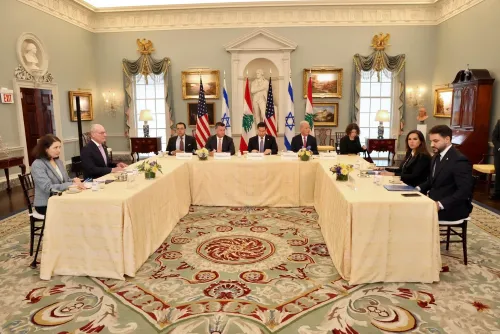
Ambassador Moawad has been a key participant in the ongoing US-brokered diplomatic process between Lebanon and Israel. Those talks have been complicated by several unresolved issues, including the positioning of Israeli military forces in southern Lebanon, the authority and role of Lebanese security institutions, and the future of Hizbollah's armed wing.
This comes amid a broader and fragile post-conflict diplomatic environment in the region, where Washington has been pressing for a durable framework that sidelines Hizbollah's military influence and strengthens the Lebanese state.
What Happens Next
The State Department's unusually direct language signals that Washington views any judicial action against Ambassador Moawad as an obstruction of the peace process it is shepherding. Analysts note the statement could increase pressure on the Lebanese government to formally distance itself from the military court proceedings. Whether Beirut acts swiftly will be a test of the government's autonomy from Hizbollah-aligned institutions.
Point of View
' 'no patience for obstruction' — is a signal, not just a statement. The US is effectively warning Beirut that judicial harassment of its own ambassador could derail a diplomatic process that the Lebanese government itself has staked credibility on. The deeper problem is structural: Lebanon's military judiciary has long operated in a grey zone where Hizbollah-aligned interests can activate legal mechanisms against state actors at will. The State Department's call for legislative reform is legitimate, but without domestic political will in Beirut to confront Hizbollah's institutional reach, the words are likely to remain words. The real test is whether the Lebanese government formally intervenes to halt the proceedings — and whether it can.
NationPress
14 Oct 2026
Frequently Asked Questions
Why did the US criticise Lebanon over the ambassador complaint?
The US criticised Lebanon because a complaint filed by a pro-Hizbollah lawyer against Lebanese Ambassador Nada Hamadeh Moawad was referred to Lebanon's military court. Washington argued it was inappropriate to subject a diplomat engaged in US-led negotiations to such proceedings, especially while Hizbollah operatives face no equivalent legal action.
Who is Nada Hamadeh Moawad?
Nada Hamadeh Moawad is Lebanon's Ambassador to Washington and a participant in the ongoing US-brokered diplomatic process between Lebanon and Israel. She has been involved in negotiations covering southern Lebanon troop positions, Lebanese security authority, and Hizbollah's armed presence.
Was Ambassador Moawad actually prosecuted by Lebanon's military court?
No. Lebanese broadcaster MTV reported that claims of a formal prosecution referral were inaccurate. The public prosecutor at the Court of Cassation forwarded the complaint to the government commissioner attached to the military court, which MTV described as a routine procedural step — not a prosecution or investigation order.
What did the US State Department demand from Lebanon?
The State Department demanded that Lebanon's military judiciary focus on prosecuting Hizbollah operatives rather than diplomats. It also called for the repeal of laws and practices that enable politically motivated legal action against civilians and diplomats while shielding Hizbollah.
How does this affect the Lebanon-Israel negotiations?
The dispute threatens to complicate the US-brokered peace process, which covers Israeli military positions in southern Lebanon, Lebanese security arrangements, and Hizbollah's armed future. Washington's warning of 'no patience for obstruction' indicates it views judicial moves against Moawad as a direct threat to the diplomatic track.