US Justice Dept sues Arizona, New Mexico, Oregon, Washington over undocumented student tuition
Synopsis
The Trump administration's legal war on state tuition benefits for undocumented students has now reached 21 states. The latest lawsuits against Arizona, New Mexico, Oregon, and Washington escalate a campaign that has already secured permanent injunctions in five states — and signal the administration will not stop until the policy is dismantled nationwide.
Key Takeaways
The US Justice Department sued Arizona , New Mexico , Oregon , and Washington on 28 August 2025 over in-state tuition and financial aid for undocumented students.
The suits bring the total number of states sued over such tuition policies to 21 .
In Arizona alone, at least 720 undocumented students received in-state tuition in autumn 2025 , including 432 at Arizona State University .
The alleged tuition benefit at Arizona State University amounts to roughly $10.5 million per year, based on a $24,000 resident-versus-non-resident gap.
Five earlier cases — against Texas , Kentucky , Oklahoma , Nebraska , and Illinois — have already resulted in permanent court orders blocking comparable policies.
Cases against 12 other states , including California, New York, and Virginia, remain pending.
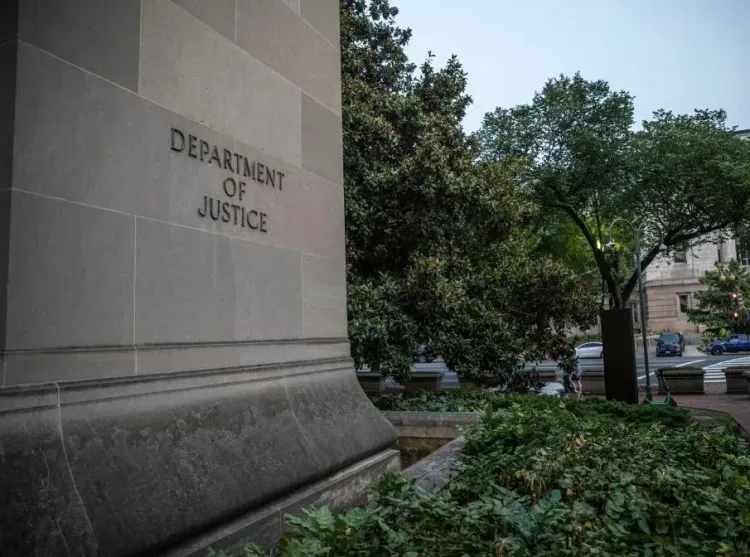
The US Justice Department on 28 August 2025 filed lawsuits against Arizona, New Mexico, Oregon, and Washington, challenging state laws that extend in-state tuition rates and financial assistance to undocumented students. The department alleges the policies unlawfully grant benefits to undocumented immigrants that are unavailable to US citizens residing outside those states — a direct conflict, it argues, with federal immigration law.
What the Lawsuits Allege
The complaints seek court orders blocking all four states from enforcing laws and regulations that require public colleges and universities to offer reduced tuition to students who meet state residency criteria, regardless of immigration status. The suits also challenge state provisions granting scholarships and other financial aid to undocumented students.
The Justice Department contends the policies conflict with a 1996 federal immigration law that generally bars states from providing a post-secondary education benefit to an undocumented immigrant based on state residence, unless the same benefit is available to US citizens irrespective of where they live. The department argues the states have unconstitutionally discriminated against out-of-state US citizens.
What Officials Said
Associate Attorney General Stanley E. Woodward Jr said, 'Over 30 years ago, Congress made clear that States cannot put illegal aliens before our Nation's own citizens.' He added: 'By granting illegal aliens in-state tuition, Washington, Oregon, New Mexico, and Arizona are pushing citizens to the side and ignoring federal law.'
Woodward confirmed the new cases brought the total number of states sued by the department over tuition policies for undocumented students to 21. Assistant Attorney General Brett Shumate of the Civil Division stated plainly: 'Colleges cannot provide benefits to illegal aliens that they do not provide to U.S. citizens.'
The Arizona Numbers
The Arizona complaint cited a report estimating that more than 3,600 undocumented students could qualify for in-state tuition annually under the state's law. Data from Arizona public universities and colleges showed at least 720 undocumented students received in-state tuition during the autumn 2025 semester, including 432 at Arizona State University.
The Justice Department alleged the gap between resident and non-resident tuition at the university stood at approximately $24,000, and that undocumented students received roughly $10.5 million in reduced tuition at that institution over the year. The department noted these figures are allegations that have not yet been tested in court.
Broader Legal Landscape
This is not the first wave of such litigation. The department said five earlier lawsuits — against Texas, Kentucky, Oklahoma, Nebraska, and Illinois — had already resulted in court orders permanently blocking comparable policies. Cases against Minnesota, Virginia, California, New Jersey, Kansas, Massachusetts, Rhode Island, Maryland, Colorado, New York, Connecticut, and Vermont remain pending.
Supporters of state tuition laws argue the policies expand educational access for students who attended and graduated from in-state secondary schools, while opponents contend they disadvantage out-of-state US citizens and conflict with federal statute. Responses from the four newly sued states were not included in the department's announcement. The Justice Department is asking courts to declare the challenged provisions unconstitutional and prohibit their continued enforcement.
The lawsuits form part of the Trump administration's broader campaign to restrict state and local benefits for individuals without legal immigration status — a push that now spans more than two dozen states.
Point of View
The Justice Department is not litigating blind — it is building a body of rulings it can cite in every subsequent filing. The real question is whether the courts in the four newly sued states will follow the earlier injunctions or carve out distinctions based on how those states have structured their residency criteria. States like Oregon and Washington have framed their policies around school attendance rather than immigration status — a nuance that prior rulings have not uniformly resolved. The outcome here will also test how far the 1996 federal statute reaches, a question that has divided legal scholars for decades.
NationPress
28 Aug 2026
Frequently Asked Questions
Why did the US Justice Department sue Arizona, New Mexico, Oregon, and Washington?
The Justice Department alleges that the four states' laws granting in-state tuition and financial aid to undocumented students violate a 1996 federal immigration statute and unconstitutionally disadvantage out-of-state US citizens. The suits, filed on 28 August 2025, seek court orders blocking enforcement of those state provisions.
How many states has the Justice Department sued over undocumented student tuition policies?
The four new lawsuits bring the total to 21 states sued by the department over tuition policies for undocumented students. Five earlier cases — against Texas, Kentucky, Oklahoma, Nebraska, and Illinois — have already produced permanent court orders blocking comparable policies, while cases against 12 other states remain pending.
What does the 1996 federal immigration law say about state tuition benefits?
The law generally bars states from providing a post-secondary education benefit to an undocumented immigrant based on state residence unless the same benefit is available to US citizens regardless of where they live. Legal disputes have centred on whether specific state policies are based on residence or on separate criteria such as in-state secondary school attendance.
How much in tuition benefits did undocumented students allegedly receive in Arizona?
According to the Justice Department's complaint, at least 720 undocumented students received in-state tuition in Arizona during the autumn 2025 semester, including 432 at Arizona State University. The department alleged those students received approximately $10.5 million in reduced tuition at that university over the year, based on a $24,000 gap between resident and non-resident rates. These figures are allegations and have not been tested in court.
What arguments do supporters of state tuition laws make?
Supporters argue the policies expand educational access for students who attended and graduated from in-state secondary schools, regardless of immigration status. They contend these criteria are based on educational ties to the state rather than immigration status, and therefore do not conflict with federal law.