US Treasury to intensify terror finance crackdown on charities, nonprofits
Synopsis
The Trump administration is turning up the heat on terrorist financing by going after an unlikely front: charities and nonprofits. Treasury Secretary Scott Bessent's announcement — backed by 17 Hamas-linked sanctions and four new foreign terrorist organisation designations — signals that Washington now views civil-society financial structures as a primary battleground in counter-terrorism.
Key Takeaways
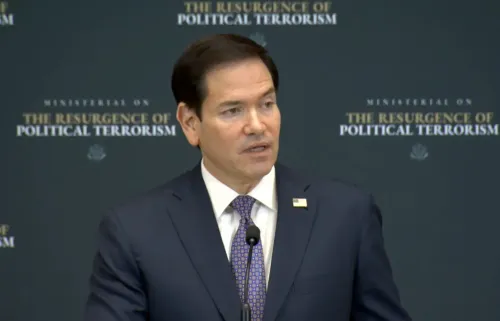
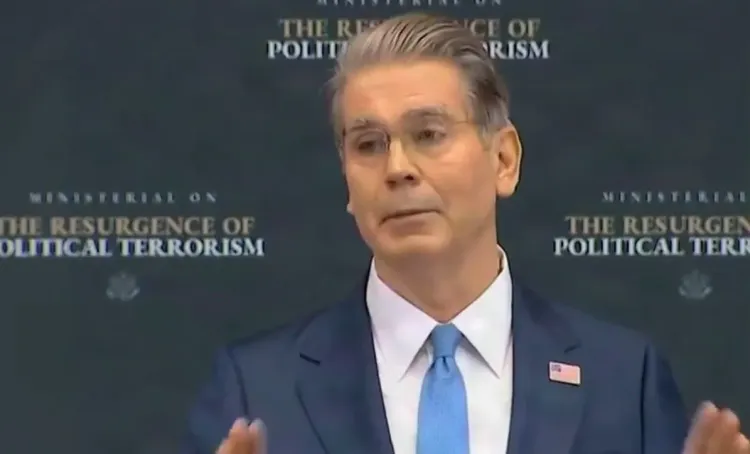
Treasury Secretary Scott Bessent announced an expanded US terror finance crackdown on 16 July at the State Department's Ministerial on the Resurgence of Political Terrorism .
The Office of Terrorism and Financial Intelligence — created after 9/11 — is being retooled to address evolving forms of organised political terrorism.
The Trump administration has designated four far-left extremist organisations abroad as foreign terrorist organisations.
The Treasury has sanctioned 17 organisations described as sham charities accused of financing Hamas .
Enforcement will target unlawful conduct, not beliefs — Bessent explicitly cited constitutional protections for speech, association, and assembly.
Both India and the US are FATF members, giving the move international counter-terrorism financing relevance.
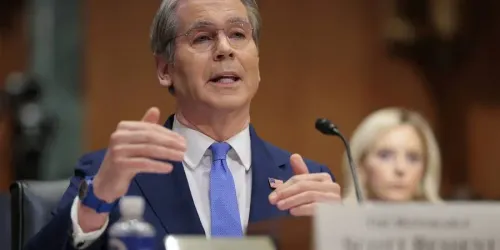
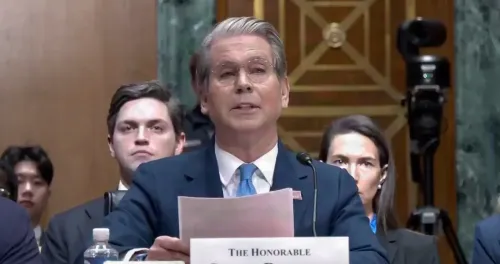
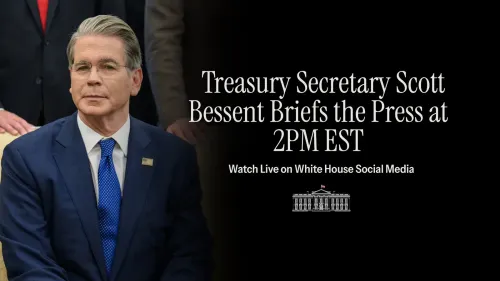
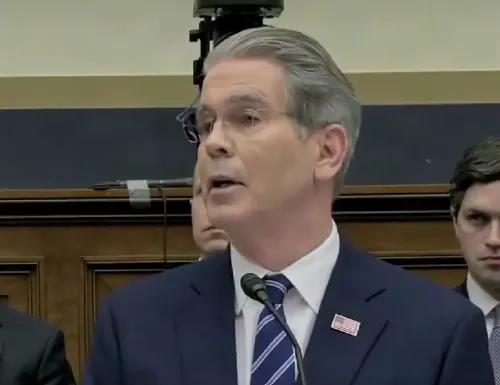
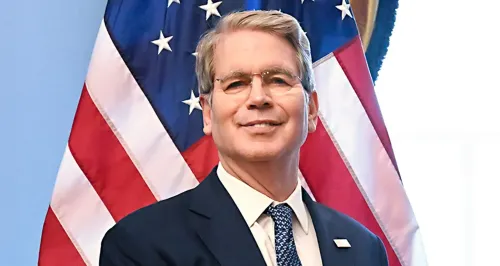
Treasury Secretary Scott Bessent on Wednesday, 16 July announced that the United States would sharply expand its campaign to disrupt terrorist financing, placing charities, non-profit organisations, and cross-border financial networks under heightened scrutiny. Speaking at the State Department's Ministerial on the Resurgence of Political Terrorism in Washington, Bessent said terrorist groups were increasingly exploiting legitimate financial structures to conceal funding and sustain operations globally.
What the Treasury Is Doing
Bessent said the Treasury Department was broadening the mandate of its Office of Terrorism and Financial Intelligence — originally established in the aftermath of the September 11, 2001 attacks — to address what he described as evolving forms of organised political terrorism. 'As the threat of terrorism evolves, the institutional tools that defend against it must adapt,' he said.
The Treasury will examine whether tax-exempt organisations have been used to facilitate illicit financial flows. 'We are examining where tax-exempt status has been exploited, where charitable entities have become financial conduits for foreign influence activity, and how those entrusted with stewardship of these organisations have instead enabled violence,' Bessent stated. 'Where the evidence leads, we will not hesitate to follow.'
Designations and Sanctions Already Underway
The Trump administration has already designated four far-left extremist organisations abroad as foreign terrorist organisations. Separately, the Treasury has sanctioned 17 organisations it described as sham charities accused of financing Hamas activities. Bessent underscored that financial institutions share responsibility: 'Just as financial institutions must know their clients, they must know their grantees.'
Civil Liberties Guardrails
Bessent was careful to draw a distinction between targeting unlawful conduct and restricting constitutionally protected activity. 'In the fight against domestic terrorism, we must respect the constitutional rights, freedom of speech, association and assembly of all Americans,' he said. 'Treasury will act based on suspected unlawful conduct by these terror organisations, not because of their beliefs or ideologies.'
International Context and India Connection
The announcement carries significance for the broader global counter-terrorism financing architecture. The Financial Action Task Force (FATF) — of which both India and the United States are members — has made combating terrorist financing a central priority. Washington has historically deployed sanctions, asset freezes, and financial intelligence tools against entities accused of supporting terrorism, and the latest move signals a push for tighter international coordination to prevent misuse of global financial systems. This comes amid a broader reassessment by the Trump administration of how political violence is financed through ostensibly legitimate civil-society structures.
Point of View
The administration is expanding the definition of the financial battlefield in ways that will face legal and civil-liberties scrutiny. The civil-liberties carve-out Bessent offered — acting on 'unlawful conduct, not beliefs' — is the right framing, but the line between the two is precisely where legal challenges will land. The FATF dimension is worth watching closely for India: as a member navigating its own grey-list history, tighter US enforcement norms could raise the compliance bar for Indian organisations with international fundraising exposure.
NationPress
17 Jul 2026
Frequently Asked Questions
What did the US Treasury announce on 16 July regarding terrorism financing?
Treasury Secretary Scott Bessent announced an expanded effort to disrupt terrorist financing, specifically targeting charities, non-profit organisations, and international financial networks used to move illicit funds. The Treasury's Office of Terrorism and Financial Intelligence is being broadened to address evolving forms of organised political terrorism.
Which organisations have been sanctioned or designated under this crackdown?
The Trump administration has designated four far-left extremist organisations abroad as foreign terrorist organisations, while the Treasury has sanctioned 17 organisations described as sham charities accused of financing Hamas activities.
Does the crackdown affect free speech or civil liberties?
Bessent explicitly stated that enforcement will be based on suspected unlawful conduct, not beliefs or ideology. He said the Treasury will respect constitutional rights including freedom of speech, association, and assembly of all Americans.
What is the role of FATF in this announcement?
The Financial Action Task Force (FATF), of which both India and the United States are members, has made combating terrorist financing a central priority. The US move aligns with and reinforces FATF's broader push for international coordination against misuse of global financial systems.
Why are charities and nonprofits being scrutinised?
According to Bessent, terrorist networks increasingly exploit charitable and non-profit structures to conceal the movement of illicit funds across borders. The Treasury will examine whether tax-exempt organisations have been used as financial conduits for foreign influence activity or to support political terrorism.